Belarus Orders Unproductive Agricultural Workers into Military Service Amid Harvest Challenges
Lukashenko's directive to conscript underperforming farm laborers reflects escalating labor discipline measures with potential ripple effects on US agricultural supply chains.
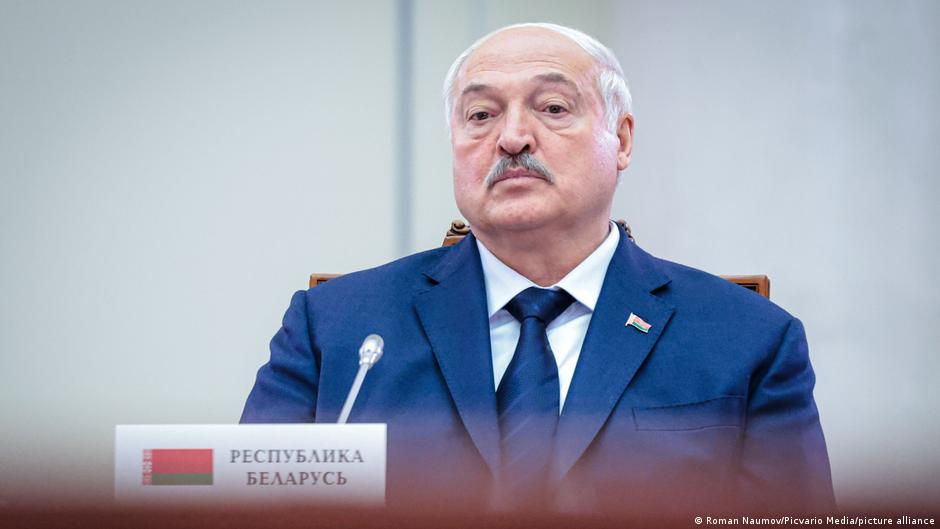
Belarusian President Alexander Lukashenko has mandated that agricultural workers who fail to meet productivity standards during the critical harvest season be sent to undertake military service, a move he asserts is aimed at instilling discipline rather than punitive measures.
Implications of Forced Military Service for Agrarian Labor
On July 30, during a working visit to the Brest region, Lukashenko clarified that the order to redirect "undisciplined" agricultural laborers to so-called military-educational duties was not intended as a form of human mistreatment or intimidation. "If you don't want to work in this job, we will test you in another — proper, masculine and feminine work, in the army," he said.
The President emphasized that the measure offers workers an opportunity to "prove themselves in another job — a tough, masculine job." Lukashenko expressed confidence that Belarus could achieve significant progress if labor and technological discipline were firmly established at all levels.
Earlier, on July 21, Lukashenko instructed that all workers unable to perform adequately be sent to the military and southern borders, including forests where special operation forces are deployed along the Ukrainian border. His administration's chief, Dmitry Krutoy, detailed that these military conscriptions would last two to three months, representing the "strictest mobilization regime" for the harvest.
Krutoy explained that the Ministry of Defense would receive "negligent, misbehaving, drunkards, loafers, and idlers" from the agricultural workforce. Conditions for these conscripted workers will be "Spartan," designed to allow so-called "parasites" a chance to improve their physical fitness and rectify their errors through useful labor benefiting the army and the country.
"The army offers an opportunity to correct mistakes through disciplined, meaningful work — it is not about mistreatment but about fostering responsibility," Lukashenko stated.
This policy reflects a rigorous approach to labor discipline in a sector that is vital to Belarus's economy but faces operational challenges due to workforce inefficiencies. For US businesses, especially those linked to agricultural supply chains, these developments may signal potential disruptions or shifts in Belarusian agricultural output and export patterns, potentially impacting global commodity markets.
Given Belarus’s strategic position and its role in regional trade dynamics, Washington will likely monitor these labor policies closely, assessing their broader implications on stability and supply continuity in Eastern Europe. Moreover, the militarization of labor raises concerns about the sustainability of agricultural productivity and the social conditions of the workforce, factors that could influence bilateral economic engagements and trade relations.