Belgorod Reservoir Dries Up After Ukrainian Strikes, Raising Concerns for Regional Stability
Ukrainian attacks on Belgorod dam led to significant water release, impacting local infrastructure and raising implications for US businesses with interests in the region.
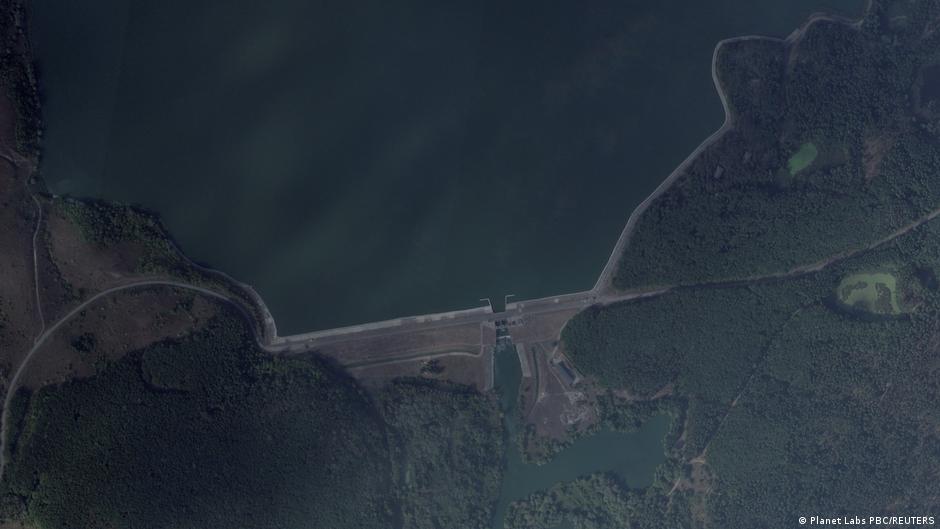
In July 2026, Ukrainian forces carried out multiple strikes on the dam of the Belgorod Reservoir, situated near the Russia-Ukraine border. These attacks caused an uncontrolled release of water from the reservoir, leading to a drastic reduction in its water levels. Eyewitness reports indicate that water depth now ranges between just 10 to 40 centimeters, a significant drop from typical reservoir levels.
Impact of Ukrainian Military Actions on the Belgorod Reservoir
The Belgorod Reservoir, located in Russia's Belgorod region, experienced substantial damage following targeted attacks by Ukrainian missiles and drones. The strikes, which occurred near the villages of Bezlyudovka and Grafovka in the Shebekinsky district, prompted emergency water release from the dam to mitigate further damage.
"The uncontrolled release of water brought the reservoir down to the historic riverbed level of the Seversky Donets River," said regional urbanist Vladimir Titov, highlighting the severity of the situation.
Local authorities eventually managed to halt the uncontrolled water discharge, but not before water levels significantly receded, verified by photographic and video evidence shared on regional social media channels.
Broader Implications for US Interests and Regional Stability
These attacks contribute to escalating tensions along the Russia-Ukraine border, an area where American businesses and diplomatic interests have growing stakes. The region is critical for various sectors, including energy and agriculture, where disruptions can ripple through global supply chains.
For US companies operating in or sourcing from Eastern Europe, infrastructure damage and environmental instability pose operational risks and potential financial losses. Furthermore, the incident underscores the increasing volatility of the conflict, which could provoke further retaliatory actions and complicate diplomatic efforts by Washington to manage the crisis.
Damage to critical infrastructure such as dams also raises concerns about environmental and humanitarian impacts, potentially prompting increased US involvement in regional crisis mitigation and aid.
Previous Strikes and Ongoing Conflict Dynamics
This latest incident follows earlier assaults on the Belgorod Reservoir, including October 2025 attacks that damaged hydraulic structures and forced water releases. The repeated targeting of such facilities signals a strategic shift towards infrastructure disruption in the ongoing conflict.
For policymakers and investors in the US, monitoring these developments is essential to assess risks and formulate responses that protect American interests and promote regional stability.