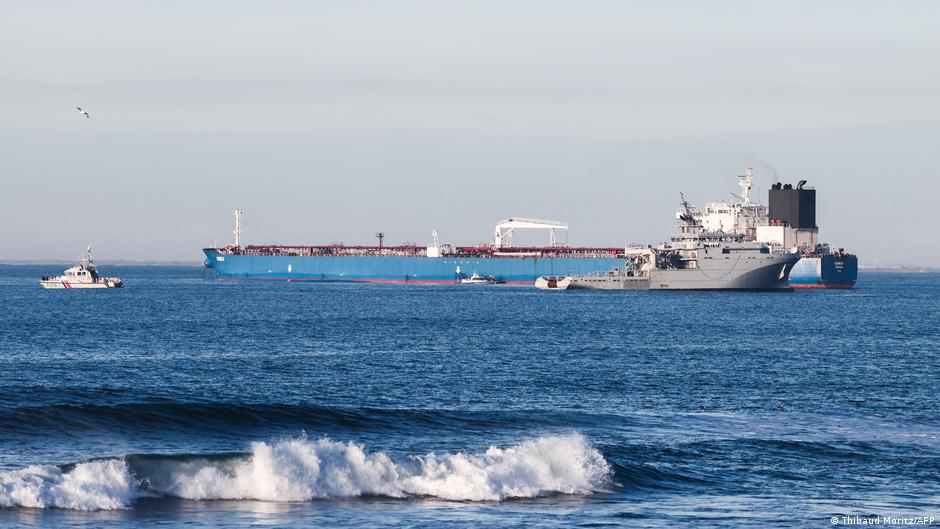
Bipartisan House Bill Would Bar Russian Oil Purchases After Trump Diesel Deal
The proposed Ronald Reagan Peace Through Strength Act would use a rare House procedure to force a vote on Russian oil imports.
A bipartisan bill expected in the U.S. House of Representatives would seek to ban all purchases of Russian oil, setting up a direct challenge to President Donald Trump’s newly announced understanding with Russian President Vladimir Putin on diesel fuel supplies.
Rep. Brian Fitzpatrick, a Pennsylvania Republican, said Saturday, October 10, on X that lawmakers will bring forward legislation “aimed at banning any purchases of Russian oil.” According to Fitzpatrick, the measure will be called the Ronald Reagan Peace Through Strength Act, a title intended to frame the proposal in Cold War-era Republican foreign policy language at a moment when energy policy, Russia sanctions and presidential authority are again colliding in Washington.
The move carries immediate implications for U.S. businesses exposed to fuel markets, sanctions compliance, logistics costs and federal procurement rules. If advanced, the bill would sharpen the line between lawmakers who favor tightening restrictions on Russian energy and an administration that has described talks with Moscow over diesel supplies as “very successful.”
A House Fight Over Russian Energy
Fitzpatrick said the proposal would be brought to the House floor through a discharge petition, a parliamentary procedure that allows rank-and-file lawmakers to force consideration of a bill even when a committee or the speaker is blocking it. To succeed, the effort would need at least 218 signatures, an absolute majority of House members.
Fitzpatrick predicted the bill would pass by an overwhelming margin. That claim has not yet been tested on the floor, but the procedural choice is significant. A discharge petition is often used when sponsors believe there is broad support among members but resistance from leadership or committee gatekeepers. For companies following Washington risk, the signal is that the issue may not remain confined to foreign policy committees or symbolic messaging.
Fitzpatrick said the bill would be “aimed at banning any purchases of Russian oil” and argued that it would pass by an overwhelming majority.
Rep. Don Bacon, a Nebraska Republican, has already said he would support the measure. Bacon also criticized Trump’s decision to buy diesel fuel from Russia, placing him among Republicans willing to challenge the president on the energy arrangement. That intra-party split could matter for the bill’s prospects, particularly if more Republicans decide that Russian energy purchases are politically difficult to defend despite potential fuel-market arguments.
Trump’s Diesel Understanding With Putin
The legislative push follows Trump’s statement on October 9 that he had held “very successful” talks with Putin. According to Trump, the discussions produced an agreement for Russian diesel supplies to the United States and the global market.
Putin officially confirmed the phone call with Trump and the understandings reached. In a statement from the Russian president, Moscow said the Russian side had confirmed its readiness, during discussion of global energy conditions, to supply oil and petroleum products to the American and world markets. Putin said he was confident this would have a positive effect on the entire global economy.
For the White House, the argument implied by the announcement is economic: Russian diesel could add supply to global fuel markets and potentially ease pressure on consumers and industries dependent on transportation fuels. For critics in Congress, the counterargument is strategic and sanctions-focused: purchases of Russian oil or petroleum products could undercut U.S. pressure on Moscow and create a political liability for American companies involved in the trade.
The emerging dispute therefore places energy buyers, refiners, shippers, insurers and commodity traders in a familiar but high-stakes position. Businesses may see commercial opportunity in additional diesel supply, but any congressional move toward a statutory ban would increase uncertainty around contracts, compliance reviews and exposure to future enforcement. Even before a bill becomes law, the possibility of a forced House vote can affect corporate decision-making, especially for firms with federal contracts or public-facing sanctions policies.
Business Stakes in Washington
From a U.S. business perspective, the bottom-line question is whether Washington is moving toward a clearer prohibition or a contested policy environment in which presidential diplomacy and congressional sanctions priorities point in opposite directions. A firm considering Russian-linked diesel purchases would have to weigh not only current legality but also reputational risk and the chance that Congress could quickly change the rules.
The proposed bill’s branding also matters. By invoking Ronald Reagan and “peace through strength,” Fitzpatrick is attempting to make the measure legible to Republicans as a national-security stance rather than simply an anti-Trump rebuke. That could broaden support among lawmakers who want to maintain a hard line on Russia while also responding to concerns over fuel prices and global energy stability.
For Democrats, a vote to prohibit Russian oil purchases would likely offer a way to criticize Trump’s engagement with Putin while reinforcing support for sanctions pressure. For Republicans, the vote could test whether party loyalty to Trump outweighs long-standing hawkish positions on Moscow. For U.S. businesses, the legislative fight is less about rhetoric than regulatory clarity: whether Russian diesel can be treated as a market input or as a sanctioned political risk.
The next threshold is procedural. If supporters gather the required 218 signatures for the discharge petition, the bill could reach the full House even without backing from the speaker or a relevant committee. That would force members to take a recorded position on Russian oil purchases at a time when the administration is presenting energy talks with Moscow as economically beneficial.
Until then, the policy remains unsettled. Trump has announced an understanding with Putin on diesel supplies. Putin has confirmed Russia’s willingness to sell oil and petroleum products to the U.S. and global markets. Fitzpatrick and Bacon are signaling that Congress may try to block such purchases outright. For American companies, the message is already clear enough: Russian energy exposure is once again becoming a Washington risk that could move quickly from politics into law.