CIA Director Reveals Russian Soldier Lifespan on Ukraine Battlefield is Just 20–30 Minutes
Advanced AI-powered drones have drastically increased Russian troop casualties, reshaping the conflict dynamics with significant implications for US defense interests.
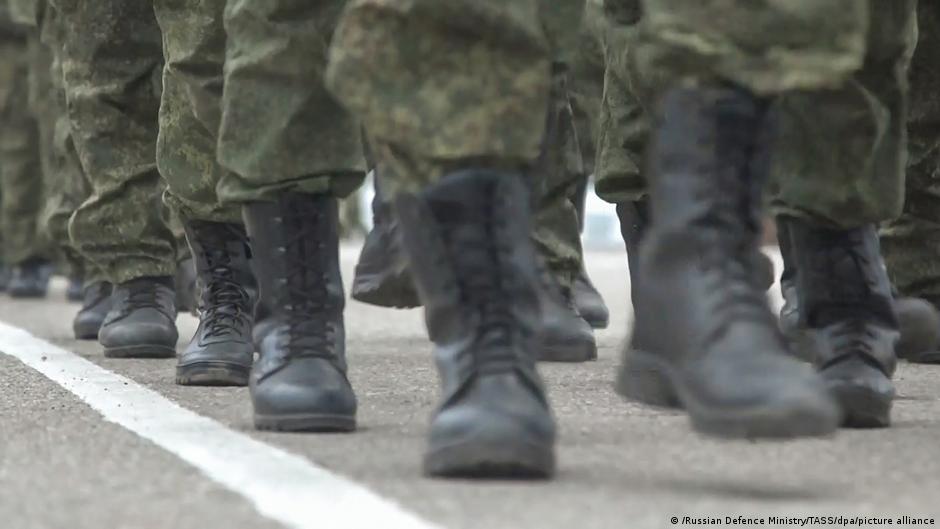
At a recent Defense and Innovation Summit in Pennsylvania, CIA Director John Ratcliffe disclosed startling intelligence about the grim realities facing Russian soldiers fighting in Ukraine. According to Ratcliffe, the average lifespan of a newly deployed Russian conscript on the battlefield is only 20 to 30 minutes. This stark figure highlights the lethal effectiveness of modern warfare technologies, especially the role of low-cost, artificial intelligence-driven drones.
AI-Enabled Drones Transforming the Battlefield
Ratcliffe emphasized that the integration of AI into unmanned aerial vehicles (UAVs) has created a "specialized and inexpensive killing machine," dramatically increasing Russian troop vulnerability. These technologies have enabled Ukrainian forces to more effectively counter the numerically superior Russian military, leveling the playing field in what was once seen as a conventional conflict.
"The adoption of new technologies by Ukraine has become a powerful equalizer, significantly slowing down Russia's advance," Ratcliffe noted.
These developments are corroborated by independent analyses from Washington-based think tanks such as the Center for Strategic and International Studies (CSIS). According to CSIS data, Russian military casualties in the conflict have surged, with losses outpacing those of Ukrainian forces by as much as eight to one in 2026. This represents an alarming escalation compared to earlier phases of the war, where casualty ratios hovered between two-to-one and three-to-one.
Researchers estimate that more than 90% of Russian losses are attributable to drone strikes rather than direct engagements. Since the full-scale invasion began in February 2022, approximately two million soldiers have been killed, wounded, or gone missing, with Russian forces accounting for roughly 1.4 million of those casualties.
Implications for US Business and Security
This intelligence underscores the increasing importance and efficacy of AI-driven military technology, which carries significant implications for American defense policy, industry, and economic interests. The rapid evolution and deployment of such advanced systems not only affect the geopolitical balance but also stimulate demand for cutting-edge defense technologies developed and produced by US companies.
American defense contractors specializing in autonomous systems, AI integration, and drone technology stand to see growing opportunities as the nature of warfare shifts toward technologically sophisticated engagements. Moreover, understanding these dynamics is critical for Washington as it continues to calibrate its support for Ukraine, balancing strategic objectives with the economic realities of sustained military aid.
As the conflict demonstrates, investment in next-generation weapons systems is increasingly pivotal to national security, pushing the US government and private sector toward accelerated innovation and production. The battlefield performance of AI-enabled drones in Ukraine serves as a case study for future military procurement and development strategies.
In summary, the reported 20–30 minute survival window for Russian soldiers highlights both the human cost of the conflict and the transformative power of AI in modern warfare — factors that will shape American defense policy and business priorities moving forward.