Colombia Declares Emergency After Devastating 7.4 Magnitude Earthquake, US Pledges $15.5M Aid
Colombian President Abelardo de la Espriella declares nationwide emergency following deadly earthquake; US commits significant humanitarian assistance amid political transition.
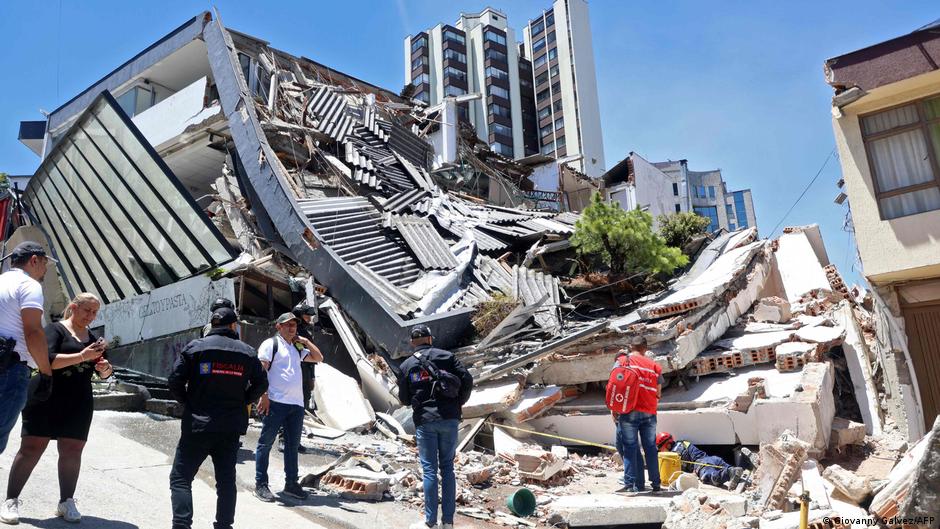
Colombia is grappling with a national crisis after a powerful 7.4 magnitude earthquake struck on August 10, prompting President Abelardo de la Espriella to declare a state of emergency across the country. The disaster has claimed at least 132 lives and injured over 570, with extensive damage reported to homes, hospitals, and schools.
Humanitarian Impact and US Response
The earthquake's epicenter was located near the city of San José del Palmar in western Colombia, at a depth of approximately 103 kilometers, according to the Colombian Geological Service. The strong tremor and its numerous aftershocks have caused significant destruction, including serious damage to over 1,500 residential buildings across key cities such as Pereira, Cali, and Manizales. About 60 buildings have collapsed entirely, while 18 hospitals and 52 schools suffered substantial harm. Authorities fear that the death toll could rise further as rescue efforts continue.
In the wake of the disaster, the United States Department of State promptly announced a $15.5 million emergency aid package to support Colombia’s relief efforts. This move underscores the strategic partnership between Washington and Bogotá, particularly under the new Colombian administration.
“We stand united in prayer with the Colombian people and are ready to support President Abelardo de la Espriella,” stated the US State Department, emphasizing the strong bilateral ties.
Political Context and Economic Implications for US Businesses
President de la Espriella, who took office just days before the earthquake, won a runoff election in June by defeating leftist candidate Iván Cepeda. He succeeded Gustavo Petro, Colombia’s previous leftist president, signaling a shift toward a more conservative, security-focused governance model. De la Espriella has pledged to combat armed groups involved in narcotics trafficking through military measures, including plans to build large prisons modeled after those in El Salvador.
This political transition is significant for Washington as it anticipates enhanced bilateral cooperation on regional security, illegal immigration control, and economic ties. US Secretary of State Marco Rubio highlighted these priorities shortly after de la Espriella's election, emphasizing collaboration to curb illegal migration to the United States and strengthen economic integration.
For American companies, the earthquake and ensuing emergency raise immediate concerns about supply chain disruptions and infrastructure damage, especially in regions important for trade and investment. The Colombian government's focus on deregulation and security could facilitate a more business-friendly environment post-crisis, but the reconstruction phase may also present challenges related to logistical delays and increased operational costs.
Furthermore, increased US aid and close diplomatic relations are likely to accelerate recovery efforts, potentially opening new opportunities for US firms specializing in infrastructure rebuilding, humanitarian services, and security technologies.
As Colombia navigates this dual challenge of natural disaster and political transition, Washington’s engagement will be crucial in shaping both the immediate humanitarian response and the longer-term economic landscape affecting US interests.