Drone Attack on Belgorod Causes Civilian Injuries and Property Damage Near US-Linked Businesses
Ukrainian drone strikes on the Russian border city of Belgorod result in 13 injuries and damage to residential and strategic sites, raising concerns for US companies operating in Russia.
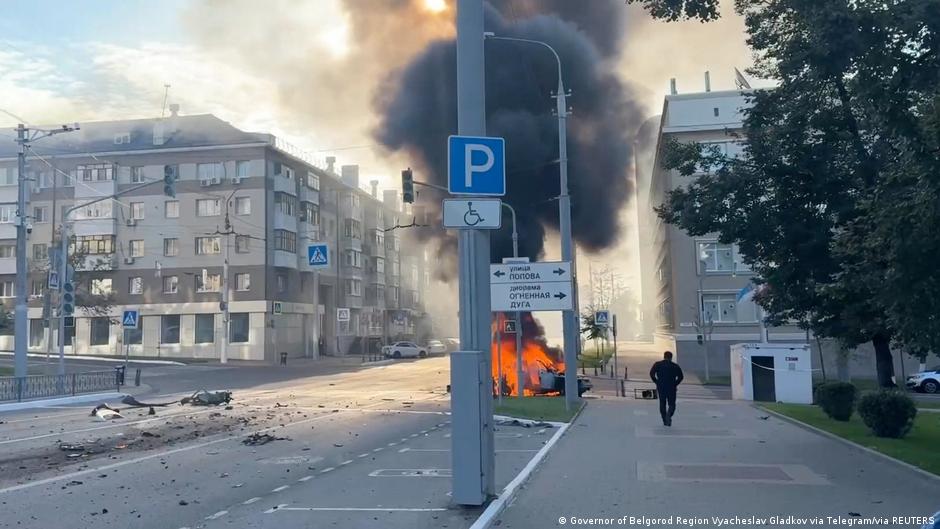
In the early hours of August 9, the Russian border city of Belgorod, adjacent to Ukraine, experienced a significant drone attack that resulted in a series of explosions and caused injuries to 13 people, including two children. The attack has also inflicted damage on multiple residential buildings and key infrastructure, highlighting potential risks for American companies with interests in the region.
Implications for US Businesses and Regional Stability
Belgorod is a strategic city near the Ukrainian border, and the recent attack has drawn attention not only for the humanitarian impact but also for its potential consequences on business operations. Preliminary reports indicate that more than four multi-story apartment buildings, an administrative building, and several social and commercial facilities were damaged. These disruptions underscore the growing instability in areas where many multinational corporations, including those from the United States, have operational ties.
Open-source intelligence (OSINT) analysis has identified that among the targets were a local Combined Heat and Power Plant (CHP) and a branch of the Russian Federal Security Service (FSB). The CHP, located approximately 600 meters from one of the damaged residential buildings, plays a vital role in the region's energy supply. Damage to such infrastructure could lead to wider operational disruptions affecting energy-intensive businesses, including American firms reliant on stable power sources to maintain production and service delivery.
"The attack on Belgorod highlights the increasing vulnerability of border cities to drone warfare, raising concerns about the security of critical infrastructure near US business interests," said an industry analyst monitoring geopolitical risks.
While the Ukrainian General Staff and the Russian Ministry of Defense have not issued any statements regarding the attack, local authorities confirmed the casualties and damage. The acting governor of the Belgorod region, Alexander Shuvaev, reported the casualties through social media at around 2:00 a.m. Moscow time. Residents witnessed dozens of strike drones over the city, with local Telegram channels sharing images and videos of the fires, explosions, and smoke plumes rising above the affected areas.
The incident raises broader questions about the security environment for American companies operating in Russia, particularly those with assets or personnel near conflict zones. Given the increasing use of unmanned aerial vehicles (UAVs) or drones in modern warfare, businesses face heightened risks of collateral damage and operational interruptions.
For US policymakers, the Belgorod attack underscores the complexity of managing sanctions, supply chain disruptions, and corporate risk in the context of the ongoing Russo-Ukrainian conflict. It also prompts a reassessment of corporate contingency planning and diplomatic engagement to safeguard American economic interests in volatile regions.