Drone Attacks Disrupt Ozon Logistics Centers in Russia, Impacting Supply Chains
Drone strikes on Ozon's Krasnodar and Stavropol warehouses cause fires and evacuations, raising concerns for US businesses reliant on Russian e-commerce supply chains.
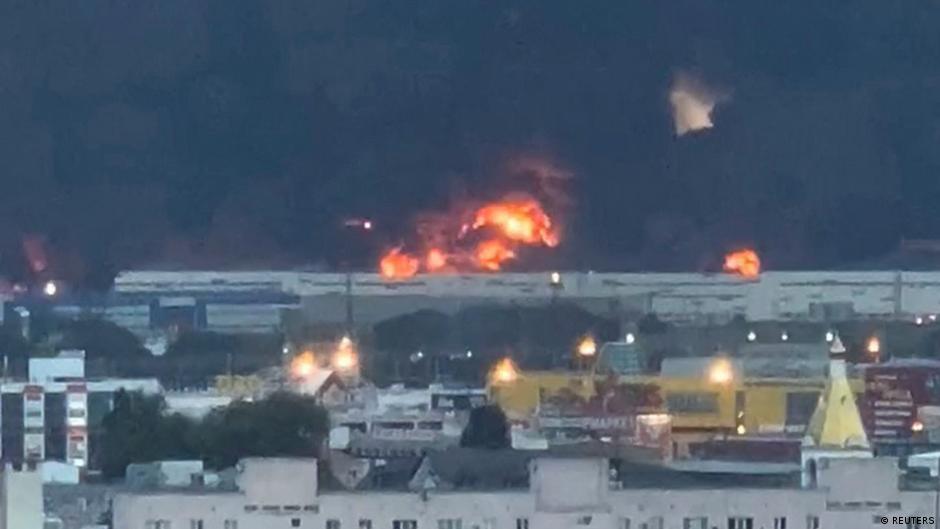
On August 24, two major logistics centers of Russian e-commerce giant Ozon were targeted by drone attacks, triggering fires and operational shutdowns. The incidents in Krasnodar and Nevinnomyssk (Stavropol region) have raised alarms about the stability of supply routes critical to Ozon's operations, with potential implications for US businesses engaging the Russian market or relying on these supply chains.
Drone Attacks Trigger Fires and Casualties at Krasnodar Facility
According to local officials, a drone attack on Ozon’s logistics center in Krasnodar ignited a large fire. The facility, essential for the storage and dispatch of goods, was evacuated safely with no reported adult casualties. However, tragic consequences ensued as fragments from the intercepted drones fell onto a private children's center in the Prikubansky district, resulting in the deaths of two children and injuries to nine others, including seven children.
"Fragments of unmanned aerial vehicles fell on multiple addresses in the Prikubansky district after a defensive operation," reported the city head, highlighting the collateral damage caused by the defensive measures.
Emergency services are actively managing the fire and ensuring public safety. The warehouse operations have been halted indefinitely, impacting Ozon's ability to process online orders originating from this center. Deliveries to and from the facility have been suspended, and alternative logistics nodes are being mobilized.
Stavropol Region Warehouse Also Targeted Amid Missile Defense Operations
Simultaneously, drone strikes targeted another large Ozon logistics hub in Nevinnomyssk, Stavropol region. This warehouse spans over 93,000 square meters and serves as a critical node for sorting and dispatching both food and non-food items to customers. Local authorities reported multiple explosive sounds and visible smoke plumes as air defense forces engaged the drones attacking the industrial zone.
The Stavropol governor confirmed the engagement of air defense systems to repel the drone swarm, signaling an escalation in attacks against industrial infrastructure. This development jeopardizes Ozon’s supply chain continuity and raises questions about the security of commercial logistics in contested regions.
Implications for US Businesses and Supply Chain Risks
Ozon is one of Russia's largest online retailers, with extensive logistics networks that facilitate the movement of goods across the country. Disruptions at these major centers not only affect Russian consumers but could also impact American companies that rely on Ozon's platform for sales or distribution within Russia.
These attacks underscore the risks faced by US businesses involved in regions experiencing military conflicts or heightened security threats. The interruption of logistics infrastructure poses challenges to order fulfillment, supplier reliability, and delivery timelines, directly affecting bottom-line operations.
With the global supply chain still vulnerable from pandemic-related issues and geopolitical tensions, the targeting of key logistics hubs like Ozon’s warehouses adds a new layer of complexity for multinational corporations. Companies must reassess their risk management strategies, including potential contingencies for supply chain rerouting and alternative market access.
As the situation develops, monitoring the security environment in Russian industrial zones will be critical for US investors and partners to mitigate business disruptions and ensure operational resilience.



