Drone Attacks in Russian Border Regions Result in Casualties Amid Rising Security Concerns
Deadly drone strikes in Kursk and Belgorod regions highlight escalating tensions near Russia's western borders.
Recent drone attacks on Russia's western border regions have resulted in fatalities and injuries, underscoring growing security challenges that carry potential implications for U.S. businesses operating in Eastern Europe and beyond.
Drone Strikes Cause Civilian and Volunteer Casualties
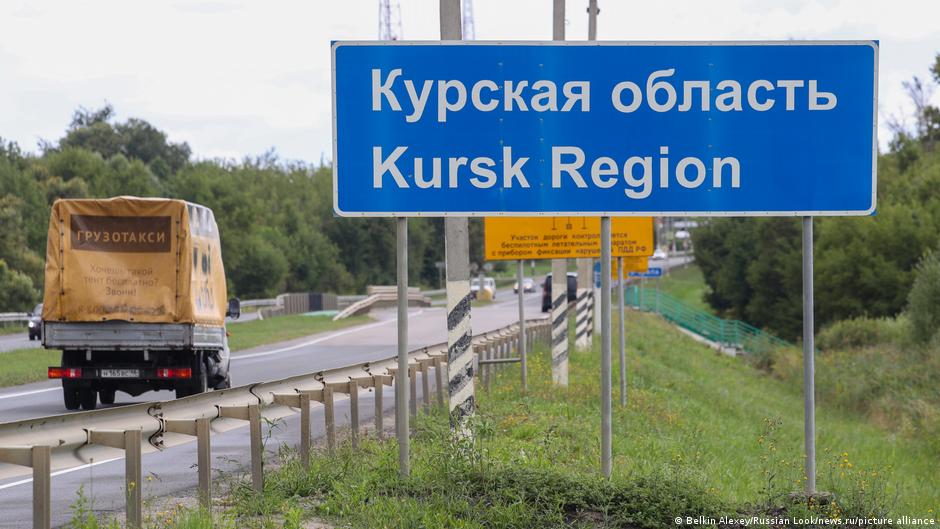
On August 5, a drone strike hit a private residence in the village of Kozyrevka in the Kursk region, killing one person and injuring six others. Alexander Khinshtein, the regional governor, confirmed the casualties, marking a significant escalation in drone-related violence in the area.
Simultaneously, in the neighboring Belgorod region, two more people were wounded during drone incursions in the Shebekino district. Among the injured was a member of the volunteer unit "Orlan," which suggests that both civilian and paramilitary personnel are being affected. A local man from Maslova Pristan was also injured after a drone strike targeted his vehicle, inflicting mine-explosive trauma for which he sought hospital treatment independently.
"The recent drone strikes reveal a concerning escalation in the conflict zones near Russia's border, which may impact regional stability." — Security Analyst
Heightened Security Measures in Moscow and Yaroslavl
In response to the threat, Moscow's mayor, Sergey Sobyanin, announced the interception and destruction of three drones targeting the Russian capital during the night of August 6. No casualties or damage were reported in the capital, but the incidents highlight vulnerabilities in airspace security.
Additionally, the Yaroslavl region declared a state of alert following drone threat warnings. Authorities restricted vehicle movement on major routes heading from Yaroslavl toward Moscow. Governor Mikhail Yevrayev urged residents through Telegram to avoid travel in the affected areas or to seek alternative routes.
Implications for U.S. Businesses and Washington
These developments in Russia's border regions come amid ongoing geopolitical tensions that could affect American companies with investments or operations in Eastern Europe and Russia. Heightened instability increases risks related to supply chains, energy markets, and broader security concerns.
From a Washington perspective, the drone attacks emphasize the need for continued monitoring and strategic planning regarding U.S. engagements in the region. As hybrid warfare tactics such as drone strikes become more prevalent, American policymakers and businesses must assess potential spillover effects, including sanctions, countermeasures, or disruptions to trade.
The situation remains fluid, and U.S. companies with exposure to the affected areas should evaluate security protocols and contingency plans accordingly.