Drone Strike Hits Building in Western Moscow Amid Heightened Security Concerns
A drone impacted a residential building in Moscow’s west, with no casualties reported and additional drones intercepted by air defenses.
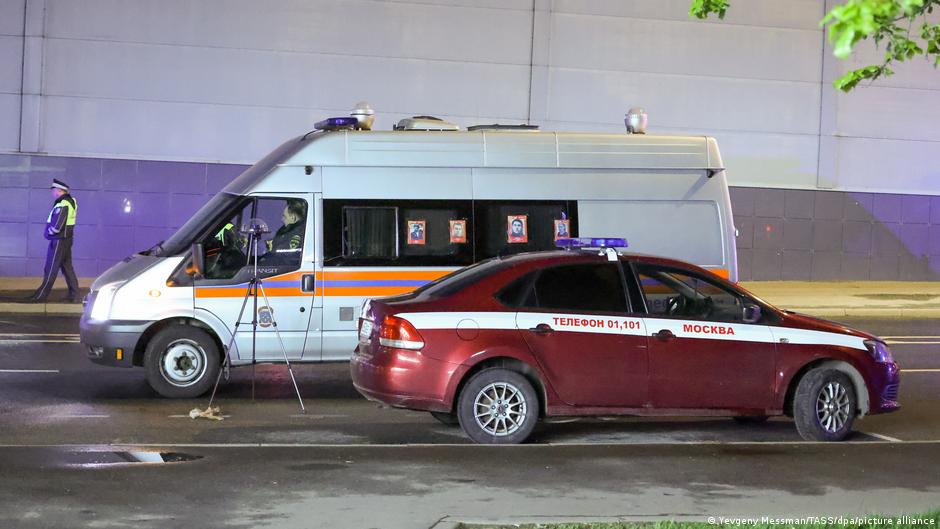
In the early hours of May 4, a drone struck a residential building on Mosfilmovskaya Street in western Moscow, causing damage to the facade and shattering windows in several apartments. Emergency services are currently on site responding to the incident, while the city administration confirmed there were no casualties.
Security Implications and Response
Moscow Mayor Sergey Sobyanin announced the incident via his Telegram channel, stating that the affected site is an elite residential complex known as the "Dom na Mosfilmovskoy Ulitse" (House on Mosfilmovskaya Street) located in the Ramenki district. The attack has heightened concerns about the security environment in the Russian capital amid ongoing geopolitical tensions.
"No casualties. Emergency services are working at the scene," Mayor Sobyanin wrote.
According to eyewitness accounts, structural debris fell onto nearby territory, prompting authorities to block traffic and seal off Mosfilmovskaya Street in the vicinity of the impact site. Telegram channels monitoring Moscow reported an explosion and published images showing visible damage to the building’s exterior.
In a related development, Sobyanin also reported the successful interception and destruction of two additional drones targeting Moscow by the city’s air defense units. These incidents underscore the increasing use of unmanned aerial vehicles (UAVs) in asymmetric attacks against strategic urban locations.
Washington’s Perspective: Implications for American Businesses and Policy
From a Washington standpoint, the incident signals an escalation in drone-based attacks within the Russian capital, which may influence the geopolitical climate and complicate US-Russia relations. American companies with investments or operations in Russia could face heightened risks, including potential disruptions to business activities and increased security costs.
The targeting of high-end residential areas reflects a broader pattern of urban vulnerabilities being exploited by unmanned systems, raising concerns about the safety of expatriate personnel and foreign assets. US policymakers may interpret such attacks as part of a hybrid warfare strategy that complicates diplomatic engagement and necessitates a reassessment of risk management for American business interests in the region.
Additionally, the incident may prompt US defense and intelligence agencies to enhance monitoring of UAV technologies and their deployment in urban conflict scenarios, especially considering the growing accessibility and use of drones for tactical strikes.
Overall, the drone attack in Moscow highlights the evolving nature of threats facing major cities and the potential ripple effects on international business operations and diplomatic relations.