Drone strikes halt major Russian refinery, raising pressure on fuel markets
Damage at the Yaroslavl refinery has stopped processing and fuel shipments, adding to Russia’s fuel strain and sharpening the stakes for Washington.
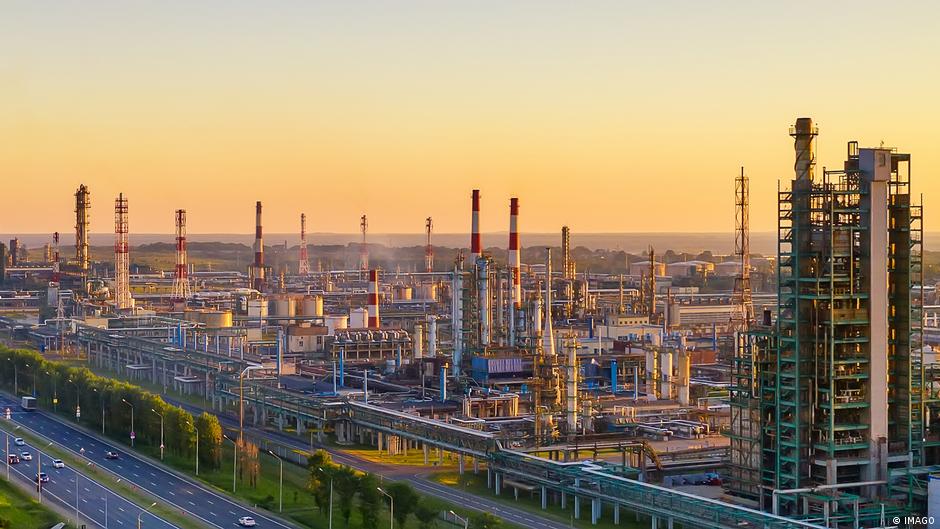
A major Russian oil refinery that supplied fuel to the Moscow region has stopped processing crude and shipping fuel after Ukrainian drone attacks damaged key units, according to the Russian-language source article citing Reuters. The shutdown at Slavneft-Yaroslavnefteorgsintez, known as YANOS, places one of Russia’s largest refining sites at the center of a widening fuel crunch with potential implications for U.S. policymakers, energy traders and companies monitoring geopolitical risk.
The refinery in Yaroslavl is described as one of Russia’s top 10 refineries and among the five largest in the country by crude-processing volume. It has a stated capacity of 15 million tons of oil per year and annually supplied markets with more than 2.6 million tons of gasoline and 4 million tons of diesel. The plant also supplied fuel to the Moscow region, making its outage commercially and politically sensitive inside Russia.
Reuters reported Thursday, September 17, citing four industry sources, that YANOS halted oil processing and fuel shipments after another Ukrainian drone attack. According to those sources, the strike overnight on September 17 damaged the AVT-3 crude processing unit, which accounted for 40 percent of the plant’s capacity. Yaroslavl regional governor Mikhail Yevrayev confirmed damage and a fire at the plant, with firefighters working for several hours to extinguish the blaze.
YANOS has stopped exchange-traded fuel shipments after attacks disabled major processing capacity at the refinery.
The latest damage followed an earlier strike overnight on August 28, when another unit, AVT-4, was taken out of service. That unit accounted for about 33 percent of YANOS capacity and had not resumed operations by the time of the September attack, according to the source article. Together, the reported damage to AVT-3 and AVT-4 would remove the main processing backbone of the refinery from service, explaining the halt in fuel shipments.
Why Washington is watching Russian fuel stress
For U.S. officials, the Yaroslavl outage adds another data point to a strategic question that has gained urgency in Washington: how Ukrainian strikes on Russian energy infrastructure affect Moscow’s war capacity, global energy stability and the diplomatic leverage around ceasefire proposals. The source article says Ukrainian strikes on Russian refining assets contributed this summer to a fuel crisis in Russia. The Kremlin and President Vladimir Putin have been reluctant to acknowledge the scale of the problem, with Putin saying fuel difficulties were “temporary” and that refinery attacks were not capable of influencing events at the front.
That claim is being tested by repeated operational setbacks at major refineries. The Yaroslavl refinery is not the only large plant in the region affected in September. Since September 6, fuel shipments have also stopped from Rosneft’s refinery in Ryazan, which has capacity of 17 million tons of oil per year. With YANOS at 15 million tons per year, two major refineries have now suspended shipments in the same month because of the consequences of drone attacks, according to the source article.
The commercial consequences are clearest inside Russia, where fuel availability has become increasingly uneven. The article cites Gdebenzin, a service that aggregates sites and tools connected with fuel searches in Russia, as showing that in mid-September AI-92 and AI-95 gasoline was unavailable at roughly half of the country’s filling stations. Those indicators fluctuated day to day, but a chart cited by Novaya Gazeta Europe showed an acute fuel shortage continuing in Russia since mid-August.
For American companies, the immediate bottom-line exposure depends on sector. Energy traders, refiners and logistics companies will be watching whether Russian domestic shortages lead Moscow to adjust exports, ration supply, change pricing mechanisms or prioritize military and internal demand. While the source article does not provide export figures or global price impacts, outages at large refineries can still influence risk premiums, insurance calculations, shipping expectations and commodity market sentiment.
U.S. manufacturers and transportation-heavy businesses are also likely to read the developments through a broader risk lens. The refinery attacks underscore that the Russia-Ukraine war continues to affect not only battlefield dynamics but also industrial assets deep inside Russia. For companies with exposure to European energy costs, sanctions compliance, shipping routes or commodity-linked contracts, the practical issue is not one refinery alone but the accumulation of infrastructure disruptions.
Trump ceasefire idea enters the energy debate
The refinery disruptions are also feeding directly into U.S.-Russia diplomacy. In mid-September, Kremlin spokesman Dmitry Peskov spoke positively about U.S. President Donald Trump’s idea of an “energy truce,” which would involve halting Ukrainian attacks on Russian refineries. When asked whether Russia was prepared in return to stop strikes on Ukrainian infrastructure, Peskov did not answer, according to the source article.
That asymmetry matters in Washington. Any U.S.-backed energy ceasefire proposal would raise questions about reciprocity, enforceability and whether restrictions on Ukrainian strikes would reduce pressure on Russia without securing equivalent protection for Ukrainian infrastructure. For American policymakers, the issue is not only humanitarian or military; it also intersects with global fuel supply, inflation sensitivity and the political risks attached to energy prices.
YANOS has been hit repeatedly since Russia launched its full-scale war against Ukraine. The source article says the Yaroslavl plant has come under Ukrainian drone strikes multiple times and that in 2026 fires occurred at the enterprise at least eight times. The latest shutdown therefore appears less like an isolated disruption than part of a continuing campaign against Russia’s refining system.
The bottom line for U.S. business and politics is that Russia’s fuel infrastructure is becoming a more visible pressure point in the war. The shutdown of a refinery supplying the Moscow region, combined with reported shortages across Russian filling stations and another major refinery halt in Ryazan, gives Washington a sharper picture of how energy assets are shaping both battlefield economics and diplomatic bargaining. Whether that pushes the United States toward a narrower energy ceasefire, tougher sanctions enforcement or a more cautious approach to market volatility will depend on how durable these disruptions prove to be.