EU Adds €710 Million in Humanitarian Aid as Crisis Costs Mount for Allies
The new funding targets Africa, the Middle East and Ukraine, underscoring pressure on Washington and aid-dependent markets tied to US interests.
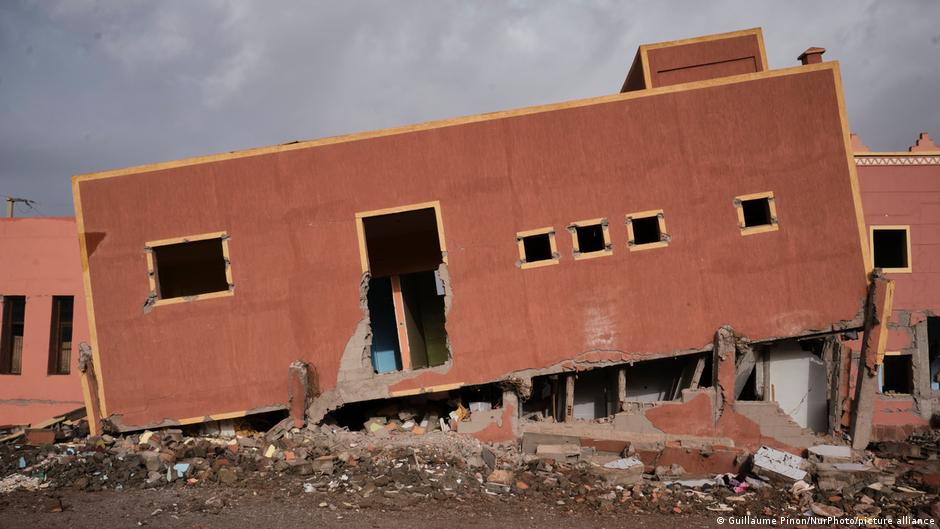
The European Union will provide an additional €710 million in humanitarian aid for people affected by wars, natural disasters and other crises around the world, European Commission President Ursula von der Leyen said Saturday, September 26. The announcement, delivered in a video address to participants of the Global Citizen Festival in New York before the event was later canceled because of bad weather, places fresh emphasis on Europe’s role in financing emergency relief at a time when conflict, migration and disaster response are increasingly tied to political and economic calculations in Washington.
For US policymakers and companies operating across fragile markets, the EU package is more than a charitable outlay. It signals where Brussels expects instability to deepen, where migration pressure may rise, and where humanitarian spending could intersect with procurement, logistics, health care, food supply and reconstruction needs. The largest share of the new funding is aimed at Africa, especially countries south of the Sahara, a region closely watched by Washington for security, migration and commercial reasons.
Von der Leyen said special attention in distributing the aid would be given to Africa, forcibly displaced people and the communities hosting them.
About €380 million will be directed to migration-related measures in sub-Saharan African countries. Those funds are intended to support the most vulnerable migrant groups, as well as their return home and reintegration. The approach reflects a growing European priority: using aid budgets not only to respond to emergencies, but also to manage migration routes before they reach Europe’s borders.
Why Washington Will Watch the EU Package
The announcement lands in an international environment in which aid policy is increasingly connected to domestic politics. In the United States, foreign assistance has become a point of sharp budgetary and ideological debate, even as humanitarian crises affect regions tied to US security partnerships, supply chains and corporate exposure. European spending decisions can therefore shift burdens among allies, influence migration patterns and shape the operating environment for American firms in emerging markets.
For US businesses, the aid package may have indirect but real bottom-line implications. Emergency funding often moves through contracts and implementing partners for food, medical services, shelter, cash assistance, transport and infrastructure repair. While the EU funds are European public money, humanitarian programs frequently involve international vendors, nonprofit partners and cross-border supply chains. Companies in logistics, pharmaceuticals, agricultural commodities, construction materials and financial services can all be affected by the scale and direction of crisis spending.
The EU said €252 million of the new funding will go toward emergency assistance linked to active armed conflicts, forced displacement, epidemics and natural disasters. Of that amount, €97 million will be directed to sub-Saharan African countries, €103 million to the Palestinian territories and Lebanon, and €52 million to Ukraine, including winter preparedness.
Smaller allocations are planned for the African Great Lakes region and for responding to an Ebola outbreak in eastern Democratic Republic of Congo. Those priorities overlap with areas where instability can disrupt mining, transport corridors, health systems and regional trade, all of which matter to global companies assessing risk in Africa.
Ukraine Aid Remains a Strategic Line Item
Ukraine remains a central recipient in the EU’s humanitarian portfolio. For 2026, the European Union initially allocated €145 million in humanitarian aid for Ukraine. In recent months, however, the volume of humanitarian assistance for Ukraine and Moldova was increased to €248 million.
The new €52 million allocation for Ukraine, including winter preparedness, comes as the country continues to face the consequences of Russia’s full-scale war. The funds are aimed at food purchases, medical assistance, housing reconstruction, cash payments and preparations for winter. Since the beginning of the full-scale war launched by Russian authorities, the European Commission has allocated more than €1.4 billion to humanitarian aid programs for Ukraine.
For Washington, continued European financing for Ukraine carries both political and fiscal significance. It allows US officials to point to burden-sharing by allies, while also highlighting the scale of Ukraine’s nonmilitary needs. For American businesses involved in energy resilience, construction, medical supplies and future reconstruction planning, European humanitarian spending helps shape the practical pipeline of needs on the ground, even when it does not directly translate into immediate commercial contracts.
The broader EU humanitarian budget for 2026 is about €1.9 billion worldwide, according to European Commission data. The largest spending lines are €557 million in support for sub-Saharan African countries and €463 million for the Middle East and North Africa. Those figures show that Brussels is prioritizing regions where conflict, displacement and weak public services can generate cross-border consequences.
The Middle East and North Africa allocation will also be closely read in Washington, where policy toward the Palestinian territories, Lebanon and the wider region remains politically sensitive. The additional €103 million for the Palestinian territories and Lebanon places Europe in a visible role in financing civilian relief amid continuing instability.
For US executives, the central takeaway is that humanitarian policy is becoming part of the operating map for global risk. Aid flows can stabilize local demand, support basic services, keep trade routes functioning and reduce the immediate pressure of displacement. They can also indicate where governments expect continued disruption. The EU’s latest package points to a year in which Africa, the Middle East and Ukraine will remain at the center of allied spending debates, with consequences that extend from diplomacy to procurement and corporate risk planning.