EU Pledges Continued Support for Ukraine Amid Independence Day Amid Ongoing Conflict
EU leaders commit to sustained aid and sanctions on Russia, signaling long-term engagement with Ukraine’s future in the bloc.
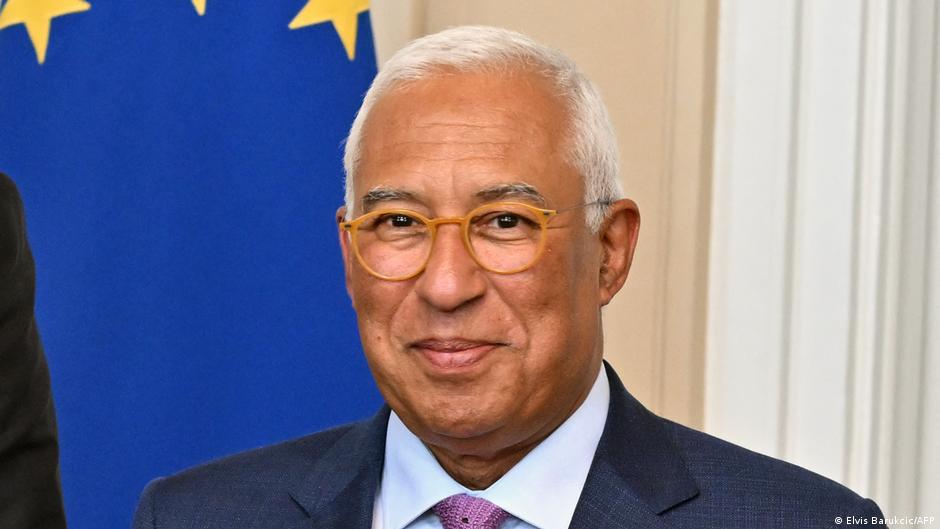
On Ukraine's Independence Day, August 24, the European Union reaffirmed its commitment to supporting Kyiv throughout the ongoing conflict with Russia and beyond. EU Council President António Costa emphasized that the future of Ukraine within the European Union represents the strongest guarantee of security and democratic stability for both Ukraine and Europe.
Long-Term EU Support and Sanctions Strategy
In a statement released on the day marking Ukraine’s sovereignty, António Costa underscored the EU's readiness to maintain its assistance "as long as necessary" — spanning wartime efforts, peace negotiations, and post-conflict reconstruction. This pledge reflects the EU’s strategic approach to Ukraine’s future, positioning it as an integral part of European security architecture.
“We will continue to provide as much support as is necessary and for as long as it is required—during the war, in peace negotiations, and in rebuilding,” said Costa.
Moreover, the EU is prepared to intensify sanctions on Russia until it ceases hostilities and commits genuinely to peace talks. Costa highlighted that the continuation of punitive measures is contingent on Russia's actions, reinforcing the EU’s stance on accountability and conflict resolution.
"We will increase pressure until Russia stops the killings, shows sincere commitment to peace, and moves from the battlefield to the negotiating table," Costa said.
Implications for US Businesses and Political Landscape
The EU’s firm stance and ongoing sanction regime have notable implications for American businesses and policymakers. US companies with European ties face a complex environment where compliance with EU and US sanctions regimes against Russia remains critical to operational risk management. Furthermore, the sustained support for Ukraine signals long-term economic and political engagement in the region, potentially opening avenues for US firms specializing in reconstruction, energy diversification, and security-related sectors.
Politically, the alignment between the EU and the US on Ukraine underscores continued transatlantic cooperation in countering Russian aggression. The presence of global leaders — including British Prime Minister Rishi Sunak, German Chancellor Friedrich Merz, and French President Emmanuel Macron — at the "Coalition of Willing" summit in Kyiv signals unified Western resolve, which may translate into coordinated policies impacting US foreign aid and defense commitments.
The summit also marks Sunak’s first foreign trip since assuming office, highlighting the importance placed on supporting Ukraine as a geopolitical priority. His engagement, alongside other leaders, may influence US strategies regarding military aid and diplomatic efforts.
US companies involved in defense manufacturing, cybersecurity, and infrastructure rebuilding could benefit from increased Western investment and cooperation in Ukraine’s reconstruction phase. Conversely, businesses exposed to Russian markets or supply chains must navigate the evolving sanctions landscape carefully.
Overall, the EU's statement reinforces a durable Western alliance backing Ukraine’s sovereignty and integration with Europe, signaling ongoing political and economic dynamics that will affect US interests and corporate strategies in the region.