EU Sanctions Deadline Tests Western Unity as Kallas Urges Russia Extension
The European Union faces a narrow deadline to renew Russia sanctions as disputes over two billionaires expose pressure points in the West’s economic response to Moscow.
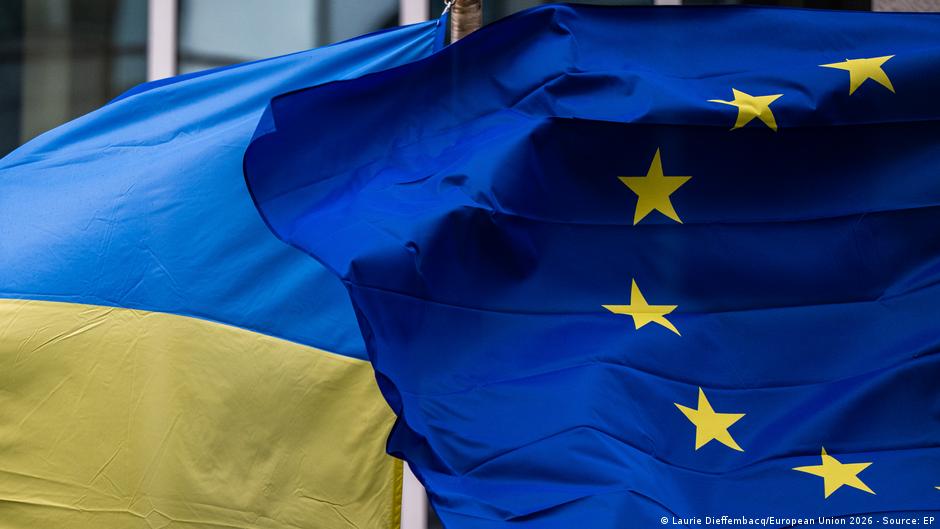
European Union foreign policy chief Kaja Kallas urged EU ambassadors to extend sanctions against Russia ahead of a new meeting of the bloc’s permanent representatives, warning that the measures remain central to the West’s response to Moscow’s war in Ukraine. For Washington and U.S. companies, the outcome is more than a European procedural fight: it is a test of sanctions coordination across the Atlantic and of the durability of economic pressure on Russia.
Kallas made the appeal in New York on Monday, September 21, after EU ambassadors previously failed to agree on a six-month extension of restrictive measures because of disagreements involving Russian billionaires Alisher Usmanov and Mikhail Fridman. The current sanctions regime was temporarily extended while consultations continued, with the stopgap set to expire at midnight on September 22.
“Sanctions are a key element of our response to the war unleashed by Russia,” Kallas said, describing them as a tool intended to deprive Moscow of financing.
According to comments cited by AFP, Kallas said EU representatives are seeking to conclude talks soon on extending the punitive measures against Russia and to ensure that they enter into force quickly. She also stressed that the EU’s position remains unchanged and that Brussels is already working on a new sanctions package.
Dispute Over Russian Billionaires Complicates Renewal
The next meeting of EU permanent representatives was scheduled for the morning of September 22, according to a DW correspondent in Brussels citing an EU diplomat. The meeting was expected to address whether sanctions should be lifted on Usmanov and Fridman while preserving restrictive measures against thousands of other individuals and entities.
The dispute underscores how sanctions policy can become a bargaining arena inside the EU, where unanimity is required for such measures. On September 14, ambassadors from EU member states were unable to agree on the next six-month renewal of sanctions imposed on Russia over violations of Ukraine’s territorial integrity. They instead decided to prolong the existing regime only for the duration of further consultations, until midnight on September 22.
Sources speaking to DW on condition of anonymity said the disagreements were tied to Slovakia’s effort to remove both Usmanov and Fridman from the sanctions list. France, in turn, blocked renewal of the sanctions regime while seeking Usmanov’s removal. Luxembourg also supported removing Fridman from the punitive measures, Reuters reported on September 21, citing diplomatic sources.
Ukraine has sharply criticized the possibility that sanctions could be lifted on either billionaire. Ukrainian Foreign Minister Andrii Sybiha said Usmanov and Fridman had been placed on sanctions lists because of their connection to “the Russian aggressive regime that is waging a war of conquest against Ukraine.” Since then, Sybiha said, nothing has changed.
Why Washington and U.S. Business Are Watching
From a U.S. business and politics perspective, the EU debate matters because sanctions enforcement works best when Washington, Brussels and other allies move in tandem. American companies with European subsidiaries, counterparties or supply chains depend on a predictable sanctions environment. A last-minute EU impasse can create compliance uncertainty, especially for financial services, energy, logistics, commodities trading, insurance and technology firms that must screen customers and transactions against multiple sanctions regimes.
The immediate issue is European, but the implications reach Washington. U.S. policymakers have repeatedly relied on coordinated sanctions as a central instrument of pressure against Russia since the full-scale invasion of Ukraine. Any public split inside the EU can raise questions in Congress and the administration about allied resolve, while also offering Moscow evidence of political fatigue within the Western coalition.
For U.S. companies, the bottom-line concern is not only whether Usmanov or Fridman remain under EU restrictions, but whether the broader sanctions architecture stays coherent. Thousands of individuals and organizations remain covered by the restrictive measures under discussion. A delay, carveout or fragmented renewal could force compliance teams to reassess exposure, update controls and monitor divergent legal obligations across jurisdictions.
The debate also comes as Brussels says it is working on a new sanctions package. That means U.S. firms operating internationally should expect continued sanctions pressure rather than a near-term easing of restrictions. Even if the EU resolves the current standoff, the discussion shows how political negotiations can affect the timing and scope of sanctions decisions that businesses must implement quickly.
Kallas’s intervention was therefore aimed not only at preserving an existing tool of pressure on Moscow, but also at signaling continuity to Ukraine and to allies, including the United States. The question for EU ambassadors on September 22 is whether they can renew the regime while managing internal demands over individual listings. The answer will shape both the political message sent to Moscow and the compliance landscape facing companies on both sides of the Atlantic.



