EU Summons Russian Envoy Over Missile Strikes Near Kyiv, Signals Expanded Sanctions
EU targets Russia with diplomatic protest and new sanctions after missile strike on Ukrainian weapons expo and Latvian consulate.
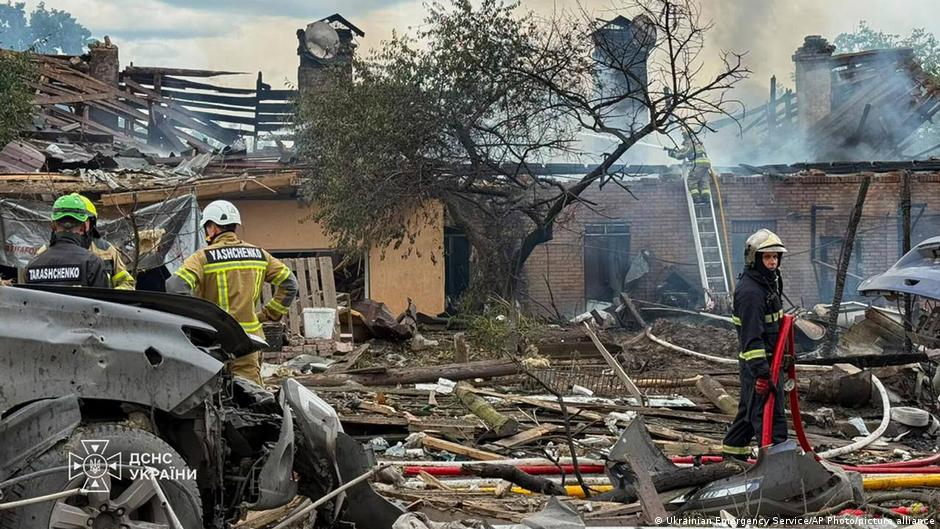
The European Union has summoned Russia's permanent representative to the EU following recent missile attacks in Ukraine, including a strike on a weapons exhibition site near Kyiv and damage to the Latvian honorary consulate in Sloviansk. This move signals a hardening EU stance against Moscow amid ongoing conflict, with implications for US businesses engaged in defense and security sectors.
EU Responds to Russian Missile Strikes
On July 24, EU High Representative for Foreign Affairs and Security Policy, Kaja Kallas, condemned Russia's "indiscriminate" missile attacks across Ukraine, which resulted in civilian casualties and damage to diplomatic facilities. The EU's diplomatic service plans to deliver a formal protest note to Moscow, underscoring the Union’s condemnation of violations of international law.
"The strike on the Latvian honorary consulate highlights Moscow's blatant disregard for international norms," Kallas stated.
Kallas indicated that these attacks are part of a deliberate policy by Russia and announced plans to propose extending EU sanctions to include additional Russian military-industrial enterprises, potentially affecting companies with ties to the US defense industry through global supply chains.
Details of the Attack and Ukrainian Response
Russian forces launched Zircon hypersonic missiles at a private weapons testing range in Bucha district, Kyiv region, where a drone exhibition was underway. Ukrainian Prosecutor General Ruslan Kravchenko reported ten fatalities and approximately 100 injuries from the strike. An investigation is underway regarding the organization and safety measures of the event.
The Russian Defense Ministry confirmed the attack, claiming that the site housed leading Ukrainian drone developers, military commanders, and intelligence operatives allegedly involved in planning strikes on Russian territory.
Strategic Implications for US Defense and Industry
Ukraine’s President Volodymyr Zelensky revealed plans to significantly enhance Ukraine's drone capabilities, projecting operational ranges up to 10,000 kilometers by 2027. Currently, Ukraine operates drones capable of striking targets up to 3,000 kilometers away, comparable to Russian capabilities.
Zelensky also indicated ongoing negotiations with the United States to establish drone manufacturing facilities in Ukraine. He emphasized the need for continuous production cycles, noting that drones require frequent updates and replacements, differentiating them from traditional artillery or missile systems.
This development has direct relevance for US businesses involved in defense manufacturing and technology transfer, as the proposed joint production lines could open new export opportunities while influencing American geopolitical strategy in Eastern Europe.
Moreover, Ukraine is setting up a specialized command focused on long-range strikes against Russian targets, suggesting a shift toward more aggressive drone warfare tactics that may shape US military support and policy decisions.
As Washington assesses how best to support Kyiv, these events underline the complex interplay between European diplomatic responses, emerging military technologies, and the commercial interests of American defense firms engaged in the region.



