Finland Urges EU Ban on Russian Tourist Visas as War Pressure Mounts
Foreign Minister Elina Valtonen says the bloc should act together to restrict leisure travel by Russians while Moscow continues its war against Ukraine.
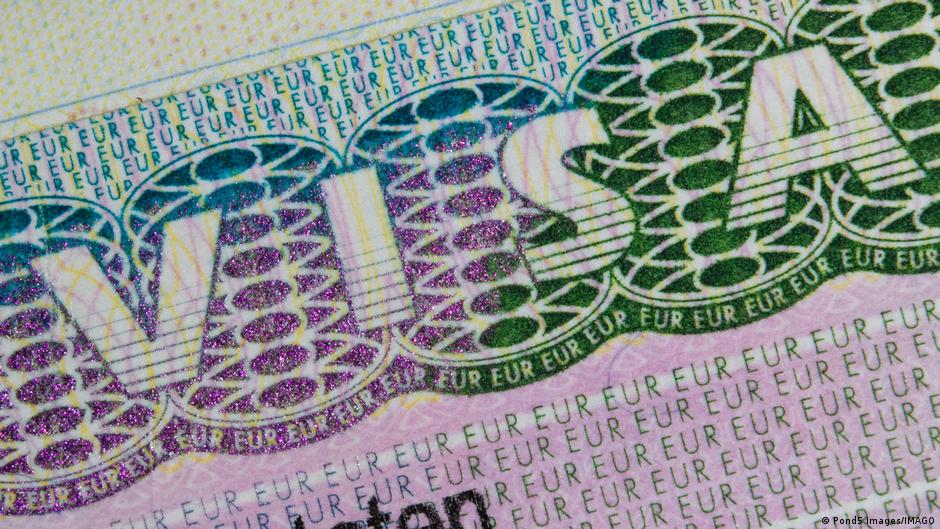
Finland is pressing the European Union to stop issuing tourist visas to Russian citizens, a move that would sharpen Europe’s pressure campaign against Moscow and add another point of coordination for Washington and its allies as the war in Ukraine continues to shape transatlantic policy.
Finnish Foreign Minister Elina Valtonen said EU member states should halt tourist visa issuance for Russian nationals while Russia continues what she described as its aggressive war against Ukraine. In a post on X on Monday, October 12, Valtonen said she had invited other EU countries to join her appeal to the European Commission on the issue.
“It is wrong that Russians can travel to Europe to enjoy the lifestyle and freedoms here while their country bombs the homes of Ukrainians,” Valtonen said.
Valtonen said Finland had already banned the issuance of visas to Russians for non-essential travel in 2022 and argued that the same approach should now be adopted across the European Union. Her statement puts renewed focus on a policy area that has divided European governments since the start of Russia’s full-scale war against Ukraine: whether restrictions should target only officials, military personnel and sanctioned elites, or whether ordinary Russian travelers should also face broader limits.
For the United States, the Finnish push is significant less because it directly changes American visa policy and more because it reflects a continued European appetite for tightening non-military pressure on Russia. Washington has relied heavily on allied alignment to sustain sanctions, export controls and financial restrictions. A broader EU visa ban would mark another step in the effort to make the political and economic cost of the war visible inside Russia, even if its immediate effect would be felt most directly by travelers, airlines, tourism companies and businesses tied to cross-border mobility.
Pressure on Moscow, Costs for Business
The business implications are narrow but real. A full EU-wide tourist visa restriction would further reduce Russian leisure travel into the Schengen Area, affecting hospitality, retail and travel-related firms in countries that still receive Russian visitors. It could also complicate operations for companies that rely on distinguishing between tourism, family travel, essential business travel and humanitarian cases. For American companies with European operations, the practical impact would depend on how the EU defines exceptions and how consistently member states apply the rules.
Valtonen also called for a ban on issuing Schengen visas to people in the close circle of Russian President Vladimir Putin. In addition, she urged restrictions on visas for Russian athletes and effective enforcement of the ban on visas for Russian participants in the war against Ukraine. She emphasized that EU countries should act together, underscoring Finland’s view that national measures are not enough if Russians can enter through other Schengen states.
The Schengen system is central to the debate because visas issued by one member can often allow travel across much of Europe. That makes coordination especially important for governments seeking to prevent loopholes. For U.S. policymakers, the issue mirrors a broader challenge in sanctions enforcement: restrictions lose force when allies apply them unevenly or when affected individuals can route around the toughest jurisdictions.
The Finnish initiative follows other calls within Europe to tighten visa policy toward Russia. In September, EU foreign policy chief Kaja Kallas said the bloc needed to toughen restrictive measures against the Kremlin in response to what she called Moscow’s “hybrid attacks,” including by reducing the number of tourist visas.
Estonia has separately advocated a visa ban for former Russian participants in the war against Ukraine. That proposal later received support from other countries in the Baltic region and Northern Europe, reflecting the sharper security concerns of states closest to Russia and most exposed to Moscow’s pressure tactics.
In June, a group of EU countries issued a joint call to stop issuing tourist visas to Russians. A letter signed by those countries said that in 2025, Russians had received 470,000 visas to visit 29 countries in the Schengen Area. Many of those visas allowed multiple entries, AFP noted, a detail that has fueled concerns among governments pushing for tighter restrictions.
Washington Watches European Alignment
The debate comes as the United States continues to balance military assistance for Ukraine, sanctions enforcement and pressure on Russia’s international networks. Visa policy is not the main lever in Washington’s Russia strategy, but European action in this area could reinforce the broader Western message that the war carries consequences beyond targeted asset freezes and trade restrictions.
For U.S. businesses, the bottom line is that a tougher EU visa regime would be another compliance variable in an already complex Russia-related operating environment. Companies with employees, clients or counterparties who are Russian nationals may need to monitor whether travel remains permissible under any new EU framework. Firms in finance, logistics, aviation, sports, entertainment and professional services could face additional screening questions if the EU expands restrictions to people close to the Kremlin, Russian athletes or former combatants.
The source material indicates that, according to data published on the Austrian parliament’s website, discussion of EU visa policy toward Russia is scheduled for October 14 in the Council of the European Union. That meeting could clarify whether Valtonen’s proposal is gaining broader institutional momentum or remains primarily a push by Finland and like-minded Northern and Baltic governments.
For now, the message from Helsinki is direct: Finland believes the EU should no longer allow Russian citizens to use tourist access to Europe as usual while Russia continues its war. Whether the rest of the bloc agrees will determine if the proposal becomes a Europe-wide restriction with wider consequences for travel, enforcement and Western economic pressure on Moscow.