Former German Foreign Minister Annalena Baerbock to Join Columbia University Faculty in New York
Annalena Baerbock will serve as co-director of Columbia’s Global Leadership MPA program after her UN General Assembly term ends.
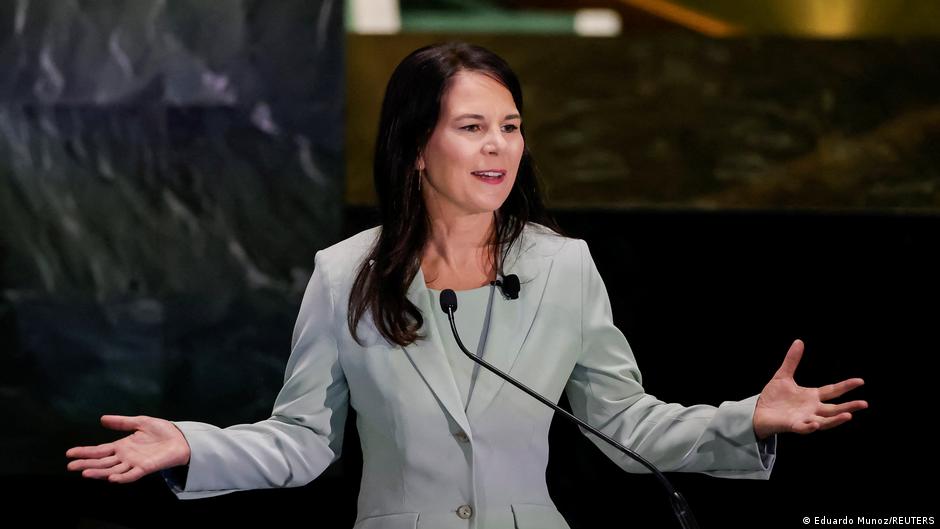
Former German Foreign Minister Annalena Baerbock is set to transition from international diplomacy to academia in the United States, accepting a teaching position at Columbia University in New York City. This move follows the conclusion of her term as chair of the United Nations General Assembly, a position she has held since September 2023.
Implications for US-German Relations and American Institutions
Baerbock will become co-director of the Master of Public Administration in Global Leadership program at Columbia’s School of International and Public Affairs (SIPA). The role is a practical, teaching-focused professorship rather than a traditional research chair, and will last for three years. Additionally, Baerbock will serve as a guest lecturer and public speaker, strengthening the university's connection to global policymaking circles.
Her appointment demonstrates the growing intersection between global political leadership and US academic institutions, offering American students and policymakers firsthand insights from a leading European politician deeply involved in transatlantic affairs. For US businesses and policymakers, Baerbock’s experience in German foreign policy and at the global level of the UN could provide valuable perspectives on geopolitical risks and opportunities, especially in areas like international trade, climate policy, and security cooperation.
"I enjoy immersing myself in the diversity of New York City, and frankly, it sometimes brings me great relief," Baerbock said about her residency in New York during her UN tenure.
Her term as UN General Assembly president is limited to one year, with regional rotation rules preventing immediate reappointment. In September, Bangladesh's Foreign Minister, Khalilur Rahman, will succeed her. Baerbock’s move to academia follows a precedent set by previous German diplomats, such as Joschka Fischer, who transitioned to US universities and advisory roles after their political careers. Fischer taught foreign policy at Princeton University and later consulted for Siemens AG and international energy projects.
For US companies and policy circles, Baerbock’s presence at Columbia can facilitate enhanced dialogue on global governance and leadership challenges. The collaboration may also open channels for American business leaders to engage with European and UN policy frameworks, potentially informing corporate strategies amid shifting international dynamics.
As Washington continues to navigate complex transatlantic relations, figures like Baerbock bridging the worlds of diplomacy and academia help foster mutual understanding and contribute to shaping future policy and business environments.



