Founder of Gulagu.net Suspends Project Amid Heightened Threats and Global Human Rights Crisis
Vladimir Osechkin cites growing dangers, geopolitical tensions, and international legal challenges impacting his Russian prison rights project.
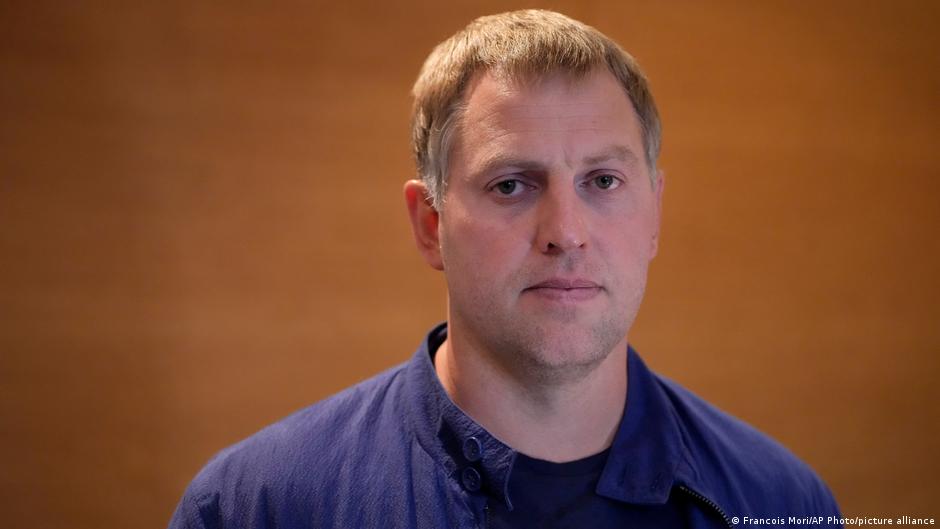
Vladimir Osechkin, the founder of Gulagu.net, a project dedicated to supporting prisoners in Russian penal colonies, has announced the suspension of his initiative, citing an unprecedented global crisis for human rights advocates and increasing personal threats.
Rising Risks and a Challenging Environment
In a recent interview, Osechkin explained that the decision to freeze the project stems from a confluence of factors including the erosion of international law, the sidelining of human rights in global discourse, and a hostile environment towards activists opposing torture, violence, and war.
“We – along with everyone opposing torture, violence, and war – are in a state of global crisis. Many of my colleagues remain silent, and that silence harms not only our mission but the world,” Osechkin stated.
He pointed out that media headlines are dominated by billionaires and showmen, while routine deaths in prisons and war zones have become normalized. This shift, he says, has left activists like him without a firm footing.
Gulagu.net, which has sought to document abuses and aid detainees, has yet to receive any human rights awards, a reflection of the marginalization of grassroots efforts in favor of polished, high-profile figures. Osechkin also highlighted how some prominent opposition figures had been presented in more favorable conditions prior to prisoner exchanges, contrasting with the continued torture of war prisoners.
Osechkin recounted his own harrowing experience, having been detained from 2007 to 2010, during which he was subjected to harsh conditions and emerged physically battered.
Security Threats and Political Repression
Living in exile in France since 2015, Osechkin disclosed that he and his family face ongoing threats. French authorities have detained multiple Russian agents allegedly plotting his assassination, including arrests in October 2025 and late May 2026 near his residence.
His security situation reflects his position as a top target of Russian intelligence following Alexei Navalny. Osechkin has documented military crimes and helped smuggle key witnesses from Russian military and prison systems abroad, intensifying Moscow’s pursuit.
Moreover, Osechkin warned of the possibility of a new mobilization in Russia this fall, noting that recent laws grant authorities sweeping powers to revoke passports, block driver’s licenses, and seize assets immediately. He also emphasized that Western countries have tightened borders, limiting visas and mobility for Russians.
Implications for U.S. Businesses and Policy
Osechkin’s account underscores the increasing risks faced by human rights defenders opposing the Russian government, a situation with potential ramifications for American companies operating in or with Russia. The heightened repression, surveillance, and geopolitical tensions may complicate compliance with sanctions and human rights due diligence requirements.
Furthermore, the U.S. government’s stance on Russia, including border restrictions and sanctions, mirrors the broader international environment restricting Russian mobility and financial operations. Such policies reflect Washington’s strategic approach to applying pressure on Moscow but also require American firms to navigate complex legal and ethical challenges.
As Gulagu.net’s suspension highlights the shrinking space for civil society and dissent in Russia, U.S. policymakers may need to reconsider support mechanisms for activists and human rights projects to uphold democratic values and counter authoritarian repression.
Osechkin’s experience and warnings offer a sobering perspective on the deteriorating human rights climate inside Russia and its wider geopolitical consequences, emphasizing the interlinkages between political repression, international law, and global business risks.