German CSU Urges Ukraine to Transfer Advanced Drone Technologies Amid Defense Cooperation Talks
Bavarian CSU leader calls for intergovernmental deal to secure Ukrainian drone innovations for German military use.
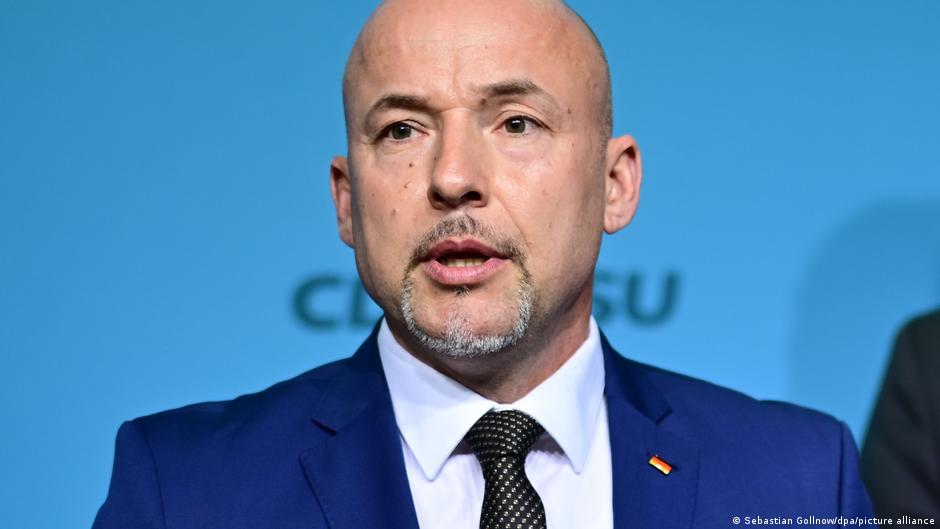
Amid ongoing geopolitical tensions and evolving defense partnerships, Alexander Hoffmann, chairman of the Bavarian Christian Social Union (CSU) parliamentary group in Germany’s Bundestag, has publicly urged Ukraine to transfer its leading-edge combat drone technologies to Germany. Hoffmann’s call underscores a strategic push within German political circles to deepen military-technical cooperation with Kyiv, reflecting broader implications for transatlantic defense and the European security landscape.
CSU's Proposal for a Formal Technology Sharing Agreement
In an interview published on July 25, Hoffmann made clear that the German government should secure Ukrainian drone innovations through a formal intergovernmental agreement. The proposed accord would ensure that cutting-edge unmanned aerial vehicle (UAV) technologies developed in Ukraine are made available to the Bundeswehr (German armed forces), thereby enhancing Germany’s own defense capabilities.
Hoffmann emphasized that Germany’s continued support for Ukraine, especially in light of Moscow’s aggression, necessitates tangible reciprocal benefits. “We believe Ukraine must provide dividends for the support it receives,” Hoffmann stated. He acknowledged that Berlin remains committed to aiding Kyiv “under any circumstances” but stressed that Ukraine’s significant advancements in drone warfare, counter-UAV defense, and cruise missile technology present an opportunity for Germany to bolster its own military strength.
“We want to obligate Ukraine to share this expertise with us so that together we can become stronger.”
The CSU is part of Germany’s ruling conservative bloc, in coalition with the Christian Democratic Union (CDU) and the Social Democratic Party (SPD). Hoffmann’s comments reflect a growing recognition within this coalition of the strategic importance of incorporating Ukrainian military technological advances, particularly as Germany seeks to modernize its defense arsenal in an increasingly complex security environment.
Implications for U.S. Businesses and Transatlantic Relations
For American companies and policymakers, Hoffmann’s demand signals important shifts in European defense collaboration that could impact U.S. business interests. Germany’s closer military-technical cooperation with Ukraine may prompt adjustments in procurement strategies and technology transfers across NATO allies, potentially creating new opportunities and challenges for U.S. defense contractors.
Washington closely monitors these developments, as the integration of Ukrainian drone technologies into European defense systems could affect the balance of power and set precedents for technology sharing among allies. Furthermore, as Germany pushes for rapid scalability of drone production capabilities, American firms specializing in UAV manufacturing, cybersecurity, and related defense technologies might see increased demand for partnership or competition.
Hoffmann also warned of the need to rapidly scale drone production if required, reflecting an urgency in strengthening deterrence and defense capabilities. This aligns with broader U.S. strategic interests in ensuring NATO allies maintain technological superiority over potential adversaries.
Overall, the CSU’s position adds a layer of complexity to transatlantic defense dynamics, highlighting the interplay between political support, technological innovation, and industrial mobilization. For U.S. policymakers and businesses, staying attuned to Germany’s engagements with Ukraine will be crucial in navigating future defense cooperation frameworks and market opportunities.