Germany Approves Arms Exports to Israel Amid Ongoing Conflict with Iran
Berlin authorized multimillion-euro arms shipments to Israel despite formal export restrictions during the US-Israel conflict with Iran.
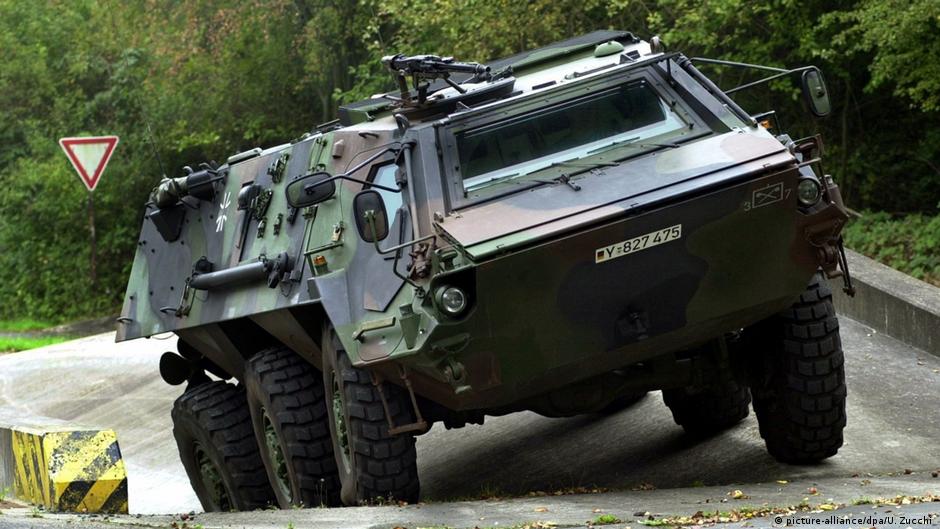
In the early stages of the escalating conflict between the United States, Israel, and Iran, the German government continued to approve arms exports to Israel despite existing export control principles that generally prohibit such transfers to war zones. Between February 28, the date of the joint Israeli-American military attack on Iran, and March 27, Berlin authorized arms shipments to Israel valued at €6.6 million, according to responses from Germany's Ministry of Economics to parliamentary inquiries by Ulrich Thoden, a Left Party legislator.
Balancing Export Controls and Strategic Alliances
Germany’s arms export guidelines, established in 2000 by the then red-green coalition government, largely ban weapons deliveries to areas affected by war or severe crises. However, exceptions exist for specific cases such as supporting Ukraine against Russian aggression and aiding Israel due to its unique security situation. Following the Hamas terrorist attacks on Israel on October 7, 2023, Germany initially increased arms shipments as a show of solidarity, issuing export licenses worth nearly half a billion euros under Chancellor Olaf Scholz’s government.
“Solidarity with Israel does not mean endorsing every decision made by its government, nor does it obligate us to extend military aid indefinitely,” Chancellor Friedrich Merz stated in August 2025 when he temporarily halted approval of arms exports potentially used in the Gaza conflict.
However, rising criticism of Israel’s conduct during the conflict prompted incoming Chancellor Friedrich Merz in August 2025 to impose a temporary embargo on arms exports that could fuel hostilities in Gaza. This decision sparked strong opposition from Israeli officials and Merz’s own Christian Democratic Union party members. After approximately three and a half months, Berlin lifted restrictions following a ceasefire agreement between Israel and Hamas. Even during the embargo, export permits totaling €10.44 million were granted.
Implications for US-German Relations and Business Interests
Germany’s nuanced position on arms exports to Israel amid the US-Israel conflict with Iran highlights the complex diplomatic and commercial balancing act it faces. American defense companies and policymakers are closely watching European allies’ arms export decisions, as these influence the transatlantic defense market and the geopolitical environment impacting US business interests in the region.
Critics in Germany, such as Ulrich Thoden, accuse the federal government of exacerbating the conflict by enabling arms transfers. Thoden urges an immediate, total cessation of arms exports to Israel, arguing that the military-industrial complex’s profit motives perpetuate wars that devastate human lives and undermine economic stability globally.
For Washington, Germany’s arms export policies underscore the challenges in maintaining a united Western front on security while addressing ethical concerns and domestic political pressures in allied countries. US businesses involved in defense sectors must navigate shifting export landscapes influenced by both geopolitical considerations and evolving public opinion in key partner nations.