US Senate Rejects Resolution to End Hostilities with Iran, Maintaining Executive War Powers
Senate votes against limiting President Trump's authority to conduct military operations in Iran without Congressional approval.
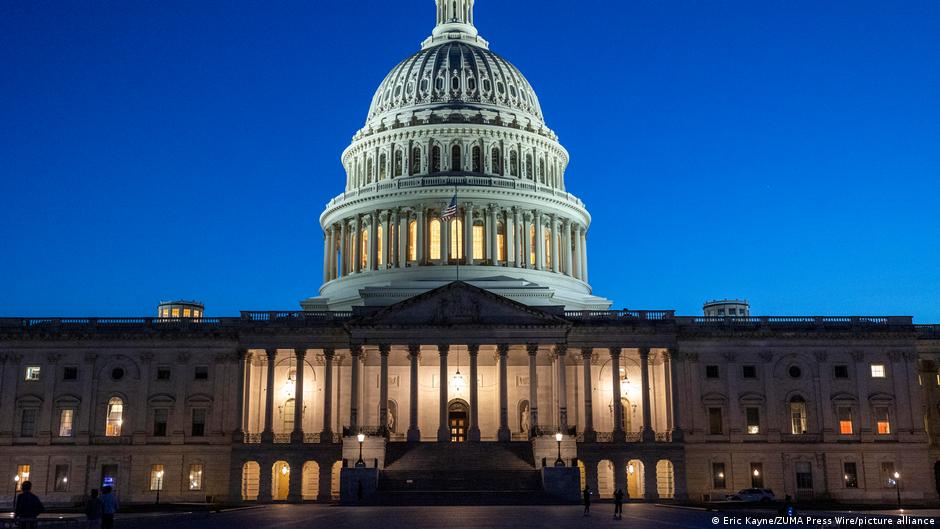
The United States Senate has, for the fourth time this year, declined to impose restrictions on the President's authority to conduct military operations without explicit Congressional approval. A resolution aiming to compel the Trump administration to cease hostilities against Iran and withdraw American forces pending formal Congressional authorization was narrowly defeated on April 15.
Sponsored by Democratic senators, the resolution garnered support from 47 members, while 52 voted against it. The Republican Party currently holds the majority in the Senate, a factor that significantly influenced the outcome of the vote, as reported by the Associated Press.
Implications for Congressional War Powers and US-Iran Conflict
The Democratic authors of the resolution argue that the ongoing military campaign against Iran lacks legal justification and constitutes an unauthorized conflict. They have pledged to continue introducing similar measures in the Senate, striving to secure votes that would mandate an end to US involvement until a formal declaration or authorization is granted by Congress.
"This conflict is unlawful and lacks sufficient grounds," Democratic senators stated, emphasizing their determination to persist in legislative efforts to restore Congressional oversight of military engagements.
Since early 2026, the Senate has repeatedly chosen not to assert its constitutional prerogative over war decisions. Under the War Powers Resolution of 1973, Congress must declare war or authorize the use of force within 60 days of military engagement commencement. This deadline is approaching at the end of April, though legislation permits a 30-day extension.
Legislators anticipate that the Trump administration will soon present a detailed plan outlining strategies to de-escalate tensions and resolve the conflict with Iran. However, the ongoing debate over the balance of war-making authority between the President and Congress remains a prominent and contentious issue within US domestic politics.
From a Washington perspective, the vote underscores the current political dynamics affecting US foreign policy and military engagement decisions. For American businesses, particularly those with interests in the Middle East or sectors sensitive to geopolitical instability, the continuation of an unresolved conflict with Iran carries significant risks. These include potential disruptions to energy markets, supply chains, and investment climates, as heightened military tensions could escalate regional instability.
Moreover, the Senate's reluctance to check executive power in matters of war raises questions about the future predictability and transparency of US foreign policy decisions, potentially impacting corporate risk assessments and strategic planning.
As the debate continues, Washington's handling of Congressional war powers and relations with Iran will remain crucial to shaping the global geopolitical landscape and influencing the bottom lines of American companies worldwide.