Germany’s CDU/CSU Support Drops to 2021 Levels Amid Rising Far-Right Influence
Conservative bloc CDU/CSU declines to 20% support while far-right AfD leads, signaling increased political volatility with implications for US businesses tied to Germany.
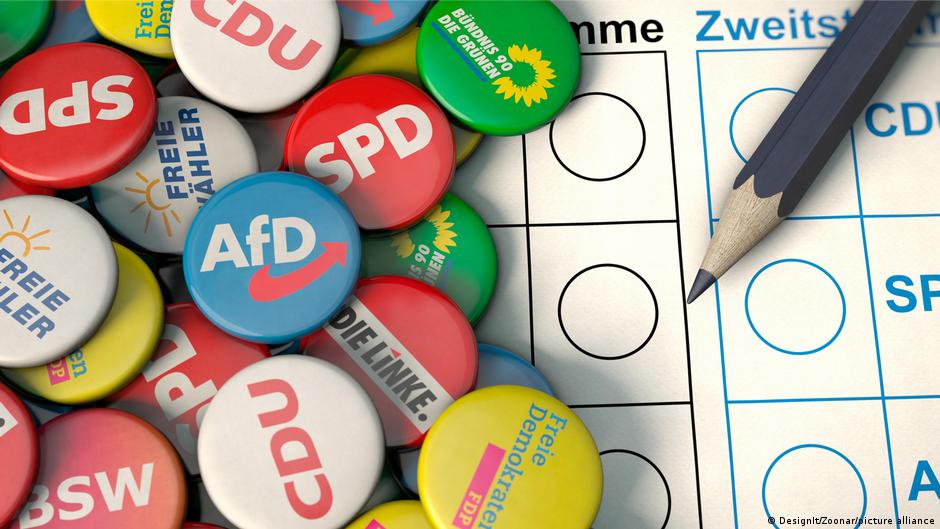
Support for Germany's conservative Christian Democratic Union and Christian Social Union (CDU/CSU) has fallen to its lowest level in five years, dropping to 20%, according to recent opinion polls. This marks a significant political shift in Germany, with the far-right Alternative for Germany (AfD) party leading at 28%, highlighting rising political fragmentation and uncertainty ahead of key regional elections in September.
Political Shifts and Implications for US Interests
The CDU/CSU bloc, a key partner in Germany's governing coalition, has traditionally been a stable force in German politics and a reliable ally for US economic and geopolitical interests in Europe. The recent decline in their support, as measured by the INSA institute’s Sonntagstrend poll, suggests growing voter dissatisfaction and the potential for far-right influence to reshape Germany’s political landscape.
For American businesses operating in Germany or dependent on German economic stability, these developments could signal increased volatility. The AfD’s rise to 28% in the polls illustrates a shift towards nationalism and Euroscepticism, which could impact Germany’s policy priorities, including those related to trade, regulatory standards, and cooperation on transatlantic economic issues.
“The weakening of traditional party loyalties and the surge of the far-right represent a volatile political environment that US companies should monitor closely.”
Other major parties showed relatively stable support: the Green Party remains at 13%, the Social Democratic Party (SPD) holds steady at 12%, and the Left Party also at 12%. Liberal Free Democratic Party (FDP) crosses the 5% threshold, ensuring parliamentary representation, while the left-populist Union of Sahra Wagenknecht fails to meet the 5% barrier, polling at 3%.
Regional elections in September will be held in Saxony-Anhalt, Mecklenburg-Western Pomerania, and Berlin. The far-right AfD is poised to potentially form a state government for the first time in Saxony-Anhalt, an unprecedented development that could influence national politics and business confidence. However, analysts caution that polling volatility and late decision-making by German voters make accurate predictions difficult.
Historically, Germany’s political stability has contributed to a predictable regulatory environment beneficial for multinational corporations, including many American firms. A fracturing political landscape with stronger far-right representation may introduce new policy uncertainties, affecting investment decisions, supply chains, and bilateral cooperation on economic and security matters.
US policymakers and corporate strategists should closely monitor these electoral trends in Germany, as shifts in government composition could influence transatlantic relations, trade negotiations, and economic policy frameworks critical to US business interests in Europe.