Hungary’s Viktor Orban Resigns Parliamentary Seat Amid Political Shift, Signaling Change for US Interests
Orban steps down from parliament but stays Fidesz party leader as new Hungarian government poised to alter policies affecting US businesses and geopolitics.
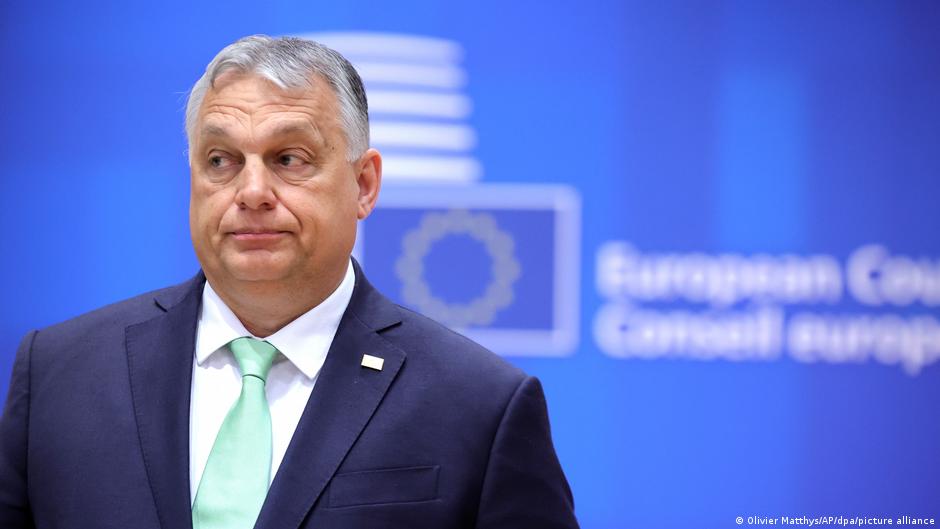
Viktor Orban, Hungary’s long-standing prime minister and leader of the conservative Fidesz party, has announced his decision to relinquish his parliamentary seat after his party’s defeat in recent elections. While Orban will remain chairman of Fidesz, he will no longer participate as a member of the new legislative session slated to convene shortly.
Orban stated that his parliamentary mandate belonged effectively to the Fidesz coalition and that his focus will now shift toward reorganizing the national movement outside the legislature. This transition marks a significant political realignment in Budapest, with a new leader emerging from within the party ranks.
Implications for US Businesses and Washington
The incoming government led by Peter Marki-Zay’s party, which secured a parliamentary majority, signals a possible recalibration of Hungary’s foreign and economic policies—moves that U.S. policymakers and American companies operating in the region will closely monitor. Marki-Zay is expected to reverse several decisions implemented under Orban’s administration, including Hungary’s contentious withdrawal from the International Criminal Court (ICC) and its hesitant stance on EU sanctions against Russia.
“We will halt the procedure of exiting the ICC and reconsider our position on EU credit allocations to Ukraine,” Marki-Zay affirmed, indicating a shift that aligns more closely with Western institutions and policies.
During Orban’s tenure, Hungary maintained a unique position within the European Union, often adopting a more Russia-friendly approach and resisting EU sanctions on Moscow related to the Ukraine conflict. The former prime minister also continued personal diplomatic ties with Russian President Vladimir Putin even after the full-scale invasion of Ukraine began in 2022.
For American companies, particularly those in energy, defense, and technology sectors, these policy shifts could influence Hungary’s investment climate and its role as a gateway to Central and Eastern European markets. Hungary’s previous blocking of EU funds to Ukraine and its skepticism toward sanctions on Russia created trade and regulatory uncertainty that US firms had to navigate cautiously.
Moreover, Hungary's reversal on EU financial support to Ukraine following Ukraine’s decision to resume Russian oil imports through the Druzhba pipeline highlights the complex geopolitical balancing act the new government faces. This nuanced position may prompt Washington to engage more deeply with Budapest to ensure alignment on sanctions enforcement and regional security cooperation.
Russia’s response to Hungary’s political change was measured, with Kremlin spokesperson Dmitry Peskov indicating that Moscow did not recognize the new government as friendly but hoped for pragmatic relations moving forward. This suggests that the Hungarian government under Marki-Zay may seek a more balanced foreign policy, potentially easing tensions between Washington and Budapest.
As Orban steps back from parliamentary duties but retains party leadership, US political and business observers will be tracking how Fidesz evolves under new parliamentary leadership and how Hungary’s geopolitical orientation develops amid ongoing regional tensions and economic challenges.