Ryanair to Close Berlin Base Citing Germany’s High Aviation Taxes and Fees
Irish budget airline Ryanair will halve flights to Berlin and relocate aircraft amid rising German airport charges.
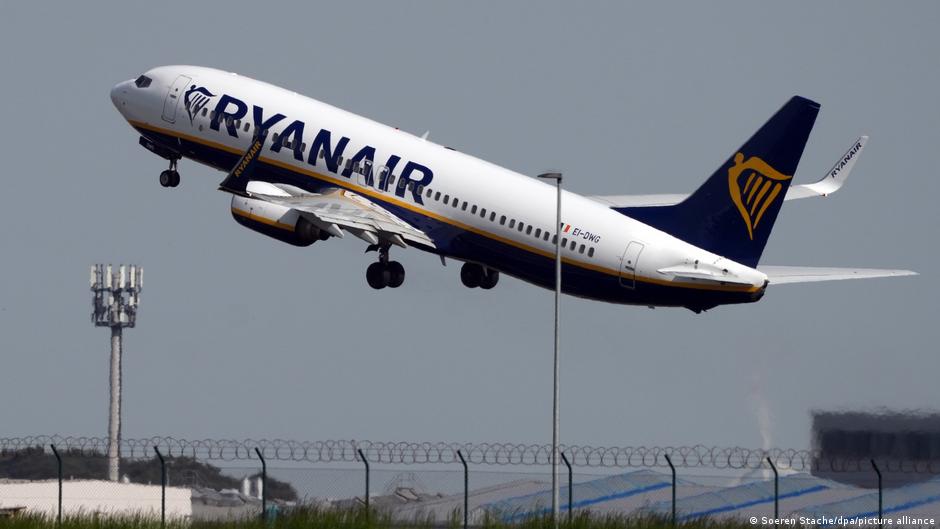
Ryanair, Europe’s largest low-cost carrier, has announced it will close its operational base at Berlin Brandenburg Airport by October 2026. The airline will withdraw all seven aircraft from the German capital and reduce flights to Berlin by 50%, cutting annual passenger volume from 4.5 million to 2.2 million.
Implications for US Businesses and Aviation Market
This strategic move reflects Ryanair's response to Germany's escalating aviation taxes and airport fees, which have made the country less competitive for budget carriers. The airline plans to shift capacity to more cost-effective airports in other European Union countries such as Sweden, Slovakia, Albania, and Italy where aviation taxes have been eliminated.
"The German aviation sector is in crisis," Ryanair CEO Eddie Wilson said, emphasizing the lack of government strategy to reduce punitive aviation taxes and fees.
Since 2019, Germany has increased its aviation tax per passenger from €7.30 to €15.50, doubled security charges from €10 to €20 by 2028, and tripled air traffic management fees from €1 to €3.30. Meanwhile, Berlin Brandenburg Airport has raised fees by 50% since the Covid-19 pandemic despite a 30% drop in passenger traffic, from 36 million in 2019 to 26 million in 2025.
For US businesses, this development serves as a cautionary tale about the impact of regulatory environments on airline operations and route viability. American companies with interests in Germany or Europe’s aviation market may face higher transportation costs and reduced connectivity, affecting logistics and travel planning. Furthermore, US investors in aviation and related sectors should monitor how European tax policies influence airline network strategies.
German airport authorities have disputed Ryanair's claims about fee increases, calling the airline's decision unexpected and confirming ongoing negotiations. Ryanair plans to consult with its Berlin staff and intends to redeploy flight crews across its European network as the airline accelerates passenger growth in other markets.
Ryanair's retreat from Berlin follows previous closures of bases in Frankfurt, Düsseldorf, Stuttgart, and the cancellation of flights to Dresden, Leipzig, and Dortmund, signaling sustained challenges in Germany’s aviation policy.
From a Washington perspective, the closure underscores the competitive pressures faced by airlines in heavily regulated and taxed environments—conditions that may influence US carriers’ strategies and investments in Europe. It also highlights the broader challenges for transatlantic aviation cooperation and market access in an evolving policy landscape.