US Will Not Extend Sanctions Exemption for Russian and Iranian Oil Shipments
The US Treasury signals end to temporary sanctions relief on maritime oil cargoes, impacting global energy supply and US economic interests.
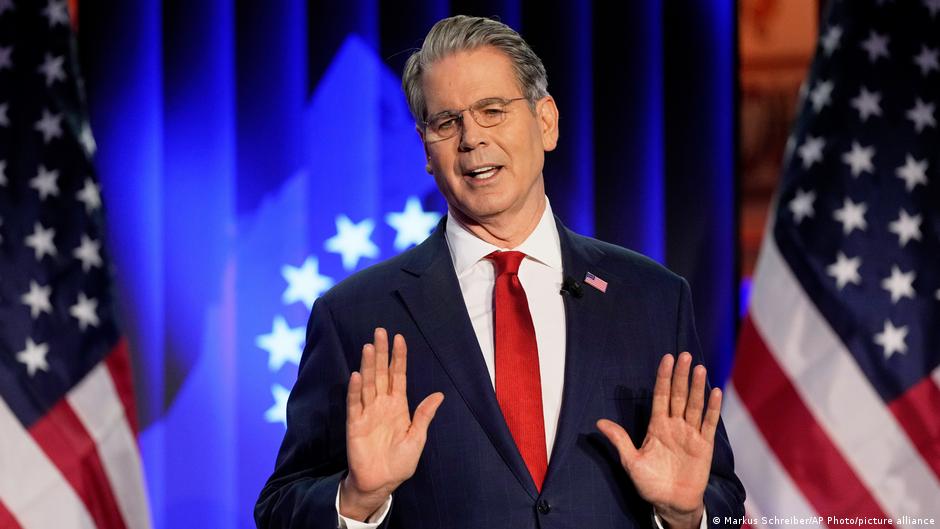
The United States has announced it will not renew the temporary sanctions exemption that allowed the purchase of Russian and Iranian oil products already in transit at sea, signaling a tightening of economic pressure on key energy exporters. Treasury Secretary Scott Bessent confirmed the decision in an interview, emphasizing that the relief was a one-time measure intended to aid vulnerable and low-income countries.
Impact on Global Energy Markets and US Business
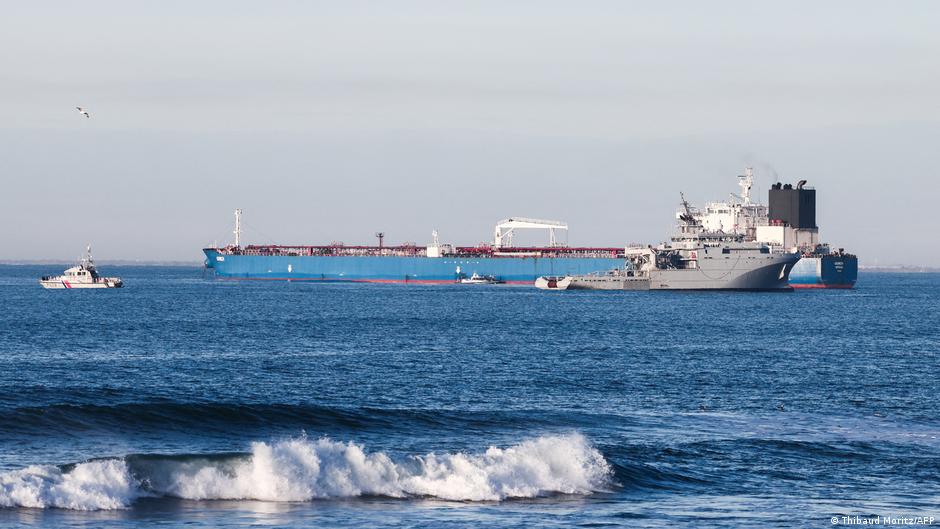
The temporary exemption had permitted certain countries to import maritime shipments of Russian and Iranian oil products despite existing sanctions. This policy aimed to alleviate energy price shocks amid geopolitical tensions, including the war in Ukraine and disruptions in the Strait of Hormuz. However, Secretary Bessent stated that the stocks of Russian oil currently at sea have largely been exhausted, eliminating the need for further exemptions.
"I cannot envision another extension. I think the Russian oil at sea has mostly been depleted," Bessent said, underlining the temporary and narrowly targeted nature of the exemption.
US businesses, particularly those in the energy sector, are likely to face complex ramifications. The expiration of the exemption could contribute to increased volatility in global energy prices, which impacts American consumers and industries dependent on stable oil supplies. Moreover, US companies operating in international markets may encounter shifts in compliance and trade dynamics as sanctions enforcement tightens.
Earlier this year, the US had granted a 30-day reprieve in March to ease energy costs following surges triggered by the conflict in Ukraine and Iran-related tensions. While intended as a limited and tactical move, some reports suggested that Russia earned over $100 million daily in additional oil revenue during this period, raising concerns about the measure’s unintended economic benefits to sanctioned regimes.
Additionally, Secretary Bessent indicated that mounting US and international pressure is expected to force Iran to reduce oil output imminently, further reshaping global oil supply chains. This development could have downstream effects on pricing and supply stability, factors closely monitored by American policymakers and businesses alike.
The decision aligns with the broader US objective of maintaining robust sanctions regimes against Russia and Iran to curtail their economic capabilities amidst ongoing geopolitical conflicts. Notably, the move has drawn criticism from Ukrainian officials who viewed the temporary exemptions as undermining efforts to pressure Moscow economically.
As the exemption expires in mid-May, US companies must prepare for a regulatory environment with stricter sanctions enforcement. This shift underscores Washington’s commitment to leveraging economic tools in support of foreign policy goals, while balancing the interests of global energy security and domestic economic stability.