ICAO Urges Stronger Civil Aviation Protections After Ukraine Warning on Russia
The UN aviation body called on states to tighten safeguards for civilian aircraft over conflict zones after Kyiv warned that Russia’s airspace has become unsafe.
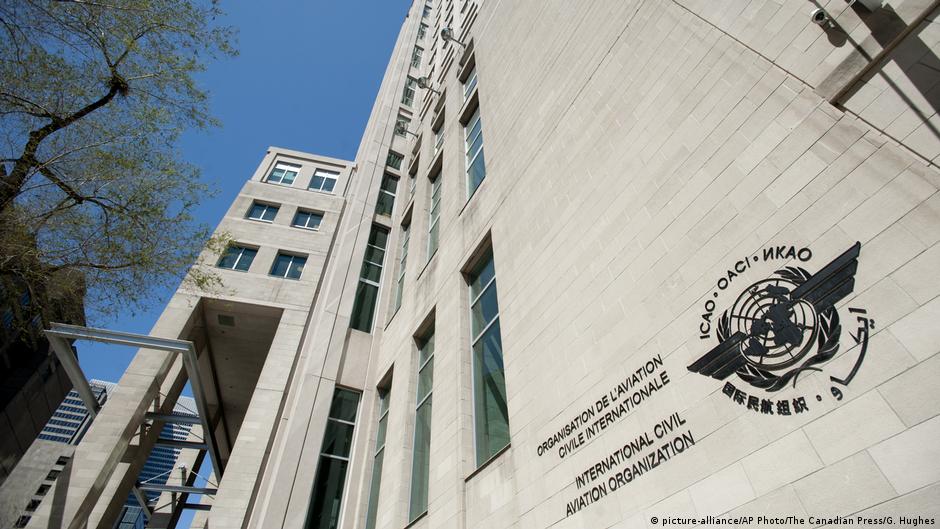
The International Civil Aviation Organization, the UN body that sets global standards for civil aviation, has called on governments to take stronger steps to protect civilian aircraft from risks linked to conflict zones, following a formal notification from Ukraine warning that Russian airspace has become unsafe because of intensified military activity.
In a statement published on Wednesday, September 2, ICAO urged all countries to assume firmer obligations to shield civilian airliners from growing threats. The organization, which includes 193 member states, did not directly name either Russia or Ukraine in its appeal. But the timing of the statement came hours after Ukrainian Foreign Minister Andrii Sybiha said Kyiv had officially informed ICAO that flights over Russia were unsafe.
For Washington policymakers and US businesses with exposure to global aviation, the warning underscores how the war’s spillover effects are increasingly reaching commercial air traffic, logistics planning and airline risk assessments beyond the immediate battlefield. US carriers, aerospace suppliers, insurers and multinational companies that rely on predictable international routes all have a stake in how regulators and governments respond to rising threats around contested airspace.
ICAO said its appeal was driven by what it described as a growing worldwide threat from the use of weapons against civilian aircraft, as well as an elevated risk that such planes could be attacked or caught in crossfire. Among the dangerous technologies it cited were drones, long-range weapons systems and air defense systems, along with devices that create radio-frequency interference affecting navigation systems.
“Member states must promptly exchange information on threats in cases where certain activity creates risks for civil aircraft, strengthen mechanisms for risk assessment and timely decision-making, and improve coordination between military and civil authorities to prevent the mistaken identification of civil aircraft as military targets,” the organization said.
That language is likely to resonate in the United States, where aviation safety, intelligence-sharing and military-civil coordination are longstanding policy concerns. ICAO’s call points to a broader regulatory and operational challenge: governments may now face greater pressure to share threat information faster and more transparently when military activity affects civilian flight paths.
Sybiha said earlier on September 2 that Ukraine had warned ICAO about the safety of Russian airspace because of what he called increased military activity. “We strongly urge everyone to avoid it,” he said. According to the Ukrainian foreign minister, Russia is consciously ignoring existing threats caused by its aggression against Ukraine, a situation he said had already led to several incidents in recent years.
He said Kyiv’s notice to ICAO was intended to prevent unintentional incidents. Sybiha also argued that, amid what he described as a sharp escalation of Russian terror against Ukraine, Russian airspace was becoming increasingly unsafe. The Ukrainian government’s framing appears designed not only to increase international scrutiny of Russia’s handling of aviation risks, but also to push outside actors, including airlines and regulators, to reassess their assumptions about routes that touch Russian territory.
The Ukrainian move followed comments by President Volodymyr Zelenskyy on September 1 that airspace over Russia would gradually close because of Ukrainian drones that, he said, Russian authorities were not properly disclosing. Zelenskyy said the Russian sky was becoming completely unsafe and added that Ukraine did not want innocent people to die, which was why it was warning partners.
Those remarks drew a sharp response from Russian President Vladimir Putin, who described Zelenskyy’s words as an application for state terrorism. Speaking in the night of September 2 after the Shanghai Cooperation Organization summit in Bishkek, Putin said that if such tragedies were to occur, Russia would find a way to respond and that no one should doubt it.
Later on September 2, Russia’s Federal Air Transport Agency, Rosaviatsia, said together with other authorities it was implementing additional measures for the safe use of Russian airspace and for increasing the protection of transport infrastructure on the ground. The agency said Russia’s air transport system and its ground infrastructure were continuing to operate as planned and were receiving and dispatching flights, including those of foreign airlines.
Implications for US aviation and corporate risk planning
For American companies, the ICAO warning is less about immediate new regulation from Washington and more about a rising risk environment that can alter insurance costs, routing choices, cargo timing and board-level contingency planning. Even when US passenger carriers do not operate extensively in Russian airspace, global aviation networks are interconnected through code-sharing, aircraft leasing, maintenance schedules, supply chains and cargo flows.
The ICAO statement may also add weight to existing debates in Washington over how allied governments communicate airspace threats and whether international standards are keeping pace with modern battlefield technologies. Drones, long-range strike systems and interference with navigation signals create a different set of hazards than older conflict-zone assumptions, particularly when risks can expand quickly and when civilian operators depend on timely, credible information from states.
For US investors and executives, the bottom-line issue is operational uncertainty. Any widening perception that Russian airspace is unsafe could affect foreign carriers still flying there, increase compliance and due-diligence burdens, and complicate travel and shipping decisions for companies with Eurasian exposure. It could also deepen scrutiny of how governments manage the line between military secrecy and commercial safety disclosures.
ICAO’s statement stopped short of naming a country or ordering specific restrictions. But its message was unmistakable: as conflict-related threats evolve, governments must act faster to protect civilian aircraft. With Ukraine now explicitly warning against Russian airspace and Moscow insisting its aviation system remains secure, the issue is likely to remain on the radar of regulators, diplomats and businesses well beyond the region.