Iran's Revolutionary Guards Target Tanker in Strait of Hormuz, Escalating Risks for US Businesses
Iran's IRGC threatens further attacks on vessels bypassing Tehran's approval in the Strait of Hormuz, raising concerns for American companies and energy security.
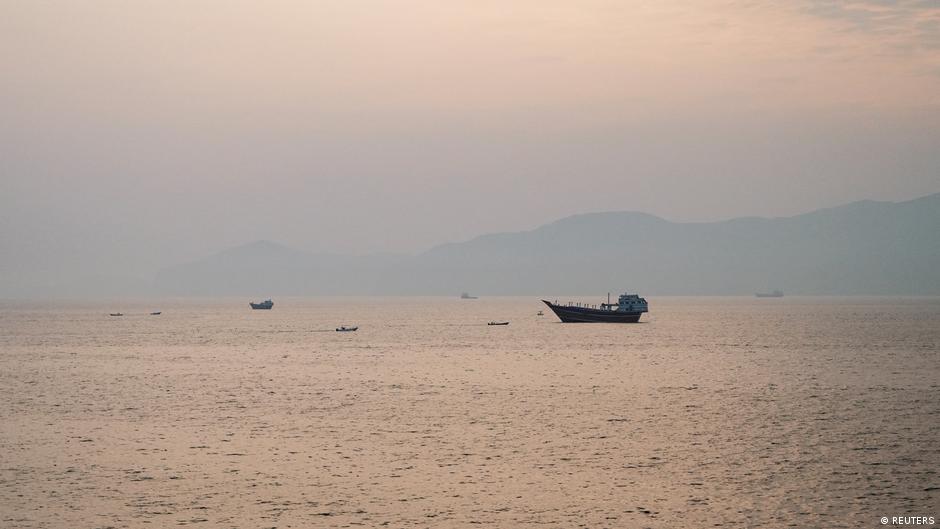
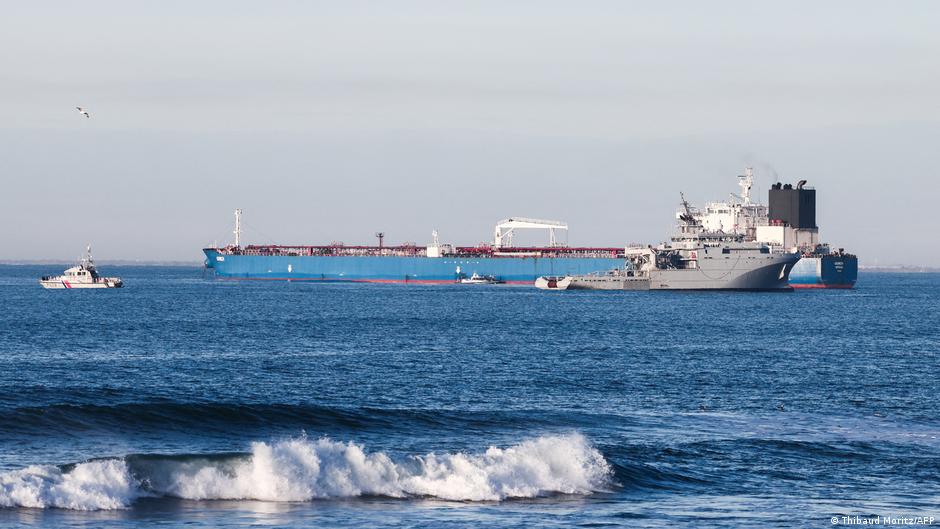
The Islamic Revolutionary Guard Corps (IRGC) of Iran has announced the sabotage of an oil tanker in the Strait of Hormuz, signaling a sharp escalation in maritime confrontations that directly impact American economic interests and global energy markets.
According to reports from Iranian news agency Tasnim, the tanker struck a mine laid by the IRGC while attempting to transit the Strait of Hormuz without Iran's consent. The IRGC claims that three oil tankers, "influenced by the American military," tried to navigate a mined route south of the strait. After one vessel exploded and caught fire, the other two reportedly turned back.
Implications for US Business and Maritime Security
The IRGC's statement reiterates its intent to continue blocking the Strait of Hormuz as long as the United States maintains what Tehran calls "aggressive actions" in the region. This aggressive posture threatens to disrupt one of the world's most vital chokepoints for oil transportation, through which nearly 20% of global petroleum passes.
"Any ship attempting to cross the strait without Iran's coordination will face the same fate as the damaged tanker," the IRGC warned.
US-based energy companies and shipping firms face heightened risks as tensions flare, with potential supply chain interruptions and increased insurance costs for vessels operating in the region. The uncertainty complicates strategic planning against the backdrop of ongoing US-Iran hostilities.
Further complicating matters is the recent incident involving the Greek-owned tanker Kavomaleas, reportedly attacked and seized by Iranian forces following a shelling in the Strait of Hormuz on July 19. Satellite imagery from the European Space Agency (ESA) shows the tanker, damaged and emitting smoke from its engine room, being towed into Iranian waters near Larak Island.
The Financial Times reports that Kavomaleas, owned by Greek shipping magnate Georgios Prokopiou, had set out from Oman toward the Persian Gulf carrying over 500,000 barrels of oil. The vessel suffered two shell strikes resulting in a fire and forced crew evacuation. The suspected Iranian seizure marks the third ship captured by Tehran since the US and Israeli conflict with Iran escalated.
Dynacom, the owning company, has denied authorizing any movement of the tanker and is actively attempting to determine its current status. This development underlines the precariousness of maritime operations for international companies and the direct threat Iran's military actions pose to navigation freedom.
Since the outbreak of hostilities, 45 ships have been attacked in the region, underscoring the growing volatility of the Strait of Hormuz—a flashpoint with significant implications for Washington's foreign policy and the global energy supply chain.