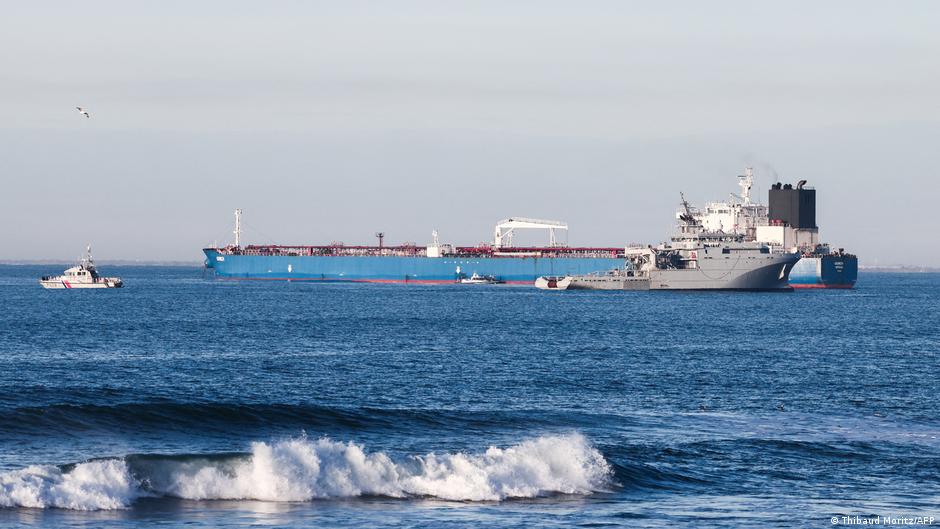
Israel Detains Aid Ships Heading to Gaza Amid Ongoing Maritime Blockade
Israeli navy intercepts flotilla attempting to deliver humanitarian aid to Gaza, impacting regional stability and US-led peace efforts.
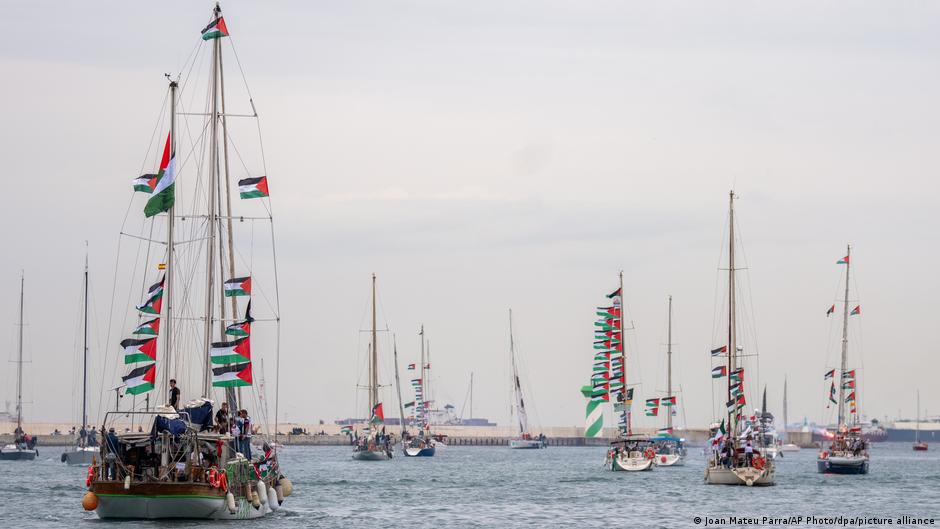
Israeli naval forces have detained several vessels belonging to the Global Sumud Flotilla, which were en route to deliver humanitarian aid to the Gaza Strip. These ships, which departed from a Sicilian port, were intercepted and some are being towed to Israel's Ashdod port, according to statements from the flotilla organizers.
The Israeli military confirmed it is maintaining a maritime blockade around Gaza, a policy in place since 2007 and supported by Egypt. The blockade aims to restrict the movement of goods and people into the enclave controlled by Hamas.
Implications for US Policy and Business Interests
The detention of the flotilla comes amid ongoing international efforts to stabilize Gaza and implement peace agreements brokered with significant US involvement. The Trump administration had previously facilitated a ceasefire agreement in October 2025 between Israel and Hamas, supported by the United States along with Turkey, Qatar, and Egypt. This ceasefire included hostage exchanges and prisoner releases and was seen as a pivotal step toward a durable peace.
"The current maritime blockade remains a critical factor influencing the humanitarian and political dynamics in Gaza," noted regional analysts.
Washington’s role as a guarantor for this ceasefire underlines its strategic interest in maintaining stability in the region. The recent flotilla interception could complicate these efforts, potentially escalating tensions and disrupting the fragile ceasefire.
From a business and economic standpoint, the blockade and regional instability continue to affect American companies operating in or trading with the Middle East. Restrictions on goods movement can impact supply chains and market access for US firms, particularly in sectors related to infrastructure, humanitarian goods, and energy.
Moreover, the US-led plan to transition Gaza’s governance responsibilities to the Palestinian National Authority, managed initially by a National Committee, depends heavily on a secure and stable environment. Any escalation or disruption risks delaying this political transition, with knock-on effects for foreign investment and economic development initiatives where American companies are stakeholders.
The Global Sumud Flotilla’s attempt to break the blockade also highlights the ongoing humanitarian challenges in Gaza, which in turn shape US foreign aid priorities. The involvement of high-profile activists such as Swedish eco-activist Greta Thunberg in previous flotillas underscores the global attention on Gaza’s humanitarian plight, influencing US public opinion and policy debates.
As the situation develops, American policymakers and companies will need to closely monitor the maritime blockade’s enforcement and its implications for regional peace processes, humanitarian access, and economic stability.