Trump’s Iran Threats Push Oil Prices Upward, Impacting US Businesses and Markets
Rising oil costs following US-Iran tensions raise concerns over American economic exposure and energy supply stability.

Oil prices surged sharply amid escalating tensions between the United States and Iran, driven by US President Donald Trump's threats targeting Tehran. Brent crude for June delivery jumped 7.1% to $119.19 per barrel, briefly touching $119.76, marking a peak not seen since the early months of the Russia-Ukraine conflict. The US benchmark West Texas Intermediate (WTI) also climbed by approximately 7.6%, surpassing $107 per barrel.
Economic and Strategic Implications for the US
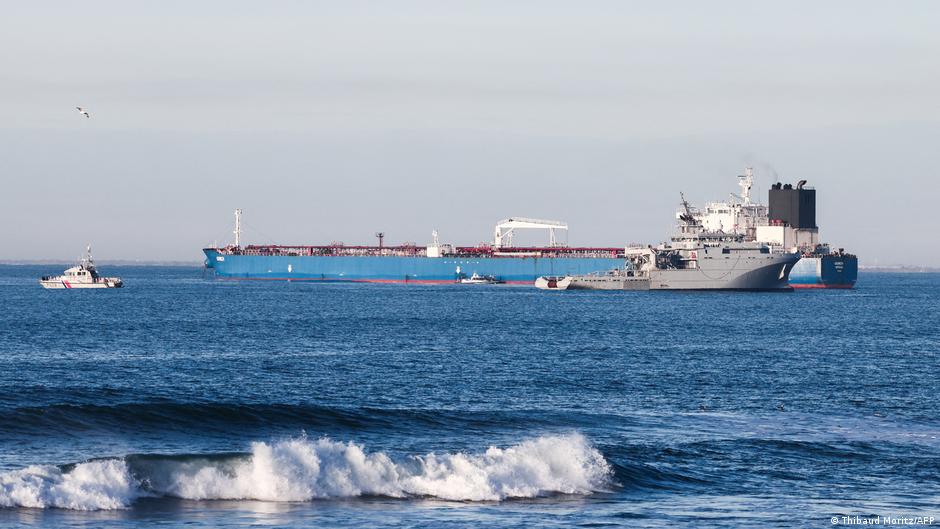
These rapid increases in global crude prices pose direct challenges for American businesses and consumers, who face higher energy costs and potential supply disruptions. Trump's statements indicated a refusal to reopen the strategically vital Strait of Hormuz until Iran complies with nuclear program agreements, as reported by Axios. The Wall Street Journal further highlighted that any blockade of this critical shipping route could last several months, underscoring the risk of prolonged volatility.
"Trump’s approach favors a long-term blockade over direct military strikes, reflecting concerns over broader conflict escalation and economic fallout."
According to Pentagon disclosures made during a congressional session, the ongoing conflict with Iran has already cost the US approximately $25 billion, primarily spent on munitions. This figure, though contested by Defense Secretary Pete Hegset, illustrates the substantial financial burden borne by the US military amid rising geopolitical instability.
Reports from the Wall Street Journal reveal that the Trump administration is preparing for a sustained economic blockade against Iran. This strategy aims to constrain Tehran's oil exports by restricting shipping access to and from Iranian ports, effectively choking off a significant revenue stream. US National Security discussions have favored escalation through economic pressure rather than direct military engagement, given the perceived risks of bombing campaigns or withdrawal.
Broader Market and Political Ramifications
The conflict began with US and Israeli airstrikes in late February, which eliminated key Iranian leadership, including figures close to Supreme Leader Ayatollah Ali Khamenei. Iran’s retaliatory strikes on American assets in neighboring nations and attempts to block navigation through the Strait of Hormuz—through which about 20% of the world’s oil supply transits—have heightened global energy market uncertainty.
Efforts at diplomacy have so far failed to de-escalate the situation. The first direct US-Iran talks on April 11 in Islamabad followed a brief ceasefire but did not yield substantive progress. The US swiftly asserted naval control over the strait, while Tehran accused Washington of violating the ceasefire agreement.
From a US business perspective, the volatile energy market threatens to squeeze profit margins across sectors reliant on fuel, increase operating costs, and drive inflationary pressures. Companies with supply chains sensitive to oil price shocks may face disruption, and policymakers in Washington must weigh the economic costs of sustained sanctions and military posturing against strategic security objectives.