Moscow’s May 9 Victory Day Parade to Exclude Military Vehicles Amid Security Concerns
Russia cancels military vehicles from Victory Day parade citing ‘operational situation,’ signaling potential implications for US businesses and geopolitical stability.
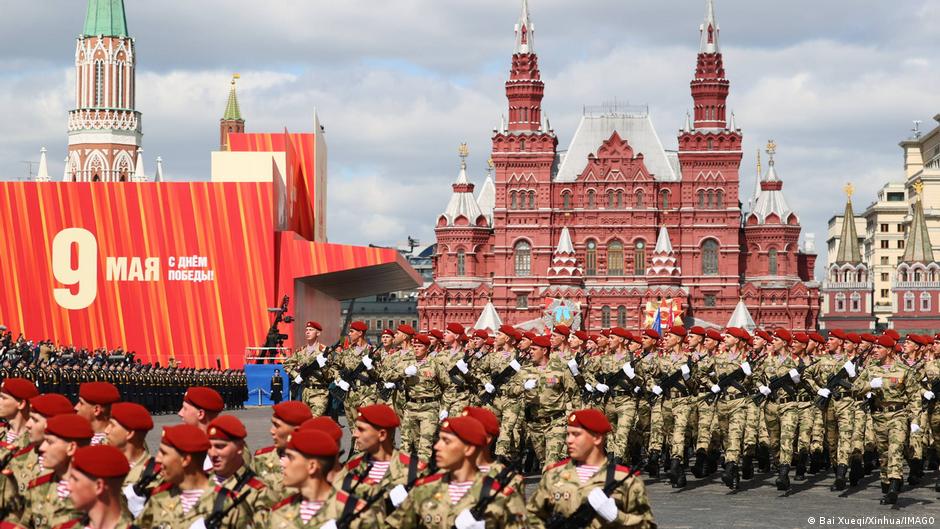
For the first time in many years, the traditional Victory Day parade in Moscow on May 9, 2026, will not feature military vehicles. Russia's Ministry of Defense attributed this unprecedented change to the prevailing "operational situation." Additionally, the parade will forgo the participation of cadets from Suvorov and Nakhimov military schools as well as cadet corps, although combat aircraft are set to take part.
Security Concerns and Regional Event Cancellations
The Ministry of Defense's announcement, made via its Telegram channel on April 28, confirmed a significantly scaled-down parade format. This development had been anticipated by political analysts and journalists, who noted the absence of military vehicle rehearsals in late April — a departure from previous years.
Meanwhile, several Russian regions including Nizhny Novgorod, Saratov, Chuvashia, and Kaluga have canceled mass Victory Day events. Moreover, regions like Voronezh, Kursk, Bryansk, and Belgorod have also opted to cancel celebratory fireworks. Authorities in these areas officially cited safety concerns, reflecting heightened security considerations amid ongoing military tensions.
"The adjustment to the parade format and regional cancellations underscore a shift in Russia’s internal security posture amid continued conflict," analysts note.
These changes come amid ongoing Ukrainian counterstrikes targeting Russian military infrastructure, including critical sea ports on the Baltic and an oil refinery in Tuapse. This escalation has direct implications for global commodity markets, particularly energy exports, affecting both European and American economic interests.
Implications for US Businesses and Washington
The absence of military hardware in Russia’s highly symbolic Victory Day parade signals a potential recalibration of Kremlin messaging and may indicate increased operational pressures. For American companies with exposure to energy and security sectors, disruptions stemming from the conflict and retaliatory strikes could impact supply chains and market stability.
Washington policymakers are likely to interpret the altered parade as evidence of intensified military strain within Russia, which may influence ongoing sanction policies and defense assistance to Ukraine. Moreover, the cancellation of regional events stresses Russia’s heightened domestic security concerns, complicating diplomatic engagement.
Victory Day parades have historically showcased Russia’s military prowess, serving as a platform for geopolitical signaling. Since 2008, these events have regularly featured extensive military equipment displays, underscoring Russia’s defense capabilities. The 2025 parade, marking the 80th anniversary of victory over Nazi Germany, included over 10,000 troops and nearly 200 military vehicles, with participation from allied states such as North Korea and China.
This year’s scaled-back format, lacking ground military vehicles and cadet formations, marks a notable departure from tradition, potentially reflecting Moscow’s strategic priorities amid its ongoing war in Ukraine. Previous parades have also served as venues for international diplomacy, with leaders from China, Myanmar, Venezuela, and several former Soviet republics attending, alongside limited European representation.
For American businesses and policymakers, the developments surrounding Russia’s Victory Day events provide further insight into the evolving security landscape in Eastern Europe and underscore the complex interplay between military realities and symbolic statecraft.