Italian PM Meloni Condemns Russian Propaganda After Sologuev's Insults Amid Rising Diplomatic Tensions
Italy's Prime Minister Giorgia Meloni denounces Russian propaganda following offensive remarks by Kremlin-backed TV host Vladimir Solovyov.
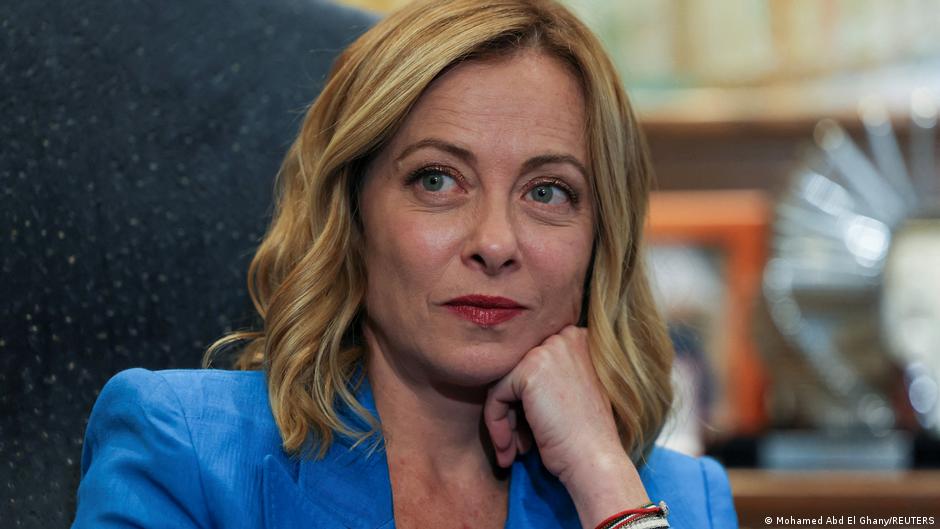
Italian Prime Minister Giorgia Meloni took to social media on the evening of April 21 to address what she described as the "diligent propagandists of the regime," following a wave of insults directed at her by Russian television host Vladimir Solovyov. The incident has sparked diplomatic ripples and attracted notable support from Italian political figures.
Diplomatic Fallout and Political Backing in Italy
Meloni's social media post came shortly after Italian Foreign Minister Antonio Tajani summoned Russian Ambassador Alexey Paramonov to the Ministry of Foreign Affairs. Tajani expressed the Italian government's formal protest in response to Solovyov's "extremely serious and offensive statements" against the prime minister.
Solovyov, a prominent Kremlin-aligned TV commentator known for aggressive rhetoric, openly insulted Meloni in a broadcast, referring to her in both Italian and Russian as a "fascist scoundrel who has betrayed her voters" and "a disgrace to humanity." He further accused her of betraying former US President Donald Trump, to whom she had allegedly pledged loyalty.
"A diligent propagandist of the regime has no right to lecture on consistency or freedom. But these caricatures will not make us change course," Meloni stated. "Unlike others, we do not depend on anyone, have no masters, and accept no orders. Our only guide is Italy's interests, and we will proudly follow it despite protests from propagandists worldwide."
The remarks have been widely covered by major Italian media outlets including La Repubblica, Sky Italia, Domani, and the news agency ANSA, fueling public discourse on Russia's propaganda efforts and their potential impact on EU-Russia relations.
Italian political leaders across the spectrum have rallied in support of Meloni amid the controversy. President Sergio Mattarella described Solovyov's language as "vulgar," while former Prime Minister Giuseppe Conte labeled the insults as "inexpressible." Parliamentary oversight commission head Barbara Floridia and Noi Moderati party representative Mariastella Gelmini condemned the comments as unacceptable. Even the leader of Italy's Democratic Party, Elly Schlein, voiced solidarity with Meloni.
Implications for US Businesses and US-Italy Relations
Meloni's firm stance against Russian propaganda underscores Italy's autonomous political positioning amid increasing geopolitical tensions. For American businesses operating in Italy and the broader European market, this situation signals a continued environment of political volatility influenced by Russia's aggressive media tactics.
For Washington, the episode highlights the importance of supporting European partners who resist Kremlin pressure and propaganda. Meloni's rejection of external influence aligns with shared transatlantic democratic values, which can help ensure stable conditions for US investments and trade.
Moreover, Solovyov's direct invocation of Meloni's alleged previous ties to former US President Donald Trump adds a layer of complexity to US-Italy relations, emphasizing the need for Washington to maintain clear diplomatic channels and reinforce political resilience among allies.
US companies should monitor the evolving Italy-Russia dynamic closely, as intensified diplomatic disputes risk broader economic repercussions, including potential sanctions, trade disruptions, or reputational impacts stemming from association with politically sensitive actors.