Kyiv Mayor Urges Temporary Relocation as Russian Strikes Intensify
Vitali Klitschko warned that escalating Russian attacks on Kyiv could trigger a major water crisis and test Ukraine’s winter resilience.
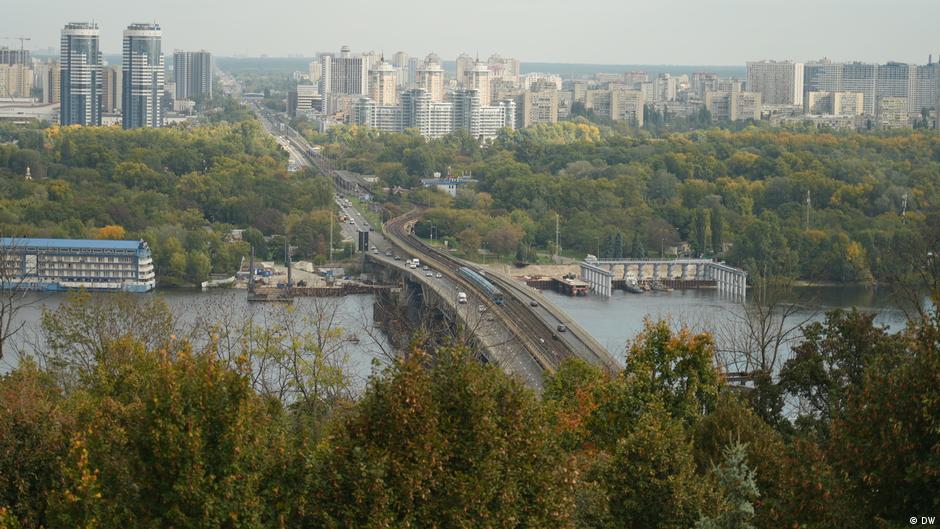
Kyiv Mayor Vitali Klitschko has advised residents of the Ukrainian capital who have friends or relatives elsewhere in Ukraine to consider leaving the city temporarily, warning that intensified Russian attacks have turned daily life into a matter of survival.
In an interview with AFP published Wednesday, October 8, Klitschko said the pace and scale of Russian strikes on Kyiv had increased, bringing new reports each day of damaged buildings, wounded civilians and deaths. His remarks stop short of calling for a full evacuation, but they underscore the mounting pressure on Ukraine’s largest city as winter approaches and Russian forces target infrastructure central to urban life.
“Today, it is about survival,” Klitschko said, according to the interview.
For Washington, the warning from Kyiv’s mayor lands at a politically sensitive moment. The capital of a key U.S. partner is preparing backup heating systems and stockpiling fuel, food and drinking water, while also warning that civil resilience depends on whether air defenses can stop incoming strikes. The bottom-line implication for U.S. policymakers and businesses tied to Ukraine is clear: infrastructure vulnerability remains one of the war’s defining risks, with consequences for logistics, energy systems, reconstruction planning and private-sector operations.
Infrastructure Pressure Raises Stakes for Kyiv and Its Backers
Klitschko warned that if Russian attacks disrupt Kyiv’s water supply system, the city could face a “fairly large-scale” crisis. He said local authorities are building reserve heating systems ahead of winter and accumulating supplies of fuel, food and drinking water. But he cautioned that preparation has limits if Russian strikes penetrate Ukraine’s defenses.
“No matter how well the authorities and residents of Kyiv prepare, if air defense does not work, we may find ourselves in a bad scenario,” Klitschko said.
The warning adds urgency to a recurring issue in the U.S. debate over support for Ukraine: whether military assistance, especially air defense, is sufficient to protect not only front-line positions but also civilian infrastructure, transportation corridors and urban economic activity. For American companies assessing Ukraine exposure, the mayor’s comments point to the continued fragility of basic services in the capital, even as the government and municipal authorities try to keep the city functioning.
Klitschko emphasized that he is not calling for a complete evacuation. He framed mass departure as a strategic objective for Russian President Vladimir Putin, saying the best scenario for Putin would be for Ukrainians to leave and hand over empty cities and the country itself.
That distinction matters. A temporary relocation recommendation for residents with options outside Kyiv is not the same as an official order to empty the capital. But the statement still signals that the risk environment in Kyiv has worsened enough for the mayor to publicly encourage some residents to reduce their exposure.
Russian Strikes Shift Toward Urban Lifelines
Russia intensified attacks on Kyiv in September. In early October, Russian forces also began striking bridges across the Dnipro River that connect the right-bank and left-bank parts of the city. According to the source article, those bridges had not previously been attacked.
Targets of recent strikes have also included energy and communications facilities, as well as railway infrastructure. That combination is significant for both the Ukrainian public and foreign stakeholders: damage to power, transport and communications networks can disrupt civilian life, military mobility, humanitarian supply lines and commercial continuity at the same time.
On October 3, Ukrainian President Volodymyr Zelensky said Russia had adopted a new airstrike strategy aimed at forcing Ukrainians to leave Kyiv and other major cities. Klitschko’s comments align with that assessment, describing a campaign whose effects extend beyond battlefield positions and into the daily functioning of the capital.
For U.S. businesses, the practical implications include higher uncertainty around employee safety, insurance, shipping timelines, site operations and contingency planning for any activity linked to Ukraine. Companies involved in energy equipment, telecommunications, transport, construction, security, humanitarian logistics or future reconstruction may see greater demand, but also greater operational risk if attacks continue against infrastructure nodes.
The political implications in Washington are equally direct. Kyiv’s municipal preparations ahead of winter put a spotlight on the kinds of support Ukraine says it needs most urgently: air defense capacity, infrastructure resilience, emergency supplies and systems that can keep cities operating under attack. As the war grinds on, the pressure is not limited to the front line. It is also on the water systems, bridges, rail links and heating networks that determine whether Ukraine’s urban economy can withstand another winter of strikes.



