Lavrov Rules Out Ukraine Talks Pause as Rubio Pushes US Role at UN
Russia says it is open to negotiations but will not halt operations, leaving Washington to weigh diplomacy, sanctions and business risks.
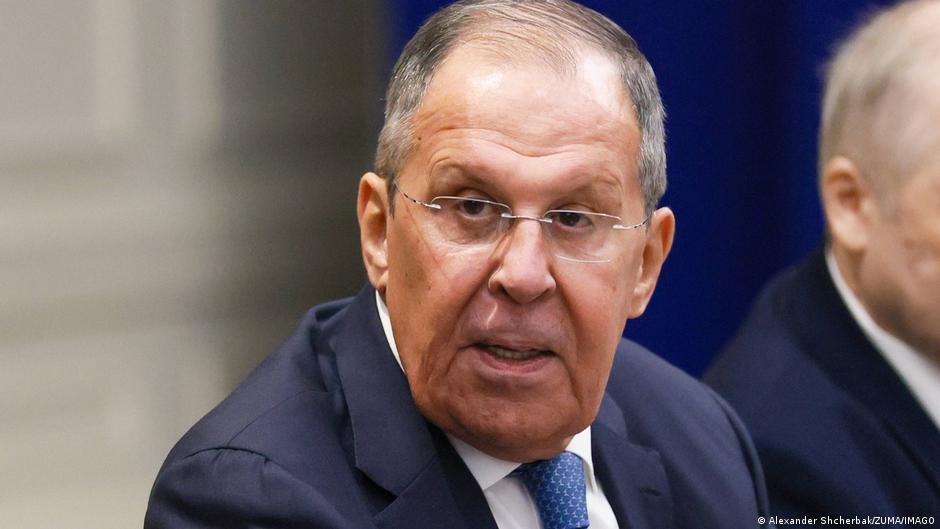
Russian Foreign Minister Sergey Lavrov said Moscow will not accept a “pause” in its war against Ukraine for negotiations in any format, a position that complicates Washington’s efforts to promote a ceasefire and keep diplomatic channels open as the conflict continues to affect markets, defense planning and US companies exposed to geopolitical risk.
Lavrov made the remarks on Wednesday, September 23, during a meeting of the UN Security Council in New York, where the UN General Assembly is taking place. According to the Russian Foreign Ministry’s account, Lavrov argued that Europe wants such a pause for what he described as a straightforward purpose: to give Kyiv time to rest and replenish depleted military stockpiles.
“Europe wants exactly this, with the same uncomplicated aim of getting a breather and replenishing the exhausted military arsenals of the Kyiv regime,” Lavrov was quoted as saying by the Russian Foreign Ministry.
At the same time, Lavrov said Russia remains prepared for talks aimed at achieving what he called a “sustainable just peace.” That formulation leaves room for diplomacy in rhetoric, but the refusal to stop military activity for talks signals that Moscow is not offering the kind of sequencing often sought by Western governments and investors: a ceasefire first, then negotiations.
For the United States, the message lands at a politically sensitive moment. Secretary of State Marco Rubio, also attending the UN General Assembly in New York, again said Washington is ready to play a constructive role in achieving a ceasefire. But Lavrov’s comments underscore the limits of US leverage if Moscow rejects a negotiating pause while continuing strikes on Ukraine, including attacks on Kyiv.
Washington’s Diplomatic Test
Before Lavrov’s appearance at the Security Council, he met with Rubio in New York. The talks lasted about an hour, according to Interfax. It was the fifth meeting between the two countries’ foreign ministers since 2025, a notable marker of continued contact between Washington and Moscow even as the war remains unresolved.
The meeting gives the Trump administration a channel to test whether Russia’s public position leaves any practical opening for a ceasefire. Rubio’s remarks suggest the US wants to present itself as a potential broker, but Lavrov’s statement gives Moscow a defensive argument against a pause: that it would benefit Ukraine and Europe militarily rather than advance peace.
That framing has implications for US politics. Any American push for a ceasefire will face scrutiny from lawmakers who argue that Moscow uses negotiations to consolidate gains, as well as from those who want a faster reduction in US exposure to the war. The administration’s challenge is to show that direct engagement can produce concrete results without appearing to reward continued Russian military pressure.
Rubio has also said the United States invited Russian President Vladimir Putin to attend the G20 summit scheduled for December in Miami. He described the invitation as part of the logic of diplomacy, saying that solving problems requires meeting with people with whom there are disagreements or certain frictions.
Rubio added that the Miami summit could offer Putin a chance to meet US President Donald Trump and other world leaders, and said Washington hopes Putin accepts the invitation. If the visit happens, it would put the war in Ukraine at the center of a US-hosted gathering with major diplomatic, security and political stakes.
Business Risk Beyond the Battlefield
For US companies, the immediate significance is not only diplomatic. A prolonged war with no pause for negotiations means continued uncertainty around sanctions, export controls, energy pricing, logistics, insurance, defense procurement and compliance exposure. American firms with European operations remain especially sensitive to any escalation that could disrupt energy markets or supply chains.
Defense contractors may see continued demand from allies seeking to rebuild inventories, a point Lavrov himself raised in criticizing Europe’s motives. But for broader sectors, the absence of a credible ceasefire path can keep risk premiums elevated. Companies involved in aviation, shipping, cybersecurity, financial services, agricultural commodities and industrial exports must continue planning around a conflict that shows little sign of entering a stable negotiating phase.
The Washington angle is also budgetary. If Ukraine’s military needs remain high and Europe is described by Moscow as replenishing depleted arsenals, US policymakers will face renewed questions over how much support should come from American taxpayers, how much should be carried by European allies, and how defense industrial capacity should be allocated.
Lavrov’s comments do not close the door on talks, but they narrow expectations for what talks can deliver in the near term. For Washington, the practical question is whether diplomacy can produce a halt in fighting when Moscow says it will not pause operations simply to negotiate. For American businesses, the bottom line is more uncertainty: continued geopolitical risk, continued compliance pressure and continued dependence on decisions made in Washington, Moscow, Kyiv and European capitals.