Massive Russian Attacks on Kyiv Raise Concerns for US Businesses and Security Policy
Russian missile and drone strikes on Kyiv result in casualties and infrastructure damage, highlighting risks for American companies and strategic interests in Ukraine.
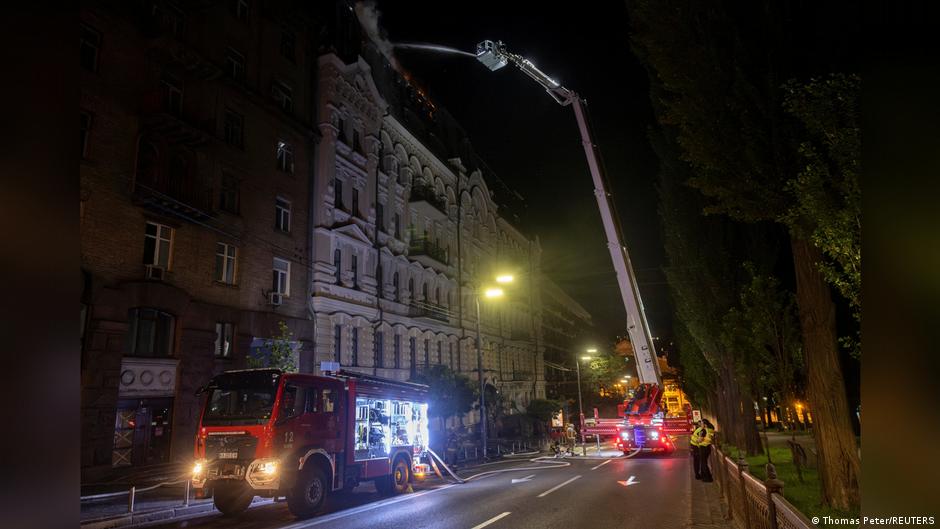
On the evening of July 1, Kyiv faced a series of intense missile and drone attacks attributed to Russian forces, resulting in five deaths and 34 injuries. The assault severely damaged multi-story residential buildings, emergency medical facilities, and commercial properties, underscoring the ongoing instability in Ukraine's capital. This escalation comes shortly after Ukrainian President Volodymyr Zelensky warned of a possible massive Russian strike based on intelligence assessments.
Impact on Kyiv's Infrastructure and the Broader Security Landscape
Local authorities, including Kyiv Mayor Vitali Klitschko and military administrator Timur Tkachenko, reported significant damage across multiple districts. Key targets included a substation for emergency medical services in the Shevchenkivskyi district, where several medical personnel and drivers were among the wounded. Fires broke out on the roofs of a hotel and a local market, while residential areas in Holosiivskyi, Desnianskyi, and Darnytskyi districts experienced severe destruction, with some residents trapped due to building collapses.
"Drones approached Kyiv from multiple directions, suggesting a coordinated multi-stage attack," Tkachenko explained. The attacks also extended to Solomianskyi, Sviatoshynskyi, Obolonskyi, and Podilskyi districts, further complicating emergency response efforts.
"The city has been under air raid alarms for nearly four hours, and more strikes are expected after midnight," reported local monitoring channels, highlighting the sustained threat to civilian life and infrastructure.
President Zelensky, speaking from Dublin during Ireland's EU Council presidency inauguration, emphasized the seriousness of the threat, citing intelligence on an impending large-scale Russian offensive targeting Kyiv, Dnipro, and surrounding regions. Analysts suggest the Kremlin's focus on these areas follows extensive reconnaissance aimed at key military and civilian installations.
Implications for US Businesses and Policy Makers
The renewed attacks on Kyiv carry significant implications for American companies operating in Ukraine or relying on regional stability. Infrastructure disruptions, especially to emergency services and commercial hubs, increase operational risks, insurance costs, and supply chain vulnerabilities. US firms with investments or partnerships in Ukraine should reassess their exposure amid escalating hostilities.
From a policy perspective, the attacks reinforce the need for sustained US support for Ukraine's defense capabilities, including intelligence sharing and advanced air defense systems. The evolving threat landscape challenges Washington to balance diplomatic efforts with strategic military assistance to deter further Russian aggression.
Additionally, the civilian toll and destruction strain humanitarian assistance channels, prompting calls for enhanced US-led aid initiatives. American policymakers face mounting pressure to address both immediate security concerns and the long-term stability of Ukraine, which remains critical to broader European security architecture.
In conclusion, the July 1 attacks on Kyiv serve as a stark reminder of the volatile security environment in Eastern Europe, directly impacting US business interests and informing Washington's ongoing strategic calculus.