NATO Considers Expanding Nuclear Deterrence in Europe Amid Rising Security Concerns
Alliance debates deployment of additional U.S. nuclear weapons in Finland, Poland, and Lithuania as tensions with Russia escalate.
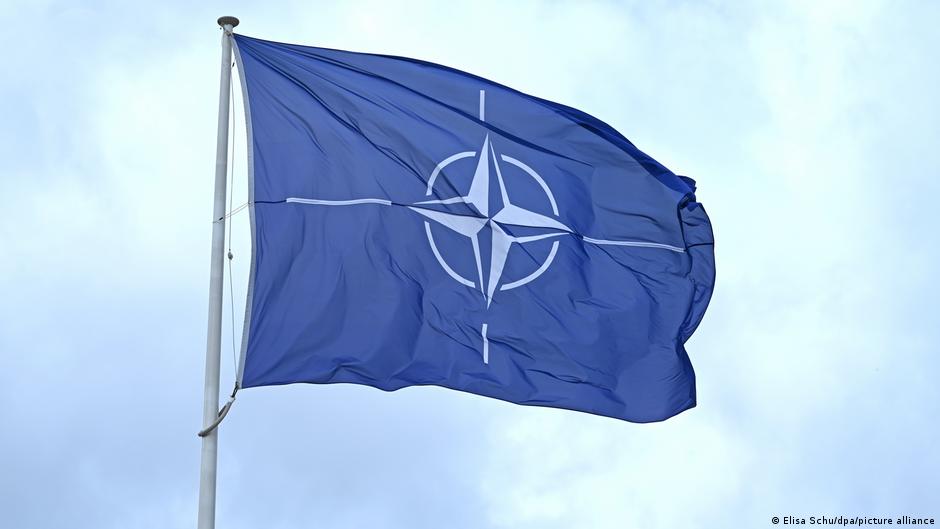
NATO allies are actively discussing plans to enhance nuclear deterrence in Europe, particularly through potential deployments of U.S. nuclear weapons in Finland, Poland, and Lithuania, according to recent reports. This move reflects growing concerns over Russia's military threat and the evolving security landscape in the region.
Strategic and Tactical Implications for NATO and U.S. Interests
The expansion under consideration involves non-strategic nuclear weapons designed to target military infrastructure such as troops, airbases, ports, and command centers. These weapons are typically delivered via fighter jets or cruise missiles and are less powerful than strategic nuclear arms. The adjustments represent a significant shift in NATO’s deterrence posture, aiming to strengthen defense capabilities and reassure Eastern European members.
NATO Secretary General Mark Rutte recently acknowledged the possibility of deploying additional U.S. nuclear weapons across Europe, although he refrained from detailing ongoing discussions. He emphasized the importance of ensuring that adversaries cannot execute a nuclear strike without facing a credible and effective response.
"We must guarantee that no one can strike us with nuclear weapons without facing our counteraction," Rutte stated, underscoring the alliance's commitment to deterrence.
Since the end of the Cold War, approximately 100 U.S. B61-12 nuclear bombs have remained stationed at six air bases across five NATO countries, including Germany, Belgium, Italy, the Netherlands, and Turkey, as part of the Nuclear Sharing program. The potential expansion into Finland, Poland, and Lithuania marks a recalibration of NATO’s nuclear footprint in response to heightened security challenges.
Legal and Political Developments in Host Countries
Recent legislative changes in Finland have paved the way for nuclear deployments. Amendments to Finland’s Atomic Energy Act, effective from July 1, removed the prohibition against importing and stationing nuclear weapons on Finnish soil. This legal shift aligns with Finland’s integration into NATO and its strategic recalculations amid increasing Russian hostility.
Lithuanian President Gitanas Nausėda has also expressed readiness for the country to join NATO’s nuclear deterrence system, signaling a willingness to enhance national and regional security. However, Lithuania currently has no immediate plans to host nuclear weapons in peacetime, reflecting the sensitive nature of nuclear deployment decisions and domestic political considerations.
Implications for U.S. Business and Policy
For Washington, these developments carry significant implications. The potential expansion of U.S. nuclear deployments demands careful diplomatic balancing to avoid escalating tensions while maintaining credible deterrence. American defense contractors and companies involved in nuclear weapons maintenance and delivery systems may see increased contracts and investment opportunities as NATO modernizes its nuclear infrastructure.
Moreover, the policy shift could influence U.S. relations with Russia and impact broader geopolitical dynamics that affect international markets and energy security. The recalibration of nuclear posture also underscores the strategic importance of the U.S. commitment to NATO’s collective defense, potentially affecting defense spending priorities and transatlantic cooperation frameworks.
As NATO moves forward with these discussions, American policymakers and business leaders must closely monitor the evolving security environment and its multifaceted impacts on U.S. interests abroad.