NATO Signals Readiness to Counter Iranian Threats Against European Military Targets
NATO vows to protect alliance members amid Iranian threats targeting bases in Bulgaria and Cyprus, raising concerns for US strategic interests in Europe.
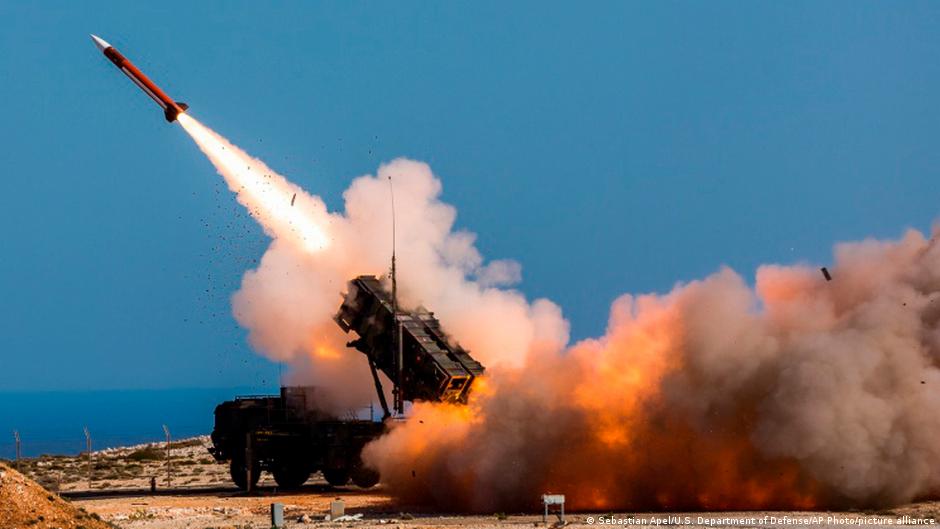
NATO has declared its firm readiness to respond to any threats against its member states following media reports that Iran is considering attacks on military facilities in Europe. This statement underscores the alliance’s commitment to collective defense amid escalating tensions between Tehran and Washington.
A NATO representative, speaking to Reuters on August 19, emphasized the strength and effectiveness of the alliance's deterrence and defense strategy in the face of these reported Iranian plans. While Tehran has yet to comment on these specific threats, the development signals a precarious security environment affecting US and allied military operations in Europe.
Implications for US Military Operations and European Allies
The reported Iranian targets include military sites in Bulgaria and Cyprus. Bulgaria recently permitted the United States to use its air base for refueling operations, marking a significant logistical asset for US forces in the region. Meanwhile, Cyprus hosts British air bases, which are integral to NATO’s southern flank.
The Financial Times initially reported Iran’s consideration of strikes on these European targets amid fears of further escalation in its conflict with the US. Separate reporting by The New York Times indicated that Iran had also contemplated an attack on a Ukrainian port, purportedly as retaliation for a Ukrainian strike on an Iranian vessel in the Caspian Sea, but ultimately chose not to pursue this option.
“Our deterrence and defense strategy remains robust and effective,” a NATO source said, reflecting the alliance’s preparedness to safeguard its members.
For Washington, these developments pose direct challenges. American military assets stationed at European bases could become targets, elevating the risk profile for US personnel and complicating operational planning across the continent.
Moreover, the situation threatens to strain relationships within the region. On August 19, a senior Iranian military official, General Ali Abdollahi Aliabadi, issued further warnings to Gulf states cooperating with the US, accusing them of facilitating attacks on Iranian territory. This rhetoric follows the United Arab Emirates’ recent decision to suspend all trade and financial operations with Iran, citing Tehran’s alleged missile launches threatening maritime security.
While Iran denies these allegations, the tensions underscore the fragile geopolitical environment in which US businesses and military interests operate. Disruptions to trade routes, heightened military alertness, and potential retaliatory actions could impact American companies engaged in the region, especially in shipping, energy, and defense sectors.
Overall, NATO’s firm stance and the unfolding diplomatic fallout highlight the increasing complexity of US foreign policy in the Middle East and Europe. American policymakers and businesses alike must prepare for wider implications as this security challenge evolves.