NORAD Intercepts Two Civilian Aircraft Near Trump Golf Club in New Jersey
F-16 jets escort civilian planes violating temporary flight restrictions near President Trump’s private golf course, highlighting security measures affecting US airspace.
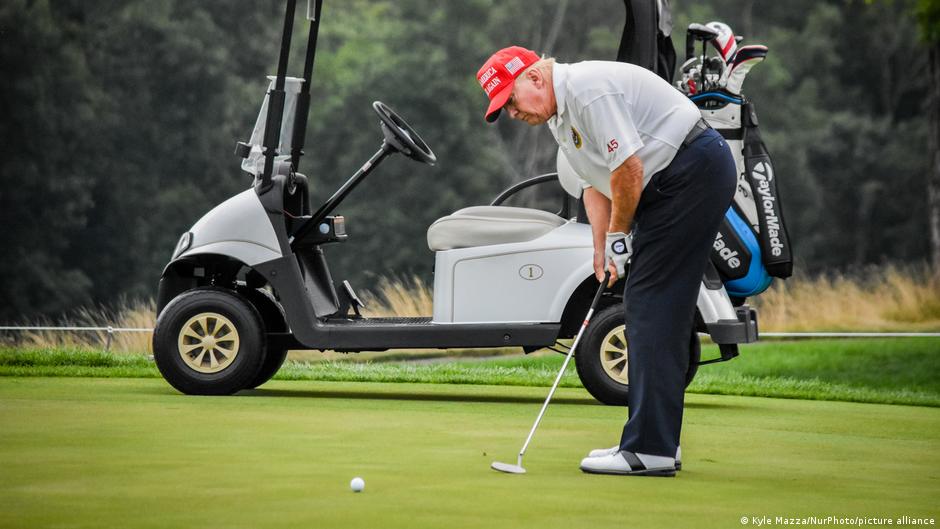
Over the past weekend, the North American Aerospace Defense Command (NORAD) deployed F-16 fighter jets to intercept two civilian aircraft that violated temporary flight restrictions (TFR) near the private golf club of former President Donald Trump in Bedminster, New Jersey.
Security Measures and Implications for US Airspace
The incident occurred on August 9, when two general aviation planes entered a restricted flight zone established to secure the airspace above the Trump National Golf Club, where Trump was reportedly present. NORAD safely escorted the aircraft out of the area without incident.
"Pilots of general aviation aircraft are advised to thoroughly check Notices to Airmen (NOTAMs) before each flight and strictly comply with TFR regulations," NORAD emphasized in its statement.
Temporary flight restrictions are commonly implemented to protect high-profile individuals and sensitive locations, but such violations underscore ongoing challenges in maintaining secure airspace, especially in densely populated regions like New Jersey. The identity of the aircraft and the number of fighters involved were not disclosed by the military, but reports suggest these incidents typically involve smaller private planes.
For American companies in aviation, aerospace, and defense sectors, these interceptions highlight the critical need for robust air traffic management technologies and compliance enforcement. The heightened security protocols can have ripple effects on regional air traffic, potentially impacting flight scheduling, operational costs, and regulatory compliance for US businesses operating in or around restricted zones.
Beyond aviation, the event draws attention to the complex intersection of politics, security, and business interests in areas frequently visited by former or current US political figures. For Washington policymakers and industry stakeholders, it reinforces the importance of balanced security measures that protect key individuals while minimizing disruptions to commercial and general aviation activity.
As the US continues to monitor and refine its aerospace defense strategies, incidents like these serve as reminders of the vigilance required to secure the nation's skies without compromising economic and operational efficiency.



