North Korea Conducts Multiple Missile Tests, Raising Concerns for US and Regional Security
Pyongyang's latest missile launches under Kim Jong Un highlight advanced capabilities, posing strategic challenges for Washington and American businesses.
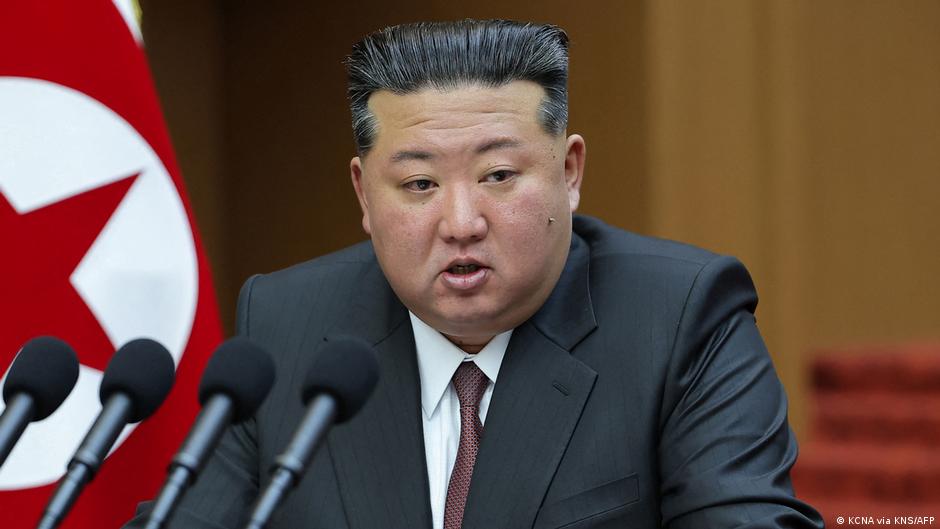
North Korea has conducted a series of missile tests, including tactical ballistic rockets, artillery rockets, and precision-guided cruise missiles, underscoring Pyongyang's efforts to modernize its military capabilities. These developments have significant implications for US national security and American companies engaged in East Asia.
Details of the Missile Tests and Strategic Implications
According to reports, the missile launches were executed under the direct supervision of North Korean leader Kim Jong Un. The tests, which occurred on May 26, were reported by Pyongyang's official news agency, emphasizing their role in the regime's five-year plan to upgrade its artillery and missile forces.
South Korean military sources observed several short-range ballistic missile launches and artillery rocket firings toward the Yellow Sea from the Chonju area in North Korea's North Pyongan province. The tests included highly precise cruise missiles equipped with multiple navigation systems, including terrain mapping and artificial intelligence-based guidance. These advanced systems enable the missiles to accurately target locations within a 100-kilometer radius, marking a significant enhancement in North Korea's strike capabilities close to the southern border.
Kim Jong Un expressed "great satisfaction" with the missile tests, declaring them a "clear signal" of military superiority and growing combat potential.
These developments pose potential challenges for US military operations and strategic planning in the Indo-Pacific region. Enhanced North Korean missile precision and deployment near the South Korean border increase risks for regional allies and complicate Washington's diplomatic and defense postures.
For American businesses, especially those with investments or supply chains in South Korea and neighboring markets, the escalating military tensions could disrupt economic stability. Heightened security risks may affect everything from technology manufacturing to logistics and trade, as companies assess geopolitical uncertainties that influence operational costs and market access.
Washington’s response to North Korea’s missile advancements will likely involve a recalibration of defense commitments and security partnerships in the region. This may translate into increased military presence, expanded missile defense systems, and diplomatic efforts to contain Pyongyang’s growing military prowess without escalating conflict.
Overall, North Korea’s latest missile tests underscore the persistent security challenges in East Asia, spotlighting the intersection between military developments and their broader economic and political impacts on the United States and its interests.



