Over 40 Nations Urge 24-Hour Notice for Ballistic Missile Tests to Enhance Global Security
More than 40 countries, including the US, call for prior notifications of ballistic missile launches to reduce risks and bolster trust amid rising tensions.
More than 40 countries worldwide, including the United States, South Korea, and Japan, have jointly called for mandatory advance notifications of ballistic missile tests, citing significant risks to peace and security posed by unannounced launches.
In a statement released on August 11, these nations urged countries conducting intercontinental ballistic missile (ICBM) tests, submarine-launched ballistic missile launches, and carrier rocket firings to provide at least 24 hours' prior notice. The appeal particularly emphasizes the responsibility of nuclear-armed states to adhere to such protocols.
Implications for International Security and US Interests
The statement underscores that implementing "orderly, transparent notification mechanisms" does not hinder any country's military development or operational needs but instead mitigates risks of miscalculations, strengthens mutual trust, and reflects a shared commitment to global security.
"Transparent missile test notifications reduce risks of miscalculations and build trust without limiting military capabilities," the joint declaration states.
Notifications are expected to include key details such as the missile class, launch area, and the planned flight path. Proper communication channels could prevent unintended escalations and enable better preparedness among nations.
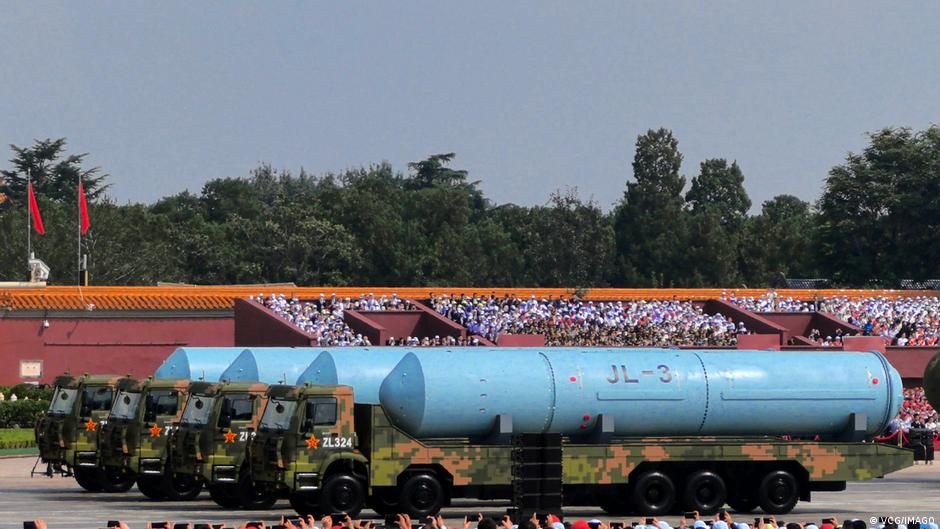
The call for transparency comes amid recent missile tests in the Pacific where notification standards were reportedly not met. While the statement does not explicitly name any country, it appears linked to an incident in early July when China conducted a strategic missile test from a nuclear submarine in the Pacific Ocean, informing only a few countries shortly before the launch.
Furthermore, North Korea continues to present challenges to regional security and US interests. On the night of August 12, according to South Korean and Japanese sources, North Korea launched at least one ballistic missile from its eastern coast near Wonsan, marking the eleventh such launch this year. The missile reportedly flew eastward, reaching an altitude of approximately 90 kilometers and traveling less than 700 kilometers before falling into the sea about ten minutes after launch.
South Korean military officials have announced increased surveillance and readiness to respond to potential further launches, reflecting heightened regional tensions.
Impact on US Businesses and the Broader Economy
These developments pose direct and indirect risks to American companies, particularly those with supply chains and operations in East Asia. Heightened regional tensions can disrupt trade routes, increase insurance and security costs, and create volatility in markets crucial to US economic interests.
Moreover, US defense contractors and technology firms stand to be affected by shifts in military procurement and policy priorities as Washington responds to missile threats. Enhanced missile testing notification protocols could foster greater stability, potentially reducing the need for abrupt escalations in defense spending and enabling more predictable business environments.
As the Biden administration continues to navigate complex security challenges with China and North Korea, US companies and investors closely monitor these geopolitical signals, which directly influence corporate risk assessments and strategic planning.