Poland Secures €44 Billion EU Loan for Defense Modernization Amid Political Disputes
Poland signs a major EU-backed defense loan agreement, raising implications for US defense firms and transatlantic security cooperation.
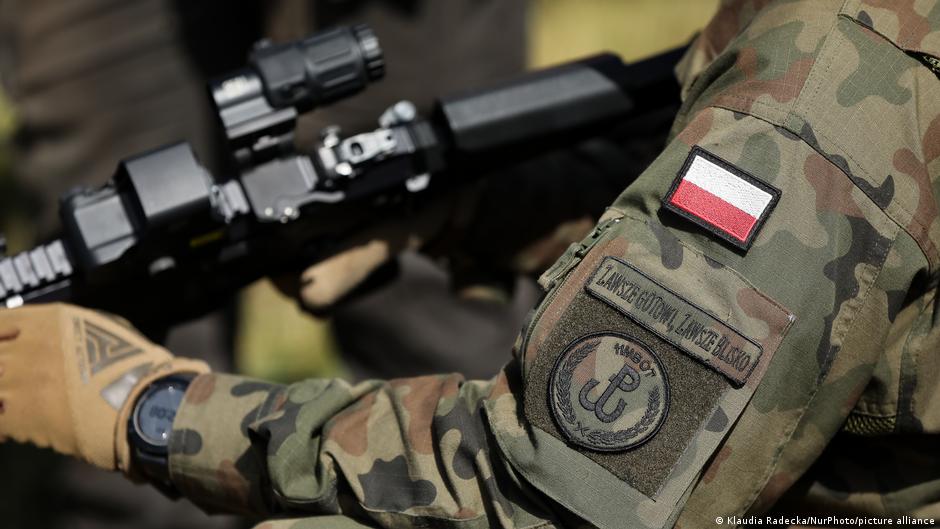
Poland has finalized a contentious agreement with the European Union to secure nearly €44 billion in loans aimed at modernizing its military capabilities. This deal marks Poland as the first EU member state to engage in the collective Security Action for Europe (SAFE) program, a €150 billion initiative designed to bolster defense across the bloc.
The agreement, signed on May 8, involves key figures including Poland's Defense Minister Władysław Kosiniak-Kamysz, Finance Minister Andrzej Domański, representatives from the National Economy Bank, and EU commissioners for defense and budget. Poland is set to receive approximately €43.7 billion, accounting for nearly a third of the entire SAFE budget.
Implications for American Defense Interests and Transatlantic Security
From a US business and political perspective, Poland's massive investment in defense modernization through EU financing presents both opportunities and challenges. American defense contractors, historically strong partners of Poland and NATO allies, face a shifting procurement environment influenced by European financing mechanisms and evolving defense collaboration frameworks.
"89% of the loaned funds are earmarked for Polish defense companies and their partners," stated former Prime Minister Donald Tusk, highlighting the domestic industrial focus of the program.
This prioritization of Polish industry could limit direct contract opportunities for US firms in the short term, but also suggests potential partnerships and sub-contracting roles as the modernization effort ramps up. Additionally, the SAFE program's inclusion of cyber security initiatives aligns with US strategic priorities, offering avenues for cooperation in emerging defense domains.
Poland is expected to receive an initial advance payment of €6.5 billion imminently, with plans to finalize about 40 contracts by the end of May. The government aims for defense companies to establish full production capabilities by 2030, reflecting a long-term commitment to regional security enhancement.
Loan disbursements under SAFE will be biannual, linked to Poland's progress reports to the European Commission, with a repayment grace period of ten years. This structured financing approach could influence Poland's budget planning and defense procurement cycles, affecting US companies' market strategies in Central Europe.
Political controversies have surrounded the deal. In March, Polish President Karol Nawrocki vetoed Poland's participation in SAFE, citing concerns over the loan's scale and projected repayment costs potentially reaching €41 billion in interest over 45 years. However, the government clarified that the veto restricts loan usage exclusively to military purposes, a constraint somewhat softened by subsequent government assurances extending funding to border guards, fire services, and police.
For Washington, this development underscores the evolving nature of European defense financing and procurement, which increasingly blends supranational mechanisms with national objectives. US policymakers and businesses must navigate this complex landscape carefully to maintain and expand their influence within NATO's eastern flank and the broader transatlantic defense market.
In summary, Poland’s engagement with the SAFE program represents a landmark shift in EU defense funding, with significant knock-on effects for American defense firms and transatlantic security partnerships.