EU Leaders Prepare for Potential Talks with Russia Amid Ongoing Ukraine Conflict
European Union coordinates internally on possible negotiations with Moscow, while US diplomatic efforts continue amid Middle East tensions.
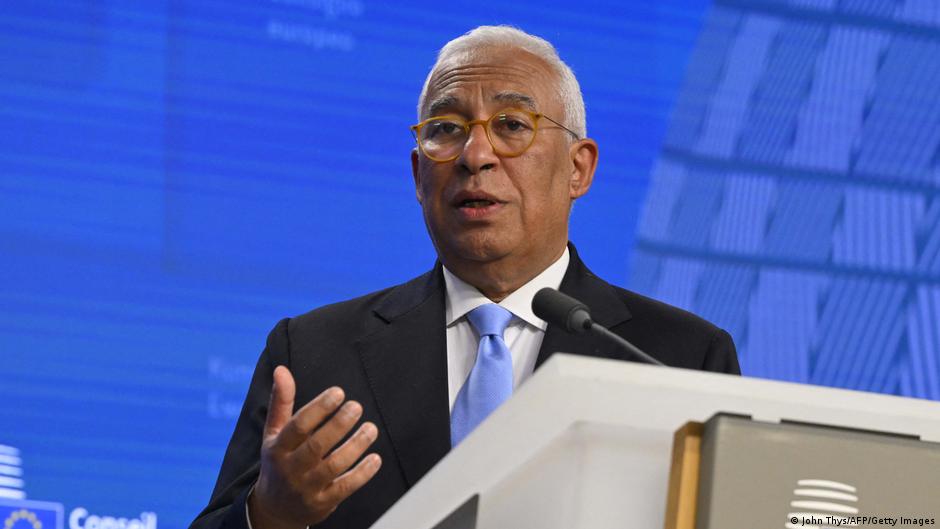
European Union leaders are actively preparing for possible negotiations with Russia, signaling a cautious but strategic approach amid the ongoing conflict in Ukraine. Charles Michel, President of the European Council, confirmed ongoing discussions with leaders from all 27 EU member states to organize a coherent strategy and identify key topics for future talks with Moscow.
European Coordination and Diplomatic Challenges
Speaking at the European University Institute in Florence, Michel emphasized the potential for dialogue but highlighted the current absence of clear indications from Russia regarding its readiness for serious negotiations. "There is potential for talks with President Putin," Michel said, "but so far, no one has seen signs of Russia’s willingness to engage effectively in meaningful discussions." He also clarified that the EU does not intend to obstruct any negotiations led by the United States.
"We are coordinating with all member states to prepare for discussions with Russia when the moment is right," Michel said.
At a recent EU summit in Cyprus, Ukrainian President Volodymyr Zelensky urged the bloc to be ready to contribute positively to any peace negotiations. Senior Ukrainian officials have echoed this call, advocating for tighter coordination at the European level. The EU could potentially lead negotiations on behalf of European interests, representing a united front in diplomacy.
The last substantive dialogue between the EU and Russia occurred in early February when French presidential advisors visited Moscow to discuss possible EU involvement in peace efforts. However, their proposals were reportedly rejected, with Kremlin sources indicating that Russia’s position remains conditional: constructive dialogue is only possible if the other parties are prepared to engage sincerely.
Further complications arose in March when reports surfaced of Russian aide Yuri Ushakov dismissing French proposals with harsh language, reflecting Moscow’s frustration with the lack of positive signals from Western interlocutors. Kremlin spokesperson Dmitry Peskov confirmed that the French delegation brought no encouraging messages, undermining prospects for progress.
US Diplomatic Efforts Impacted by Middle East Conflict
Meanwhile, the United States continues its diplomatic engagement related to the Ukraine crisis, albeit with disruptions due to escalating tensions in the Middle East. Special Envoy Stephen Biegun is scheduled to meet with Ukrainian National Security Council Secretary Rustem Umerov in Miami. These talks mark the first bilateral discussions between the two since late February, when the US and Israel entered into a conflict with Iran.
As a result, Biegun and Jared Kushner, former advisor to President Donald Trump involved in earlier Ukraine peace efforts, have shifted their focus toward negotiations with Tehran. This shift has delayed a planned trilateral meeting involving Russia, Ukraine, and the US, which was initially intended to advance peace talks.
Despite these challenges, Ukrainian presidential office head Kirill Budanov expressed cautious optimism about reaching a peace agreement with Russia. He noted that although both sides have maintained maximalist positions during negotiations, recent developments indicate a growing willingness to compromise, potentially accelerating the resolution process.
Implications for US Businesses and Policy
The potential resumption of EU-Russia negotiations carries significant implications for American businesses and policymakers. The prospect of diminished hostilities could stabilize energy markets, as Europe remains heavily reliant on Russian natural gas supplies. A coordinated diplomatic approach involving the EU, US, and Ukraine could also create a more predictable environment for transatlantic trade and investment.
However, the ongoing Middle East conflict complicates US foreign policy priorities, potentially diverting attention and resources from European security matters. For American companies, especially those operating in energy, defense, and manufacturing sectors, these geopolitical dynamics translate into heightened uncertainty affecting supply chains, risk assessments, and strategic planning.
Washington policymakers must balance support for Ukraine with broader regional stability concerns, including managing relations with Russia and Iran. Effective coordination with European allies will be crucial to shaping outcomes favorable to US economic and security interests.
In summary, while EU leaders prepare cautiously for possible talks with Russia, US diplomatic efforts are adapting to shifting global tensions. The interplay between these developments will significantly influence the geopolitical landscape and the operating environment for American businesses engaged in Europe and beyond.