US President Trump Delays EU Auto Tariff Hike Until July 4 Amid Trade Negotiations
Trump postpones 25% tariffs on European Union vehicles until July 4, pending EU compliance with a historic trade deal.
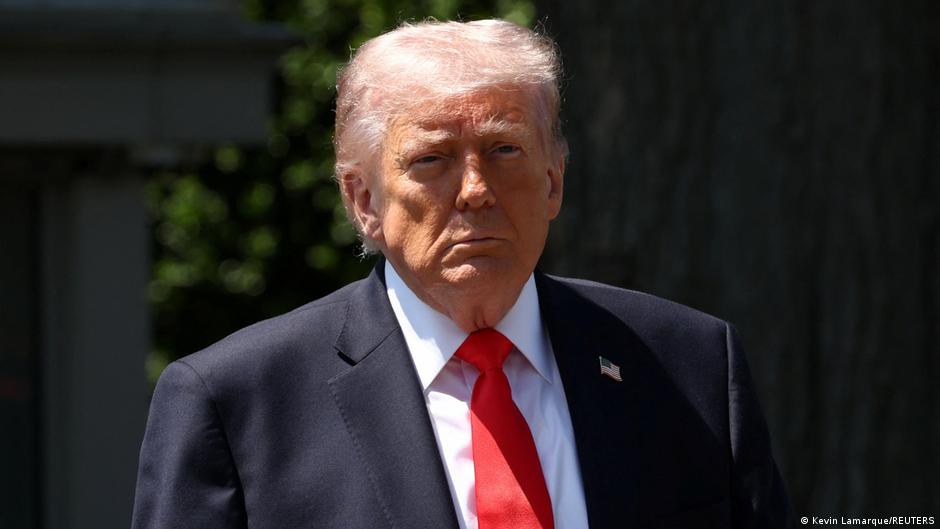
US President Donald Trump announced a delay in the implementation of increased tariffs on European Union (EU) automobile imports until July 4. This decision follows what Trump described as a "remarkable phone call" with European Commission President Ursula von der Leyen, signaling ongoing negotiations aimed at resolving trade disagreements between the two economic powers.
Background: Trade Agreement and Tariff Disputes
The planned tariff increase would raise duties on passenger and commercial vehicles imported from the EU to the US to 25%. Initially announced by Trump on May 1, the tariff hike was a response to what the administration characterized as the EU's failure to fully honor commitments under a historic trade agreement signed in September 2025.
This agreement aimed to reduce tariffs on European auto exports retroactively from 27.5% to 15%, while the EU committed to removing tariffs on a broad range of American industrial goods and expanding market access for US products such as seafood, dairy, pork, and soybean oil.
Despite these provisions, Trump claimed that the EU has not upheld its part of the deal, although specific violations were not detailed. In his announcement on the social media platform Truth Social, Trump emphasized his patience and willingness to delay tariff implementation until the US's 250th Independence Day celebration, stating:
"I have been patiently waiting for the EU to fulfill its side of the historic trade agreement struck in Turnberry, Scotland, the largest trade deal in history! They promised to reduce their tariffs to zero as agreed, and I have given them time until the country's 250th anniversary, otherwise, their tariffs will immediately jump to much higher levels."
EU Response and Future Prospects
Ursula von der Leyen echoed a positive tone after the phone conversation, reaffirming the EU's commitment to fully implementing the trade agreement. She noted good progress toward tariff reductions aimed for early July, indicating willingness on both sides to avoid escalating the dispute.
Earlier, following Trump’s May 1 announcement, von der Leyen had urged the US to respect the trade deal, underscoring that "a deal is a deal" and signaling the EU’s readiness for all possible scenarios.
Implications for US Businesses and Washington
The postponement of tariff hikes on EU automobiles offers temporary relief to American businesses reliant on European automotive imports and supply chains. Auto manufacturers and parts suppliers in the US, already navigating global supply challenges, may avoid immediate cost increases that could impact vehicle prices and competitiveness.
From a Washington perspective, this development reflects the complex balancing act in the Trump administration’s trade policy — leveraging tariffs as a strategic tool while maintaining channels for negotiation with key trading partners. The delay may also temper political and economic tensions ahead of the US Independence Day, providing additional time to de-escalate the trade conflict without immediate punitive measures.
However, uncertainty remains about the sustainability of the agreement and whether the EU will meet tariff reduction commitments to prevent future tariff hikes. The US government's willingness to impose significant tariffs underscores the high stakes involved, particularly for American consumers, auto dealers, and manufacturers who could be affected by cost fluctuations.