US and Iran Near Potential Deal Amid Positive Negotiations, Trump Signals
President Trump announces promising progress in US-Iran talks, with implications for sanctions and nuclear policy affecting American businesses.
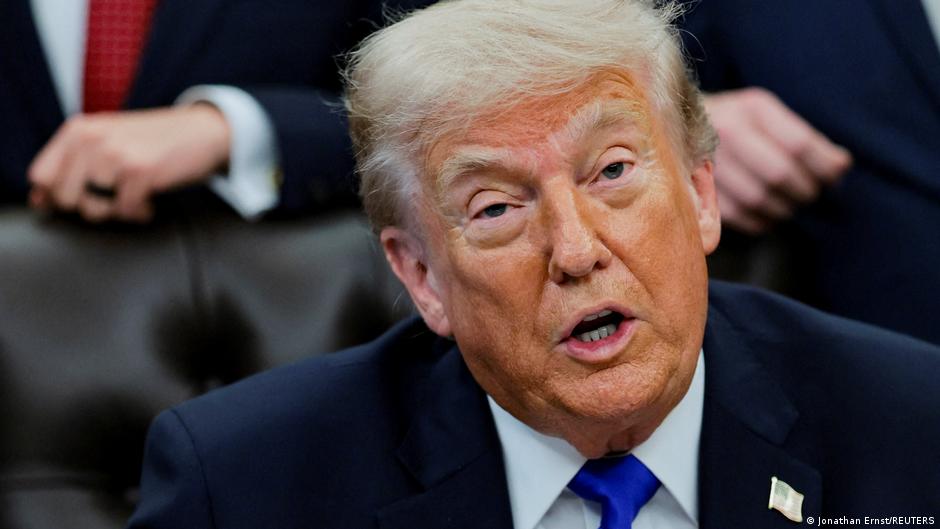
At a White House press conference on May 6, President Donald Trump declared that the United States has conducted "very good" negotiations with Iran, raising the possibility of an imminent agreement to end ongoing conflicts adversely impacting geopolitical stability and global markets.
Trump stated, "Right now, things are going well, and we are aiming to get what we need. If that doesn’t happen, we will have to take a bigger step. But they want to make a deal." This optimistic tone follows reports from Axios citing White House sources that the two countries are close to signing a "one-page memorandum of understanding," which would serve as a peace accord and lay groundwork for further negotiations.
Implications for US Businesses and Policy
The anticipated memorandum includes a 30-day window for follow-up talks addressing critical issues such as the security of the Strait of Hormuz, Iran's nuclear program, and US sanctions. The resolution of these matters holds significant implications for American businesses, particularly in oil and energy sectors sensitive to Middle Eastern geopolitical tensions.
Iran’s agreement to the US demand to halt nuclear weapons development marks a crucial concession that could ease longstanding uncertainties affecting markets and international trade. For US companies, particularly those involved in energy import and export, defense contracting, and multinational trade, a de-escalation of tensions could mean reduced risks and opportunities for renewed engagement in the region.
"If we don't get the deal, we will have to take a bigger step," Trump warned, underscoring the administration's readiness to pivot strategies based on negotiation outcomes.
While Iranian officials have yet to comment publicly, reports indicate Tehran is carefully reviewing the proposal and is expected to respond via Pakistan, which acts as an intermediary in these discussions. The involvement of a third-party mediator highlights the delicacy and complexity of the negotiations.
For Washington, securing a deal with Iran would represent a diplomatic victory with broad implications for national security and economic interests. It could allow the US to recalibrate sanctions policy, potentially easing restrictions that have affected global oil prices and supply chains relevant to US enterprises.
Moreover, a successful agreement may signal a shift in the US approach to Middle Eastern conflicts, possibly opening avenues for American businesses to re-enter previously restricted markets, fostering growth in sectors beyond energy, including infrastructure, technology, and manufacturing.
As the deadline for the memorandum signing approaches, US companies and policymakers alike are monitoring developments closely, aware that the outcome could reshape the investment landscape and strategic priorities for years to come.