US State Department Approves $373.6M JDAM-ER Sale to Ukraine to Enhance Bomb Accuracy
The approved sale of advanced JDAM-ER kits to Ukraine signals ongoing US military support amid operational challenges affecting American defense contractors.
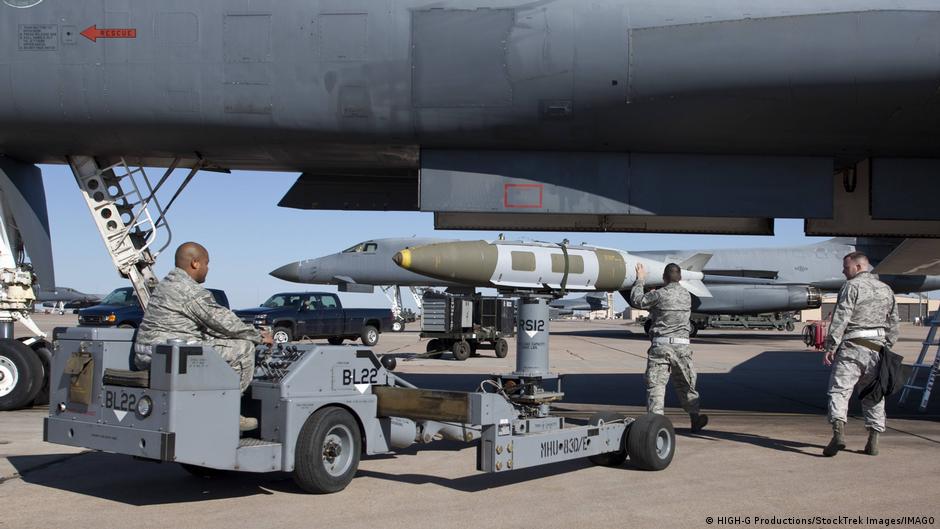
The US State Department has authorized a potential $373.6 million sale of Joint Direct Attack Munitions - Extended Range (JDAM-ER) kits to Ukraine, aimed at improving the range and precision of aerial bombs deployed by Kyiv. These aerodynamic tail kits increase the operational reach of bombs by approximately 70 to 80 kilometers.
Ukraine has formally requested 1,532 JDAM-ER kits, along with associated support equipment, spare parts, repair services, software updates, and logistics. Boeing, a major US defense contractor, is slated to be the primary supplier under this contract.
Strategic and Business Implications for Washington
While the State Department's approval is a critical step, it does not guarantee immediate delivery. The authorization permits the sale and export but requires a finalized contract and subsequent manufacturing before the kits are shipped to Ukraine.
"The sale underscores continued US commitment to enhancing Ukraine's military capabilities, while also sustaining the defense industrial base amid geopolitical tensions," analysts note.
US defense firms like Boeing stand to benefit significantly from this substantial contract, which not only reinforces existing supply chains but also injects new business amid a competitive global arms market. The delivery of JDAM-ER kits also has bottom-line implications as it supports the ongoing production lines and maintenance contracts that contribute to revenues and employment in the US defense sector.
Bloomberg reports that the initial batch of JDAM-ER kits was delivered to Ukraine in 2023 as part of a broader $1.85 billion military aid package approved during the first year of Russia's full-scale invasion. However, NBC News has highlighted operational challenges, noting that some kits malfunctioned in spring 2023, possibly due to incorrectly installed fuzes. An additional complication stems from Russian electronic warfare measures disrupting GPS signals, which are critical for the guidance systems of these munitions.
These technical setbacks emphasize the complexity and risks involved in supplying advanced precision-guided munitions in a contested environment. For Washington, this underscores the importance of continued investment in research, quality control, and support infrastructure to ensure effectiveness and reliability, which in turn affects the reputation and future contracts for American defense companies.
Overall, the approved sale reflects Washington's strategic balancing act: supporting Ukraine's defense capabilities while simultaneously advancing US economic interests through defense exports and sustaining industrial base vitality.



