Russia Launches Attacks on Ukraine Despite Proposed Ceasefire, Impacting Stability and US Interests
Russia continues military strikes in Ukraine despite Kyiv’s unilateral ceasefire offer, raising concerns for US businesses and geopolitical stability.
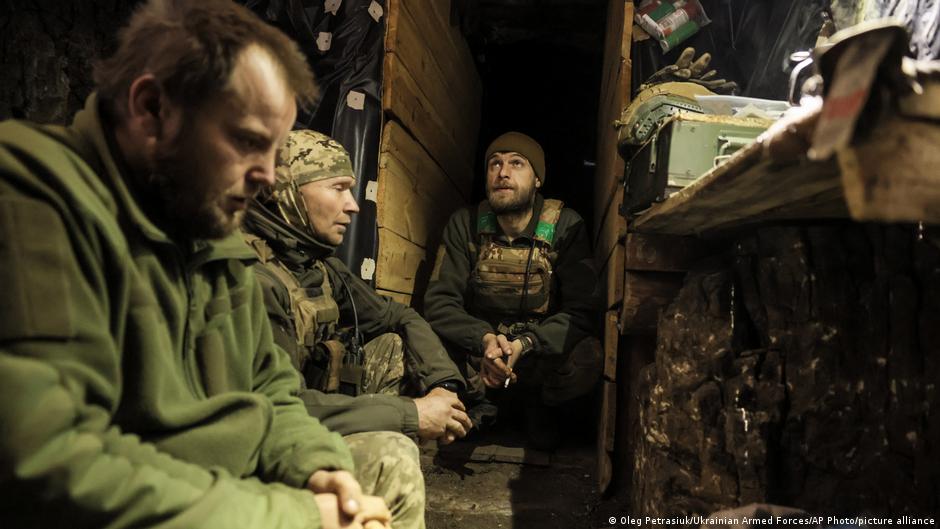
On the night of May 6, Ukraine initiated a unilateral ceasefire proposed by President Volodymyr Zelensky as an alternative to Russia’s announced temporary truce for May 8-9. Despite this gesture, Russian armed forces continued to attack several regions of Ukraine, undermining prospects for immediate peace and escalating regional instability.
Renewed Russian Military Actions Amid Ceasefire Efforts
The unilateral ceasefire proposed by Ukraine began at midnight on May 6. Zelensky offered this as a humanitarian measure to avoid further violence during the symbolic May Victory Day period, contrasting with Russia’s declaration of a limited ceasefire only for May 8 and 9. Nevertheless, Russian forces launched continued strikes on Ukrainian territories.
In the Zaporizhzhia region, a strategically important industrial site was targeted overnight, according to Ivan Fedorov, head of the local military administration. Ukrainian Air Force sources reported that Russian forces used cruise air bombs in this and other areas, including Kharkiv, Sumy, and Donetsk regions. Additionally, Russian drones were detected in Kharkiv and Dnipropetrovsk.
The Ukrainian government has yet to comment on the new attacks, but President Zelensky had previously warned that Kyiv would respond with reciprocal measures if the ceasefire was violated.
Geopolitical and Economic Implications for the United States
"Human life is an immeasurably greater value than the celebration of any anniversary," President Zelensky stressed in response to Russia’s ultimatum.
These ongoing hostilities threaten to prolong instability in Eastern Europe, with direct implications for American businesses operating in the region or dependent on global supply chains. The conflict continues to exacerbate energy market volatility, complicating efforts by US companies to navigate rising costs and disrupted trade flows.
The situation also presents a challenge for Washington’s geopolitical strategy. Russia’s decision to maintain an aggressive posture despite ceasefire overtures underlines Moscow’s willingness to leverage military force as a political tool, heightening tensions with NATO and complicating diplomatic efforts.
Earlier in the week, Russia announced a unilateral ceasefire on May 8-9 to coincide with Victory Day celebrations, with President Vladimir Putin warning of a "massive retaliatory missile strike" against Kyiv if Ukraine attempted to disrupt these commemorations. Zelensky rejected this ultimatum, emphasizing Ukraine’s readiness to cease fire earlier, contingent on reciprocal Russian action.
The conflict’s persistence threatens to delay normalization and reconstruction efforts in Ukraine, increasing risks for American companies considering investment or partnerships in the region. Prolonged instability may also impact US defense support commitments and require recalibration of aid programs.
Recent Developments and Continuing Risks
On May 5, Russian forces conducted heavy strikes on Dnipro, Zaporizhzhia, and Kramatorsk, causing over 20 civilian deaths. Meanwhile, in the annexed Crimea region, Russian-installed official Sergey Aksyonov reported civilian casualties following what was described as a Ukrainian drone attack on the city of Dzhankoi.
The Ukrainian government has remained silent on the Crimea incident, reflecting the broader ambiguity and complexity of frontline developments.
The conflict’s unpredictability underscores the challenges facing US policymakers and businesses alike, with ongoing violence impeding progress toward stability and economic recovery.