Ukraine’s Security Service Reports Extensive Strikes on Russian Military and Energy Targets
Ukraine’s 40-day operation targeted over 100 strategic sites in Russia, impacting key military and energy infrastructure.
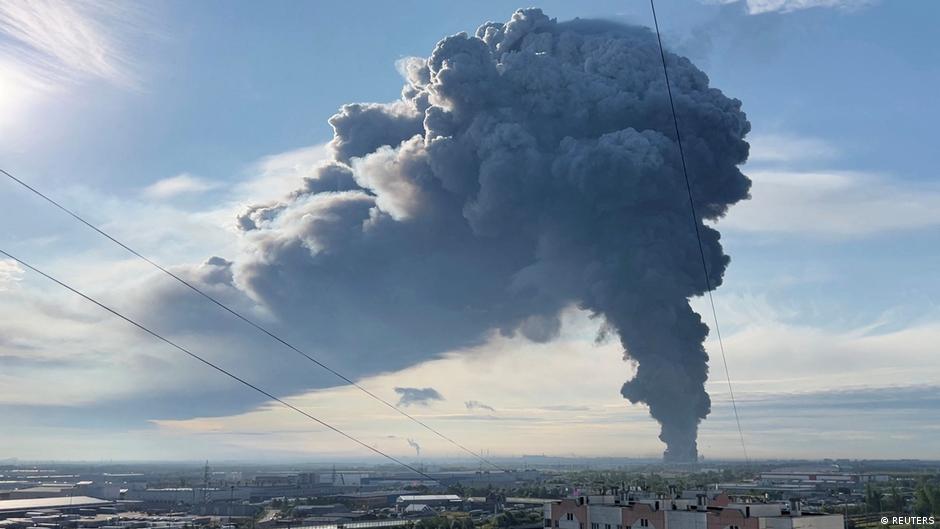
Ukraine’s Security Service (SBU) has reported a significant campaign targeting more than 100 strategic facilities across Russia and occupied Ukrainian territories. Over a 40-day period, the operation struck upwards of 21,000 frontline targets, marking an intensification of Ukraine’s efforts to pressure Russia into ceasing hostilities.
Widespread Impact on Russia’s Military and Energy Capabilities
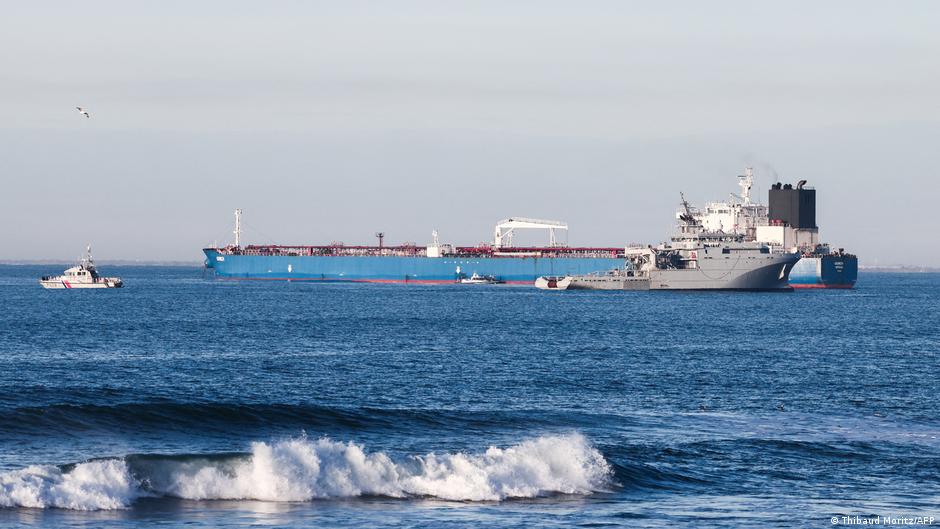
The SBU disclosed on August 4 that since the operation’s approval by President Volodymyr Zelensky on June 25, Ukrainian forces have successfully hit a broad range of assets. These included military-industrial enterprises, airbases, air defense systems, command centers, naval vessels, and oil refineries. Specifically, the campaign has targeted Russian Navy ships and tankers associated with the so-called "shadow fleet," as well as transportation and military logistics infrastructure critical to sustaining Russia’s war effort.
“The 40-day campaign was aimed at simultaneously weakening key elements of the Russian military machine,” the SBU statement noted, emphasizing continued efforts to degrade Russia’s military-economic potential.
According to the SBU, more than 21,000 units of military equipment and weaponry have been destroyed or disabled, and approximately 5,000 Russian military personnel have been killed. A key focus has been Russia’s fuel and energy infrastructure: Ukrainian forces attacked 14 oil refineries along with numerous oil depots, tank farms, pumping stations, terminals, and even an offshore oil platform.
Additionally, tanker vessels such as the Blue, Louise 1, Banda, and Avero, alongside two cargo ships under international sanctions, were targeted during the operation. These attacks aim to disrupt Russia’s fuel supply chains, which are vital both for military logistics and broader economic stability.
Implications for US Business and Policy
This campaign’s scale and strategic focus have important implications for Washington and American companies. The degradation of Russian military and energy infrastructure could accelerate shifts in global energy markets, affecting oil prices and supply chains that are closely watched by US businesses and policymakers. With energy security a key priority for the US, the weakening of Russian fuel exports may influence American energy markets and geopolitical calculations.
Moreover, the operation reflects Ukraine’s evolving military capabilities and strategic posture, supported by US aid and intelligence. This development could shape ongoing US defense assistance decisions and diplomatic efforts aimed at ending the conflict. For US companies with interests in global energy, defense, and logistics sectors, these strikes highlight the complex interplay between ongoing hostilities and international market stability.
President Zelensky has since endorsed further operations, coordinating with acting SBU chief Major General Oleksandr Poklad, signaling a sustained campaign to pressure Russia toward peace. This ongoing dynamic will remain a critical factor in Washington’s policy frameworks and corporate risk assessments linked to the Russian-Ukrainian conflict.