Russian Missile Strikes on Kyiv and Surrounding Regions Raise Concerns for US Defense Support
Renewed Russian ballistic missile attacks on Kyiv intensify pressure on Ukraine’s air defenses amid Patriot missile shortages.
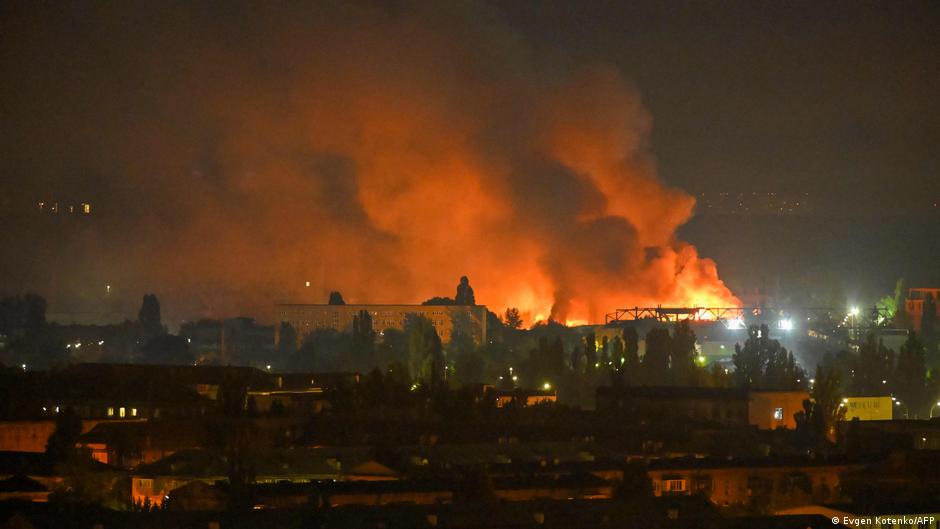
On the night of August 5, Russian forces launched a series of ballistic missile attacks targeting Kyiv and neighboring regions, resulting in casualties and significant damage. The attacks highlight growing challenges for Ukraine’s air defense systems, particularly due to a shortage of US-supplied Patriot missiles that are critical for intercepting incoming ballistic threats.
Impact of the Strikes and Regional Damage
According to Kyiv city authorities, the missile assault caused fires in various districts including Obolonsky, Desnyansky, and Holosiivsky, as well as damage to non-residential buildings. In the Holosiivsky district, a private residential home was destroyed, with concerns that individuals may still be trapped under the rubble. Kyiv Mayor Vitali Klitschko reported at least one fatality and a dozen injured in the city, with emergency services confirming a total of 15 people affected.
The Kyiv regional military administration reported damage across the Bucha, Brovary, and Fastiv districts. Specifically, one death was confirmed in Bucha, alongside 21 civilians injured throughout the region. Brovary district saw 13 wounded individuals, Fastiv had three injured, and an additional five casualties were reported in Bucha.
Fire outbreaks were also documented in Brovary at various logistics centers, warehouses, manufacturing sites, and commercial properties. Bucha’s logistics complexes were hit, while an industrial facility in Fastiv caught fire. These attacks disrupt both civilian infrastructure and commercial enterprises, impacting the local economic environment.
Broader Military Context and US Defense Implications
Beyond Kyiv, Ukraine’s Air Force reported missile and drone strikes overnight targeting regions including Odessa, Zaporizhzhia, Dnipropetrovsk, Kharkiv, and Mykolaiv. Russian forces have consistently employed a combination of ballistic missiles and unmanned aerial vehicles since the full-scale invasion began.
On August 4 alone, Ukrainian forces detected an Iskander-M ballistic missile launched from Russia’s Rostov region along with 136 armed drones, though they were unable to intercept the ballistic missile. This indicates a sustained and evolving missile threat that strains Ukraine's air defense capabilities.
"The increasing frequency and sophistication of these missile strikes underscore Ukraine’s urgent need for more Patriot missile systems from the US," noted defense analysts. "Without bolstered air defense supply, US companies involved in missile production and defense contracting may see increased demand but also face escalated geopolitical risks."
Ukrainian President Volodymyr Zelensky has publicly cited the shortage of Patriot missiles as a critical factor limiting effective defense against Russian ballistic attacks. These American-made surface-to-air missile systems remain a linchpin in Ukraine's efforts to safeguard its airspace, and shortages compromise both military effectiveness and civilian safety.
Implications for US Businesses and Policy
The recent missile barrage adds pressure on Washington to expedite and potentially expand military aid packages, including the delivery of additional Patriot missile batteries. This increased demand could benefit US defense manufacturers like Raytheon Technologies and Lockheed Martin, which produce these systems, boosting revenues and production activity.
However, heightened US involvement also raises geopolitical stakes, requiring careful navigation of congressional and public support for continued aid amid inflationary and budgetary constraints. US policymakers must balance strategic objectives with domestic economic considerations, as the conflict increasingly impacts supply chains and defense sector priorities.
Furthermore, disruptions to logistics hubs and industrial sites in Ukraine due to missile strikes could affect imports and exports relevant to US businesses with commercial ties to the region. As the conflict continues, American companies operating in defense, logistics, and related sectors will need to assess risks and adapt strategies accordingly.
Overall, the intensified missile campaign by Russia against Ukraine underscores the crucial role of US defense support and the complex economic and political considerations Washington faces in sustaining aid while managing the broader implications for American businesses and international security.