Russia Approves Sale of Lower-Grade Fuels Until 2027 Amid Energy Crisis Impacting US Interests
Moscow's decision to extend lower environmental standard fuel sales reflects crisis-driven policy with implications for American energy firms and supply chains.
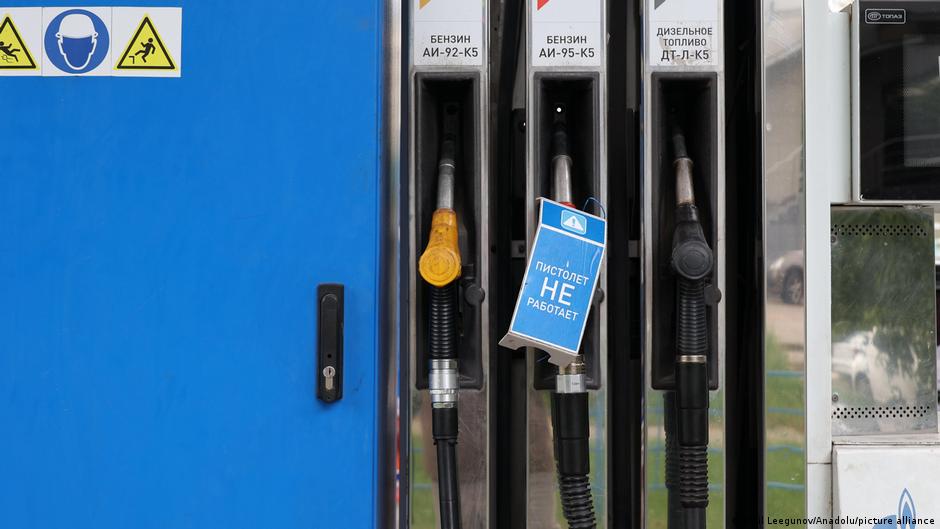
The Russian government has authorized the continued production and sale of lower environmental standard fuels, known as "Euro-2," "Euro-3," and "Euro-4," until July 2027. This policy move, described by Russia's Ministry of Energy as a "temporary" and "anti-crisis" measure, underscores the severity of ongoing disruptions in the country's fuel supply chain.
Context of the Russian Fuel Policy Shift
The decision permits the sale of gasoline with reduced ecological classes K2 to K4 through mid-2027, reversing a previous regulation that allowed the use of higher sulfur K5 grade gasoline only until the end of 2026. The Ministry of Energy has mandated clear on-site labeling of fuel environmental classes at gas stations to inform consumers.
This strategy aims to balance fuel quality standards with the imperative to maintain availability amid declining refining capacity and logistical challenges. Officials emphasized that the measure is part of a broader set of anti-crisis efforts to mitigate fuel shortages.
"The decision is temporary and is designed to ensure fuel availability while maintaining a necessary balance with quality standards," stated the Ministry of Energy.
The catalyst behind this policy is the intensifying fuel crisis in Russia, primarily caused by systematic strikes by Ukrainian armed forces against key oil refineries and energy infrastructure. Notably, the Moscow-based Kapotnya refinery—responsible for supplying approximately 40% of the capital's fuel—sustained two damaging attacks within a single week, rendering it inoperative until late 2026 or early 2027.
According to data from Reuters, Russian gasoline production in June 2026 fell by 25% compared to the same month in 2025, declining to 85,000 tons per day against a summer demand averaging 110,000 tons daily. These constraints have led to official fuel sale restrictions in over 40 Russian regions.
Implications for US Businesses and Energy Markets
The extension of lower-grade fuel sales signals a significant disruption in the Russian energy sector that bears multifaceted implications for American companies engaged in global oil and gas markets. The shift to fuels with lower environmental standards enables the use of crude oil with minimal refining, activating facilities unable to produce higher-standard fuels, thereby simplifying production but also potentially compromising fuel quality and safety for modern vehicles.
Industry experts like Dmitry Prokofiev, Communications Director at NEFT Research, estimate that this move might increase gasoline output by hundreds of thousands of tons monthly but is unlikely to fully offset the shortfall caused by refinery outages.
For US energy firms, the ramifications include potential instability in global oil pricing due to disrupted Russian supply chains, challenges in meeting environmental and quality standards, and risks to American automotive companies relying on consistent fuel quality abroad. Additionally, companies involved in fuel technology and infrastructure may encounter shifting market dynamics as Russia adapts its production capabilities.
Moreover, the extended use of lower-grade fuels in Russia may influence geopolitical calculations in Washington concerning energy security and sanctions enforcement, highlighting the complexity of the energy landscape amid ongoing regional conflicts.