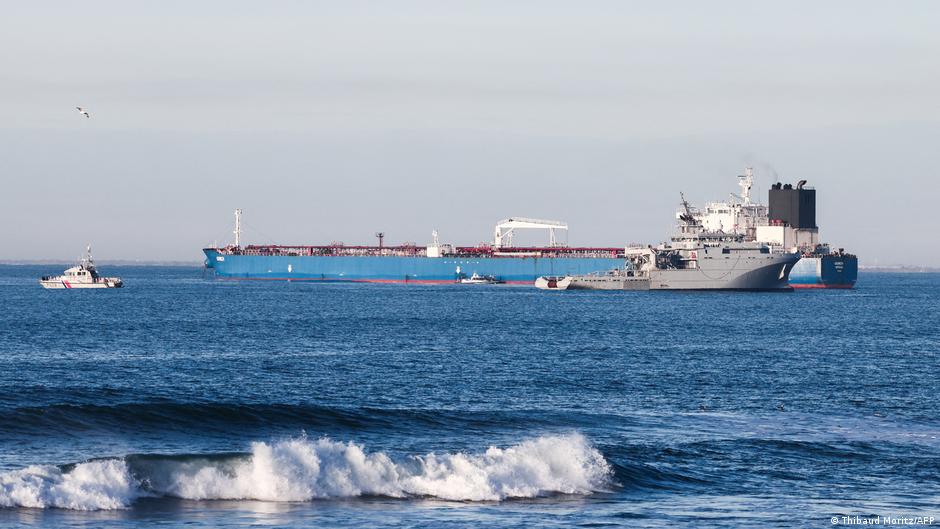
Global Oil Reserves Decline at Record Rates Amid Middle East Conflict and Supply Risks
World oil inventories fell by 200 million barrels in April despite reduced demand, raising concerns for US energy markets and businesses.
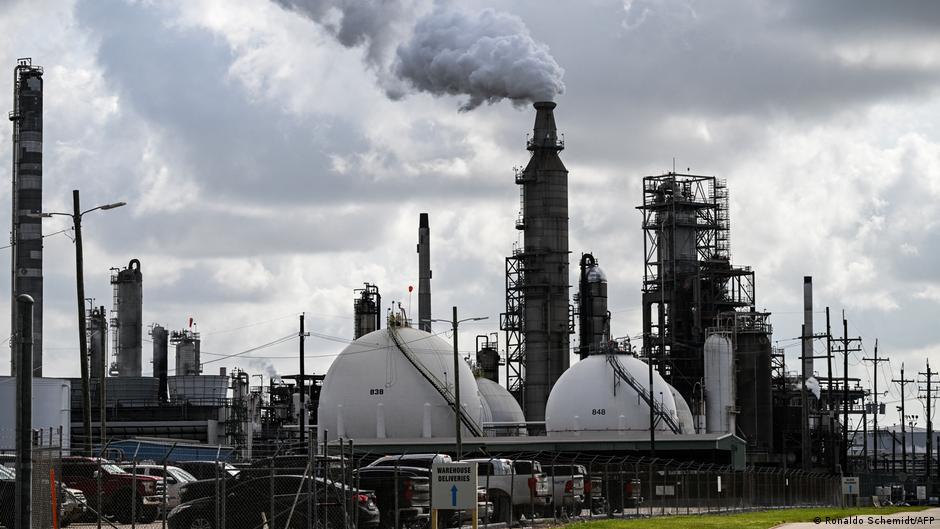
Global oil reserves have experienced an unprecedented decline, dropping by a record 200 million barrels in April, according to recent analyses by S&P Global Energy and Goldman Sachs. This sharp decrease comes despite a notable fall in demand, primarily driven by rising crude prices tied to geopolitical tensions in the Middle East, particularly the ongoing conflict involving the US, Israel, and Iran.
Implications for US Energy Markets and Business
The conflict in the Middle East, alongside blockades such as those affecting the Strait of Hormuz, has resulted in approximately one billion barrels of oil being withheld from global markets. While much of the immediate impact has been felt in Asian markets, US fuel inventories are also under pressure, with gasoline stockpiles projected to reach historic lows during the peak summer travel season.
Financial Times reported that despite a 5 million barrels per day drop in oil demand—the second largest decline in recorded history, only surpassed by the COVID-19 pandemic—oil inventories still contracted by 6.6 million barrels daily in April. This suggests a tightening supply situation that American businesses reliant on stable energy prices and availability must monitor closely.
Jim Burckhardt, head of oil market research at S&P Global Energy, highlighted the scale of the inventory reduction, noting, "This is a massive scale, well beyond the usual range." He warned that the market has yet to fully respond to the rapid inventory drawdown, indicating that oil price increases are likely still ahead.
"The market has not yet reacted to the record pace of inventory declines, so further oil price growth is expected," said Jim Burckhardt.
From a business perspective, higher oil prices can translate into increased operational costs for US companies, especially those in transportation, manufacturing, and logistics sectors. Energy price volatility also adds uncertainty to financial planning and can impact profit margins. Moreover, disrupted supply chains and fuel shortages risk hampering economic activity during a critical period.
Global oil reserves currently stand at approximately 4 billion barrels. However, much of this volume is tied up in routine operations essential for refinery and pipeline functions, limiting the actual buffer available to counteract supply shocks. Traders warn that inventories are approaching a critical threshold that could be reached within weeks if current trends persist.
For American policymakers and business leaders, these developments underscore the importance of strategic energy reserves management and the need to diversify energy sources to mitigate geopolitical risks. Additionally, US companies may need to reassess supply chain resilience and cost structures in anticipation of potentially sustained higher oil prices.
In summary, the ongoing Middle East conflict has accelerated a steep global drawdown in oil inventories, posing challenges to US energy security and economic stability. The coming weeks will be critical in determining the market’s trajectory and the broader economic impact on American businesses.