Renewed Iranian Missile and Drone Attacks on UAE Raise Concerns for US Business Interests
Iran's first attacks on UAE since US-Iran truce heighten regional tensions, threatening Gulf security and American economic stakes.
The United Arab Emirates (UAE) has reported a resumption of missile and drone strikes by Iran, marking the first such attacks since a ceasefire was agreed upon between Washington and Tehran in early April. This escalation threatens to destabilize the Gulf region, where US businesses have significant investments, and raises concerns over the security of vital energy infrastructure and maritime trade routes.
Details of the Attack and Immediate Reactions
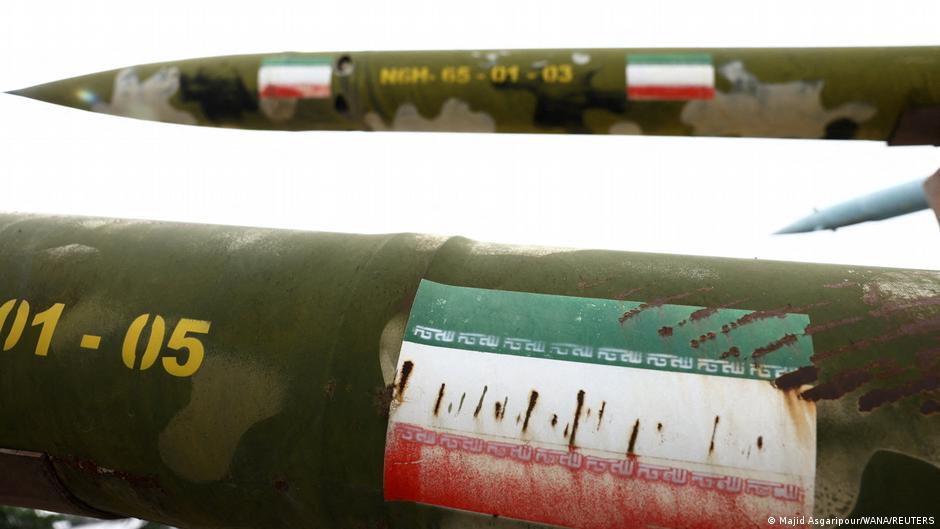
On May 4, UAE air defenses intercepted 19 projectiles launched from Iranian territory, including 12 ballistic missiles, 3 cruise missiles, and 4 drones, according to the UAE Ministry of Defense. The strikes targeted areas near the El-Fujairah oil complex, causing a fire attributed to a drone impact. Three Indian nationals sustained injuries and were hospitalized. As a precaution, schools in the UAE shifted to online learning from May 5 to 8.
The UAE government condemned the attacks as a "dangerous escalation" and asserted its "full and legitimate right to respond to these aggressions." Meanwhile, Iranian state media cited a senior military official denying any plans to attack the UAE, underscoring conflicting narratives.
Neighboring Oman also reported damage from a strike near its border with the UAE, where two expatriate workers were injured and a residential building was damaged.
"The UAE leaves itself the full and legal right to respond to these attacks," stated the UAE Ministry of Foreign Affairs.
Strategic Implications for US Interests and Regional Security
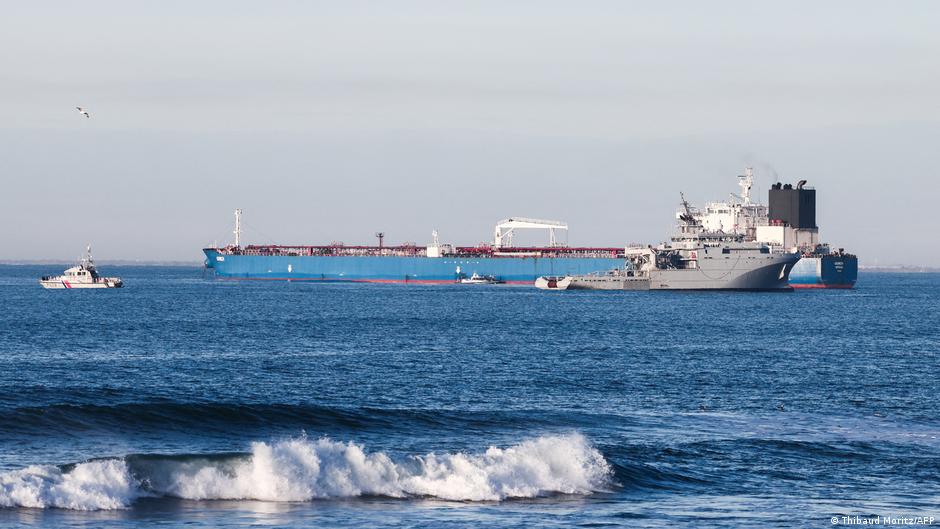
These developments come amid heightened tensions in the Strait of Hormuz, a critical chokepoint through which a sizable portion of the world’s oil supply flows, much of it destined for American and global markets. Former President Donald Trump highlighted additional Iranian strikes, including attacks on a South Korean vessel in the Strait. He claimed that American forces had destroyed seven Iranian boats, signaling ongoing US military readiness.
The Biden administration recently announced "Project Freedom," an initiative to escort commercial ships navigating the Strait of Hormuz to safeguard maritime passage. Tehran has condemned this as a violation of the ceasefire implemented on April 8, warning against further interference.
Germany’s Chancellor Friedrich Merz expressed solidarity with the UAE and condemned Iran’s actions. He called on Tehran to return to negotiations and cease using the region as leverage. Merz emphasized the imperative to end any blockade of the Strait of Hormuz and prevent Iran's advancement toward nuclear weapons capabilities.
Potential Impact on US Businesses and Policy Outlook
The renewed Iranian attacks jeopardize the stability of the Gulf region, which is crucial for US energy security and international trade. American companies operating in the UAE and surrounding states face increased risks from supply chain disruptions and heightened security costs. Moreover, continued instability may prompt Washington to reassess its diplomatic and military posture in the Middle East, balancing deterrence with efforts to de-escalate conflict.
As tensions persist, US policymakers and business leaders alike will monitor developments closely, recognizing that Gulf security directly influences global energy markets and economic stability.