US Implements Permanent Visa Bond for Citizens of 50 Countries, Excluding Russia
The US State Department introduces a permanent visa bond up to $20,000 for citizens of 50 countries to curb visa violations, affecting business and tourism travel.
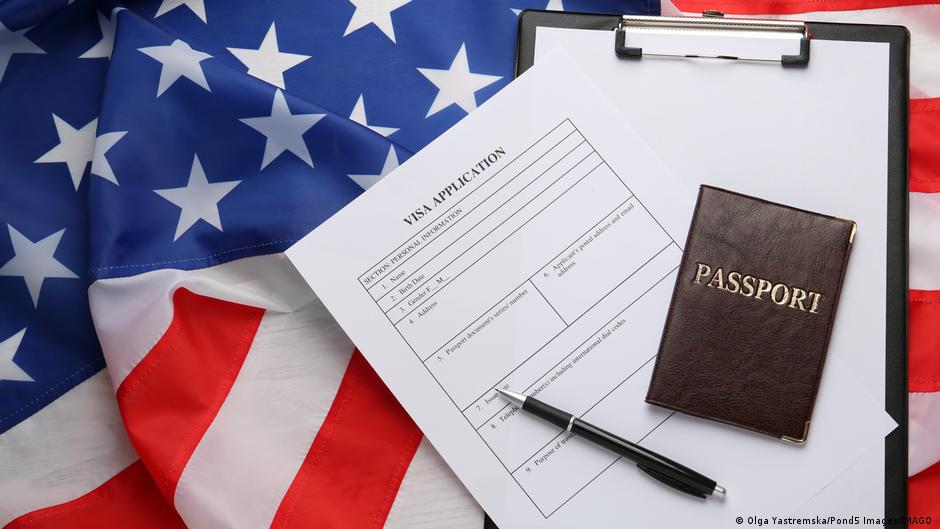
The US State Department announced it will establish a permanent visa bond requirement for citizens of 50 countries, effective August 3. This policy, which follows a successful pilot program, mandates applicants for B-1/B-2 business and tourist visas to post a bond of up to $20,000.
Targeted Nations and Policy Rationale
The list of countries spans regions including Africa, Southeast Asia, and Latin America, with notable inclusions such as Georgia, Kyrgyzstan, Tajikistan, Turkmenistan, Algeria, Angola, Bangladesh, Cambodia, Central African Republic, Mongolia, Nepal, Nicaragua, Tunisia, Uganda, Venezuela, and Zimbabwe. Russia is notably absent from this list.
The State Department explained that the bond policy targets nations with higher incidences of visa misuse and overstays. The bond acts as a financial guarantee ensuring compliance with visa terms, aimed at reducing illegal stays and improper use of visas.
"The bond will be refunded if the visa holder departs the US within the authorized period, does not use the visa, or is denied entry. Conversely, the bond will be forfeited if the individual violates terms of stay," the announcement stated.
Implications for US Businesses and Travelers
Since the pilot began, bonds ranged from $5,000 to $15,000; under the new permanent scheme, the minimum threshold is removed and the maximum increased to $20,000. The pilot demonstrated positive results, with a significant drop in overstays and visa misuse.
"In the 2024 fiscal year, nearly 45,500 overstay instances were recorded among citizens from the designated countries, but only fewer than 50 such cases occurred during the ten months of the pilot program," according to government data.
However, the bond requirement has led to an 83% reduction in visas issued to these countries during the pilot phase, affecting travel and business connections.
For US companies, particularly those engaged in international trade and investment, this policy presents both challenges and opportunities. The bond may deter potential business visitors and tourists from affected countries, potentially limiting market access and partnership opportunities in regions previously seeing strong ties with American firms.
The policy also signals Washington's heightened focus on immigration compliance, which may influence diplomatic and economic relations. Businesses reliant on international travel should monitor the evolving visa landscape closely to manage risks related to cross-border operations.
Looking Ahead
The State Department’s move to make the visa bond permanent reflects a strategic effort to tighten control over visa compliance without outright bans or sanctions on countries. For US policymakers and business leaders, balancing security concerns with economic openness remains a complex equation.
As this policy takes full effect, careful attention will be needed to assess its long-term impact on bilateral business activities and US global engagement strategies.